


The U.S. Supreme Court ruled on Monday that President Donald Trump cannot unilaterally remove a member of the Federal Reserve’s Board of Governors. In a 5-4 decision, the court upheld an injunction allowing Lisa Cook to remain in her position while her legal challenge against the administration proceeds. Chief Justice John Roberts, writing for the majority, emphasized that the Federal Reserve’s “for-cause” protection is essential to maintaining the institution’s independence from political interference.
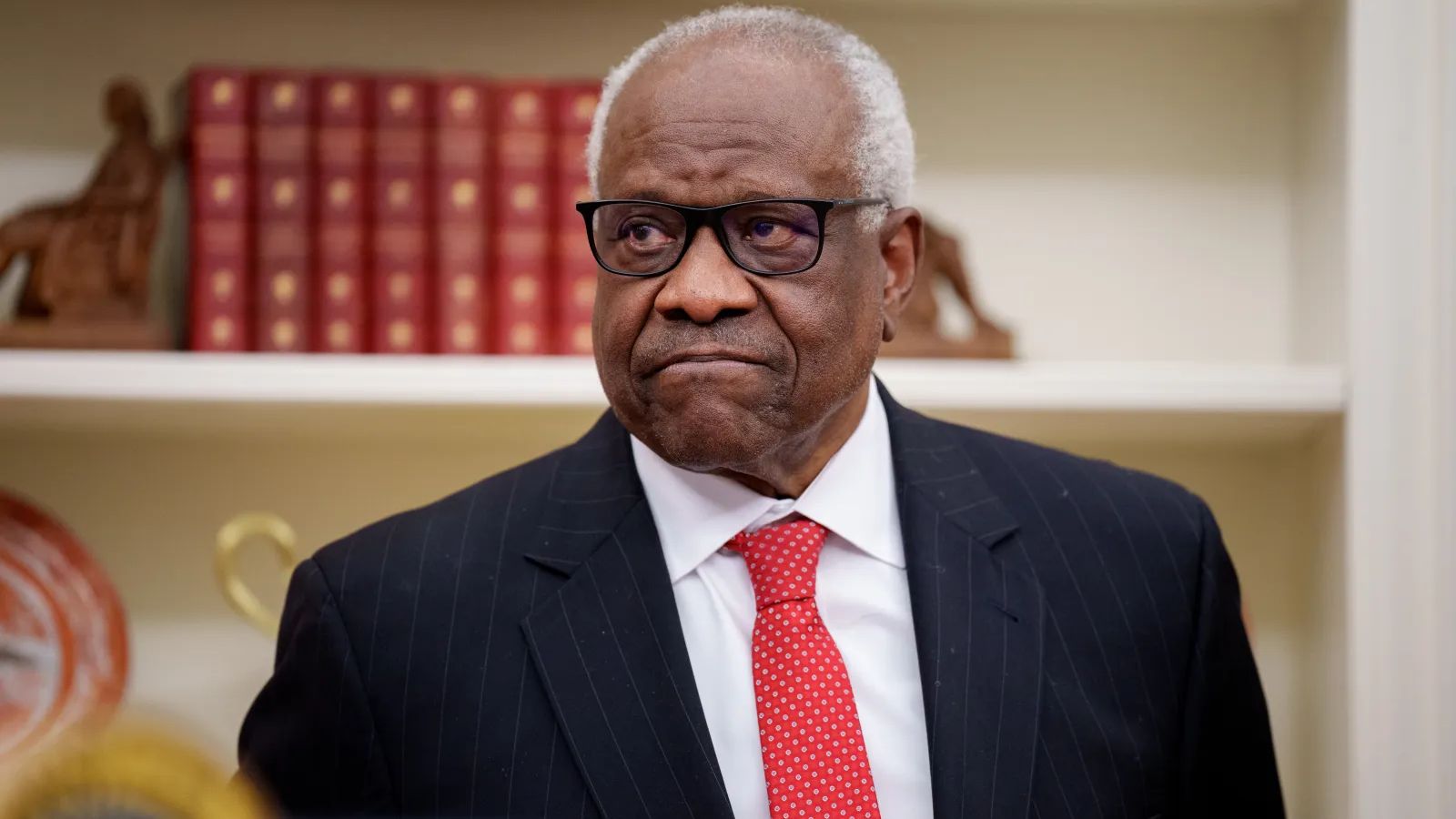
Chief Justice Roberts was joined by Justices Sonia Sotomayor, Elena Kagan, Brett Kavanaugh, and Ketanji Brown Jackson. The majority opinion rejected the administration’s claim that it could bypass procedural protections, noting that such an action would effectively transform the Fed’s structure into at-will employment. Justice Clarence Thomas, in his dissent, argued the ruling was “incorrect,” asserting that the court’s intervention into the President’s removal power lacks historical constitutional precedent.
Separately, Justice Thomas signaled a continued push to revisit the landmark 1964 case New York Times Co. v. Sullivan. In a dissent joined by Justice Neil Gorsuch regarding the court’s refusal to hear Alan Dershowitz’s $300 million defamation suit against CNN, Thomas reiterated his long-standing criticism of the “actual malice” standard. The court’s decision to decline the case leaves current defamation protections for the press intact, despite growing calls from conservative jurists to re-examine the historical standards for public figures.
Analysis: The Jurisprudential Divide
The dual developments highlight a deepening ideological rift within the Supreme Court. The Fed ruling underscores a pragmatic, institutionalist approach favored by the Chief Justice, who sought to avoid a constitutional crisis regarding the executive branch’s authority over independent agencies. By focusing on the narrow procedural failures of the Trump administration, the Court effectively preserved the status quo without issuing a sweeping ruling on the nature of presidential removal power.
Conversely, Justice Thomas’s focus on the Sullivan standard represents a more radical interpretive shift. By explicitly calling for the court to reconsider a 62-year-old precedent, Thomas is signaling a desire to fundamentally alter the legal landscape governing media accountability and public discourse. While the court has thus far resisted overturning the actual malice standard, the recurring dissents from Thomas and Gorsuch indicate that the court’s right wing remains committed to a long-term strategy of revisiting established First Amendment jurisprudence.