


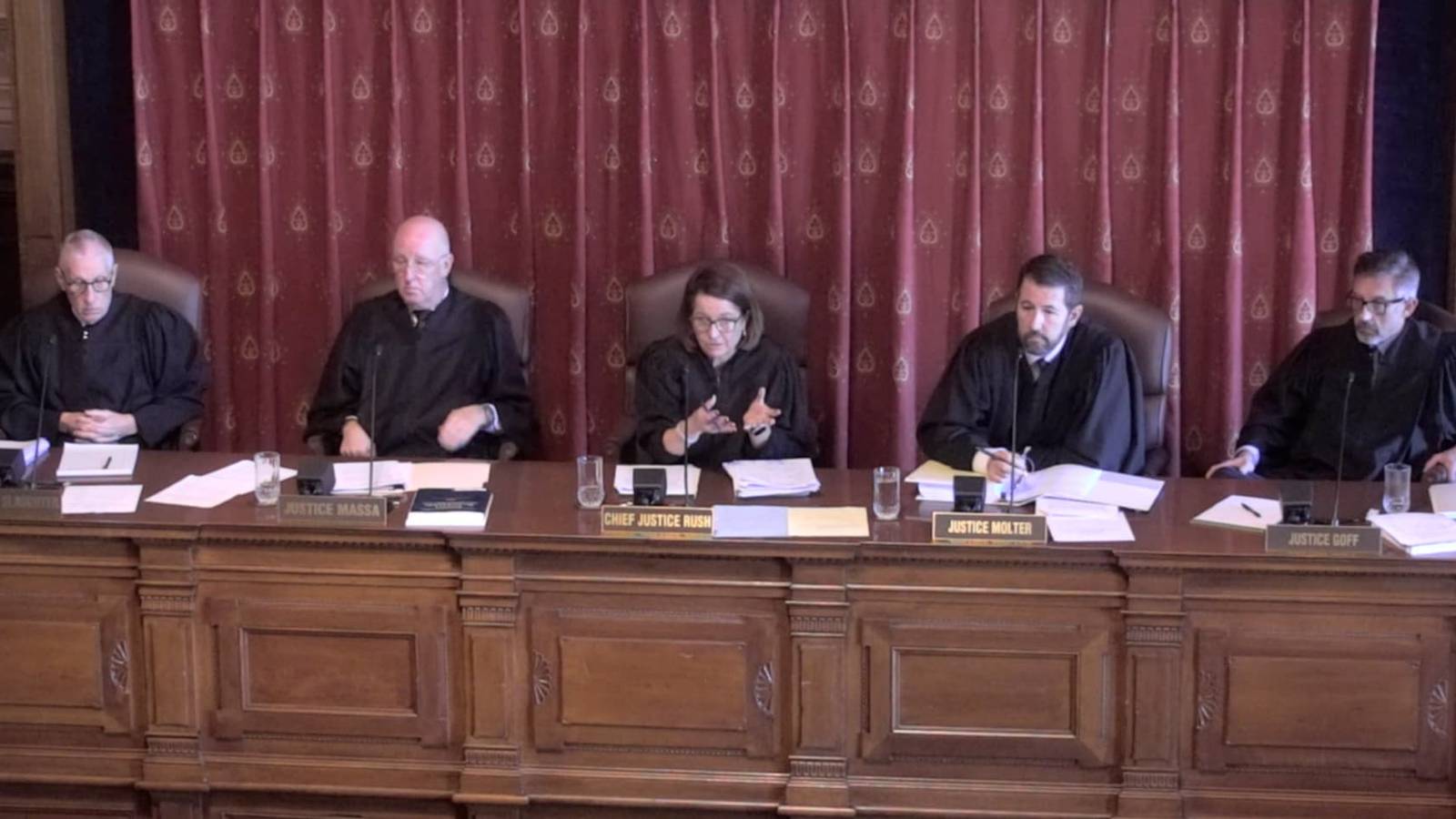
In a week of significant legal challenges, the U.S. Supreme Court finds itself at the center of two pivotal cases involving President $1 Trump. The cases, which include Trump’s controversial use of emergency powers to impose sweeping tariffs and his deployment of the National Guard in domestic settings, raise fundamental questions about the limits of presidential authority and the role of the judiciary in maintaining checks and balances.
Trump’s Tariff Policies Under Supreme Court Scrutiny
On Wednesday, September 4, 2025, the Trump administration officially requested that the Supreme Court expedite its review of a lower court ruling that struck down key portions of the president’s tariff policies. According to AP News, the U.S. Court of Appeals for the Federal Circuit had previously ruled on August 29 that the tariffs imposed by Trump under the 1977 International Emergency Economic Powers Act (IEEPA) exceeded his authority. The tariffs, which targeted imports from countries like Canada, China, and Mexico, were part of Trump’s broader trade strategy to pressure foreign nations into renegotiating trade deals and addressing issues like the trafficking of fentanyl.
Solicitor General D. John Sauer argued in a 34-page filing that the stakes for the U.S. economy and foreign relations are immense. He contended that the tariffs were necessary to restore America’s economic standing and protect national security, even as critics pointed out that the Constitution grants Congress, not the president, the power to impose taxes and tariffs. The Federal Circuit’s ruling emphasized that the IEEPA does not provide the president with unchecked authority to regulate tariffs, citing the “major questions” doctrine, which requires explicit congressional authorization for actions of vast economic significance.
Despite the legal setbacks, Trump’s administration has managed to collect $159 billion in tariff revenue by late August, as reported by SCOTUSblog. The Supreme Court is expected to hear arguments in early November, with the potential to deliver a landmark decision that could redefine the balance of power between the executive and legislative branches.
National Guard Deployment Sparks Constitutional Debate
Meanwhile, the Trump administration’s use of the National Guard for domestic law enforcement purposes has come under intense scrutiny. In June, Trump deployed the National Guard to Los Angeles, citing disruptions to federal immigration enforcement actions as justification. However, a federal judge recently ruled that this deployment violated the Posse Comitatus Act, which prohibits the use of the military for domestic law enforcement.
Legal experts and commentators have expressed concern about the potential for similar actions in Chicago. According to Politico, Trump’s legal team has argued that the president has the authority to federalize the National Guard under a 1908 statute that allows such actions when federal laws cannot be enforced by regular means. However, critics argue that there is no substantial evidence of federal law enforcement being obstructed in Chicago, making any potential deployment legally dubious.
The Supreme Court’s track record in cases involving Trump has also raised eyebrows. As noted by Politico, the Court has previously sidestepped evidence of unlawful motives in Trump-related cases, prompting skepticism about whether the justices will act as impartial arbiters or defer to executive authority. The outcome of these cases could have profound implications for the role of the judiciary in checking presidential power.
Broader Implications for Democracy and Governance
The controversies surrounding Trump’s actions highlight broader concerns about the erosion of democratic norms and the concentration of power in the executive branch. Critics warn that unchecked presidential authority could set dangerous precedents, undermining the balance of power enshrined in the Constitution.
At the same time, the Supreme Court’s willingness to take up these cases underscores its pivotal role in resolving disputes over the scope of executive power. As noted by SCOTUSblog, the Court’s decisions could either reaffirm or redefine the limits of presidential authority, setting the stage for future administrations.
For small businesses and state governments challenging the tariffs, the stakes are equally high. Many have argued that the economic uncertainty created by Trump’s trade policies has inflicted lasting harm, making a timely resolution essential. Similarly, residents of cities like Chicago and Los Angeles are closely watching the National Guard case, concerned about the implications for civil liberties and local governance.
As the Supreme Court prepares to deliberate on these pivotal cases, its decisions will not only shape the legacy of Donald Trump’s presidency but also set critical precedents for the future of American democracy and governance.