
Exoplanets
-
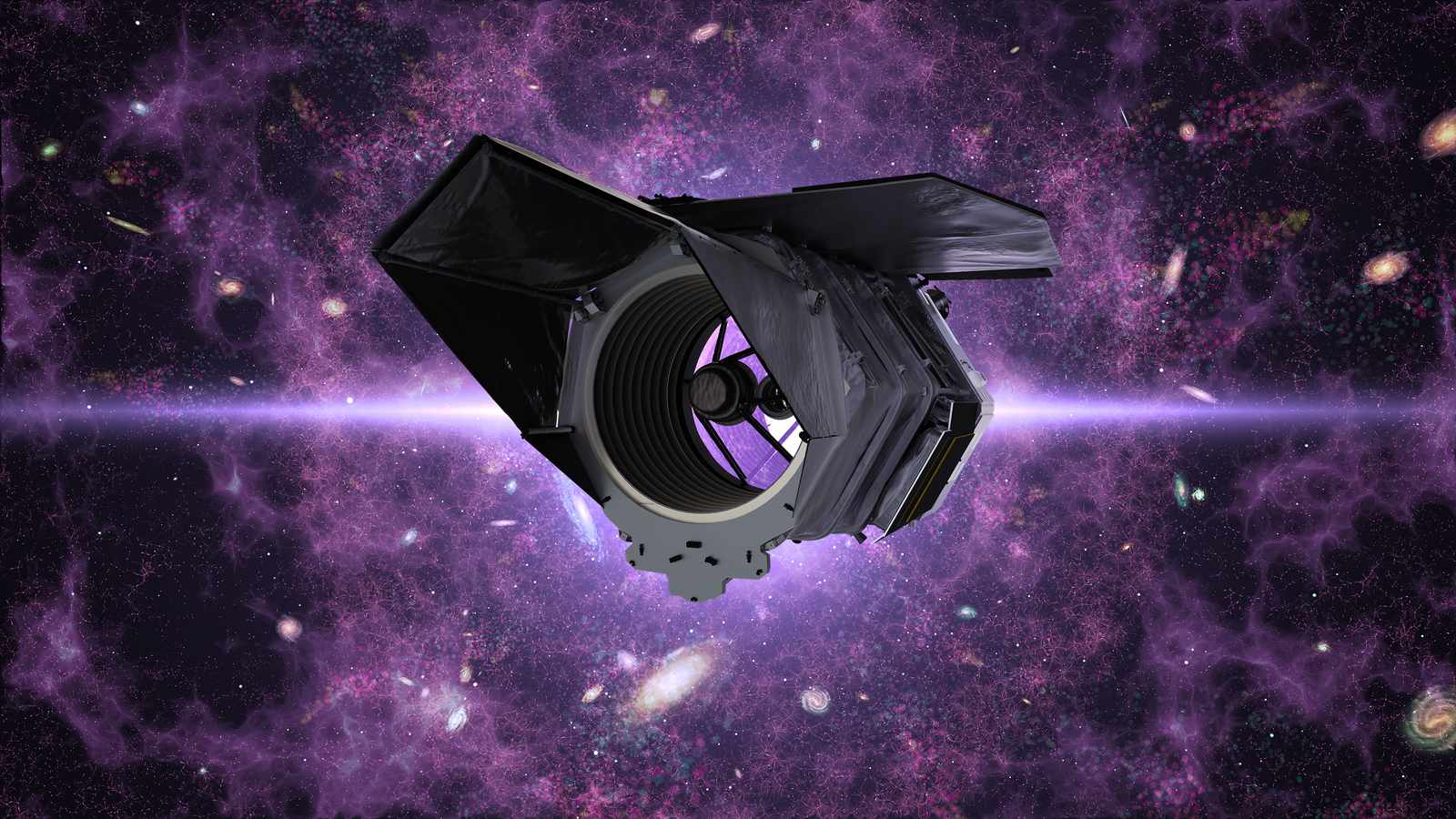
Cosmic Reality vs. Cinematic Multiverses: How NASA’s Roman Space Telescope Will Redefine Our Understanding of Dark Matter
NASA’s $4.3 billion Nancy Grace Roman Space Telescope has launched, bridging sci-fi curiosity with a mission to map a billion galaxies and hunt for exoplanets.
-

Euclid Telescope Reveals Unprecedented View of Milky Way’s Galactic Bulge
The ESA’s Euclid telescope has released a 324-megapixel image of the Milky Way’s galactic bulge, providing a crucial dataset for future exoplanet research in collaboration with NASA’s Nancy Grace Roman Space Telescope.
-

AI-Driven Data Reveals Missing Link in Planetary Formation
New data from May 2026 reveals that the ‘radius valley’—a mysterious gap in planet sizes—disappears around the smallest stars, fundamentally shifting our understanding of how solar systems evolve.
-

James Webb Space Telescope Maps Uranus Auroras in 3D
The James Webb Space Telescope has delivered the first 3D maps of Uranus’s auroras, providing unprecedented insights into the ice giant’s unique atmosphere and magnetic field.
-

Astronomers Confirm ‘Inside-Out’ Exoplanet System Discovery
A recently discovered exoplanetary system, dubbed ‘inside-out,’ challenges fundamental theories of planet formation by featuring large gas giants orbiting unusually close to their star while smaller rocky planets are found further out.
-
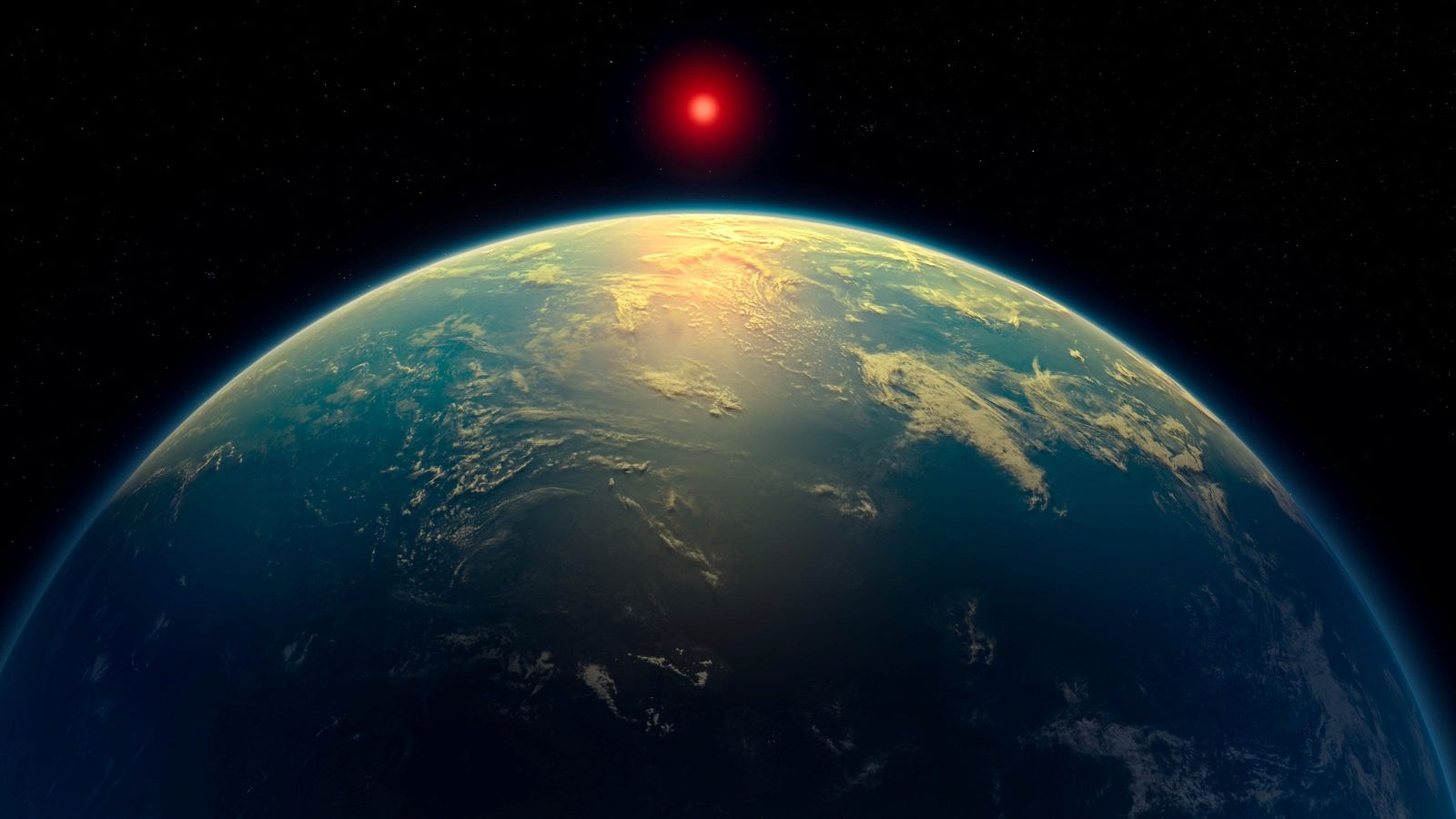
Exoplanets and the Possibility of Alien Life
Exoplanets are planets outside our solar system, and their study has revealed fascinating possibilities for alien life. From microbial signatures in atmospheres to extremophiles on Earth, scientists are exploring the universe for habitable worlds.
-
Astrobiology: The Science of Life Beyond Earth
Astrobiology explores the origins, evolution, and potential for life beyond Earth, combining disciplines like biology, astronomy, and chemistry to address humanity’s age-old question: Are we alone in the universe?
-

Life on K2-18b? Webb Telescope Finds Possible Biosignature
Astronomers using the James Webb Telescope have detected potential biosignatures on K2-18b, a distant exoplanet, sparking debates about extraterrestrial life.