


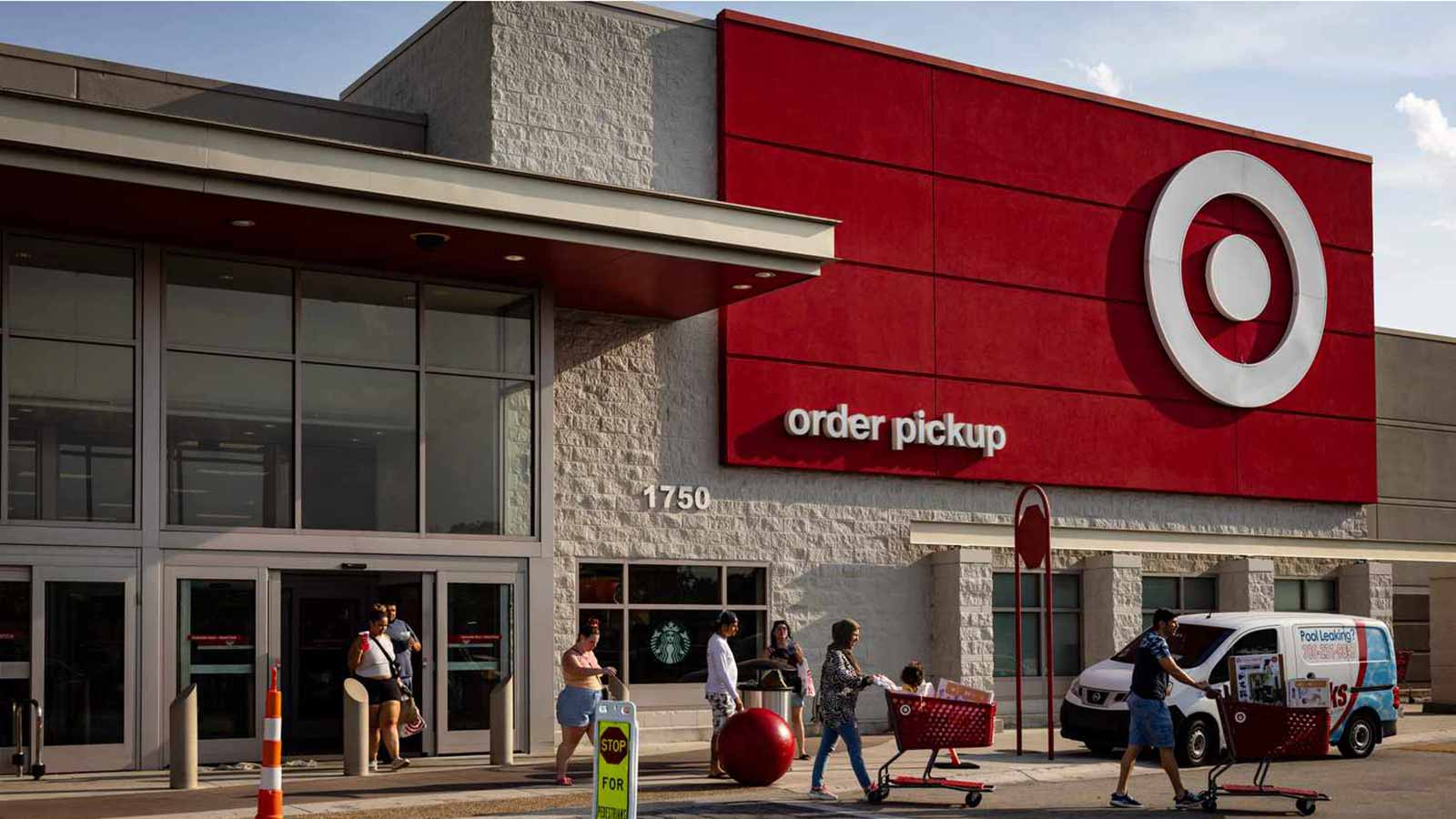
Target Corporation (NYSE: TGT), one of America’s largest big-box retailers, recently announced its second-quarter 2025 earnings, which exceeded Wall Street expectations. However, the company’s stock price experienced a sharp decline, driven by persistent sales struggles and the announcement of a significant leadership change. This news underscores the challenges facing Target as it navigates a competitive retail environment and changing consumer behavior.
Q2 2025 Earnings: A Mixed Bag
On August 20, 2025, Target revealed its Q2 earnings, reporting adjusted earnings per share (EPS) of $2.05, slightly above the consensus estimate of $2.03, according to TipRanks. Revenue also exceeded expectations, reaching $25.21 billion compared to analysts’ forecast of $24.93 billion. However, these numbers were still down from the same period last year, where EPS stood at $2.57, and revenue totaled $25.45 billion.
The decline in revenue was primarily driven by a 1.9% drop in comparable sales, which included a 3.2% fall in in-store sales. Digital sales, however, grew by 4.3%, providing a glimmer of hope amid an otherwise challenging retail landscape. Target attributed the sales decline to tighter consumer budgets and inflationary pressures, which have affected discretionary spending on goods like apparel and home furnishings.
Net income for the quarter stood at $935 million, a significant drop from $1.19 billion in the same quarter last year. Despite these setbacks, Target maintained its full-year 2025 guidance, projecting adjusted EPS between $7.00 and $9.00 and a low single-digit decline in overall sales. The company expressed confidence in its ability to recover, particularly as it approaches the critical back-to-school and holiday seasons.
Leadership Transition Sparks Market Skepticism
In a move that could shape Target’s future, the company announced that its Chief Operating Officer (COO), Michael Fiddelke, will assume the role of CEO on February 1, 2026. Fiddelke, a 20-year veteran of the company who has previously served as Chief Financial Officer (CFO), will succeed Brian Cornell, who has led Target since 2014. Cornell will transition to the role of Executive Chair of the Board.
Christine Leahy, the lead independent director of Target’s Board, praised Fiddelke as the right leader to “return Target to growth” and refocus its strategy. However, Wall Street reacted negatively to the announcement, with Target’s stock plunging nearly 10% in premarket trading on the day of the announcement, as noted by Fast Company. Investors appear to be seeking more tangible evidence that Fiddelke’s leadership can reignite growth and stabilize margins in a challenging retail environment.
Challenges Ahead: Inflation and Competition
Target’s struggles are not unique in the retail sector. The company continues to face headwinds from inflation, which has tightened consumer spending, and increased competition from both online giants like Amazon and traditional brick-and-mortar rivals like Walmart. Additionally, the lingering impact of tariffs imposed during Donald Trump’s presidency has raised import costs, further pressuring margins.
To counter these challenges, Target has leaned on strategies such as cost-cutting, private-label product expansion, and digital growth initiatives. Despite these efforts, the company’s stock has underperformed, losing over 22% of its value year-to-date as of August 2025, according to TradingView.
Investor Sentiment: A Waiting Game
Analysts remain cautious about Target’s future. On GuruFocus, the consensus among 38 brokerage firms is a “Hold” rating, with an average price target of $105.48, implying minimal upside from current levels. Investors seem to be adopting a wait-and-see approach, looking for evidence that the company’s strategic initiatives and new leadership can deliver long-term value.
Target’s ability to navigate the upcoming holiday season and implement operational improvements under Fiddelke’s leadership will likely be key to restoring investor confidence. As the company works to address its challenges, its next steps will be closely watched by both Wall Street and Main Street.
In the ever-changing retail landscape, Target’s future will depend on its agility, innovation, and ability to reconnect with cost-conscious consumers. As 2026 approaches, all eyes are on the company’s leadership transition and its potential to drive a turnaround.