


Quick Read
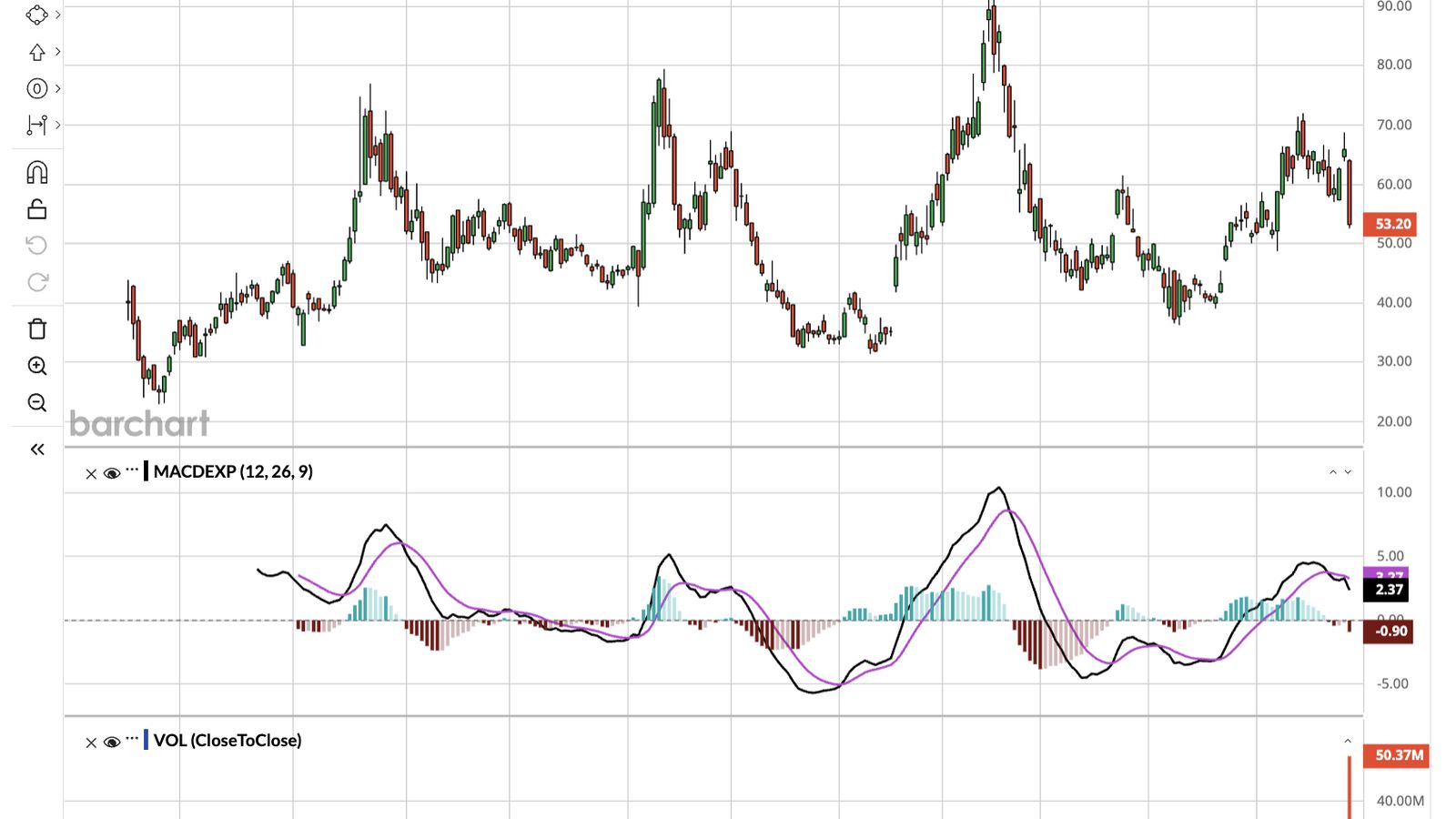
- Tempus AI stock faced a 20% drop on May 28 after a scathing short report by Spruce Point Capital.
- The report accused the company of aggressive accounting practices and questioned its AI credentials.
- Tempus AI refuted the allegations, highlighting strong revenue growth and strategic partnerships.
Tempus AI, a Chicago-based healthcare technology company valued at $9.2 billion, finds itself in the spotlight after a turbulent week in the stock market. On May 28, its stock price tumbled nearly 20% following a damning report from Spruce Point Capital Management. The short seller’s allegations ranged from aggressive accounting practices to doubts about the company’s artificial intelligence (AI) credentials. With its reputation at stake, Tempus AI has vehemently denied these claims, calling them “riddled with hypotheticals and inaccuracies.”
Spruce Point’s Allegations Cast Doubt on Tempus AI
Spruce Point Capital’s report took direct aim at Tempus AI’s business practices and AI-driven initiatives. Despite rebranding as an AI-focused healthcare company before its June 2024 initial public offering (IPO), the report alleged that artificial intelligence applications contributed a mere $12.4 million, or 2%, of Tempus’s total revenue in 2024. This raised questions about the company’s positioning in the competitive AI healthcare sector.
The report also criticized Tempus’s founder, Eric Lefkofsky, for his track record with prior ventures such as Groupon and Echo Global Logistics, both of which delivered lackluster results for shareholders. For instance, Groupon’s stock has plummeted nearly 95% since its IPO. Spruce Point further suggested that Tempus’s partnerships with major firms like AstraZeneca and SoftBank were weakening. It highlighted AstraZeneca’s decision not to exercise warrants to purchase Tempus stock as a sign of declining confidence in the collaboration.
Tempus AI Counters with Strong Financial Performance
Tempus AI wasted no time responding to the allegations, emphasizing its strong financial results and future growth prospects. The company reported impressive first-quarter 2025 revenue of $255.7 million, marking a 75.4% year-over-year increase. Its genomics division led the charge with $193.8 million in revenue, reflecting 89% growth, while its data and services segment grew by 43% to $61.9 million.
Moreover, Tempus highlighted its significant strides toward profitability. Its adjusted EBITDA losses narrowed from $43.9 million in the first quarter of 2024 to just $16.2 million a year later. CEO Eric Lefkofsky expressed confidence in achieving adjusted EBITDA positivity by the end of 2025, the company’s tenth year of operations.
Strategic partnerships also bolster Tempus’s outlook. The company recently secured a $200 million, three-year data licensing agreement with AstraZeneca and Pathos AI to develop oncology foundation models. This deal adds to its remaining contract value of over $1 billion, providing a robust pipeline for future revenue.
Why the Short Report Matters for Investors
Short seller reports like the one from Spruce Point often have a significant impact on investor confidence and stock performance. For Tempus AI, the timing of this report is especially critical. The company has positioned itself as a leader in precision medicine and AI-driven healthcare, making its credibility vital to maintaining partnerships and attracting future investments.
While the short report raises valid questions, analysts remain cautiously optimistic. According to Finviz, Tempus’s revenue is expected to grow from $693.4 million in 2024 to $2.5 billion by 2029. Adjusted earnings per share are also forecast to rise to $1.69 by 2029, compared to a loss of $1.58 per share in 2024. Analysts have set an average target price of $65 for Tempus stock, suggesting over 20% upside from current levels.
Comparing Tempus AI to Industry Peers
Tempus AI’s performance must also be viewed in the context of its competitors in the AI healthcare space. Companies like Butterfly Network have also demonstrated robust growth, with Butterfly’s stock rising 114.8% over the past year compared to Tempus’s 55.4%. However, Tempus maintains a stronghold in precision oncology through its AI-enabled platform, while Butterfly focuses on point-of-care imaging.
Tempus’s higher valuation, with a forward price-to-sales ratio of 7.90 compared to Butterfly’s 5.00, reflects investor confidence in its long-term potential. Yet, this also underscores the need for Tempus to address concerns raised in the short report to sustain its market position.
As the healthcare industry increasingly integrates AI into clinical practice, Tempus’s ability to leverage its extensive data assets—over 300 petabytes of multimodal patient data—remains a key competitive advantage. Its integration into clinical workflows across major healthcare systems further enhances its value proposition.
Tempus AI’s battle with Spruce Point Capital highlights the challenges of navigating scrutiny in the high-stakes AI healthcare market. While the short report casts a shadow over its recent achievements, Tempus’s strong financial performance and strategic initiatives suggest resilience. The coming months will be critical as the company seeks to rebuild investor confidence and prove its value in the rapidly evolving field of precision medicine.