


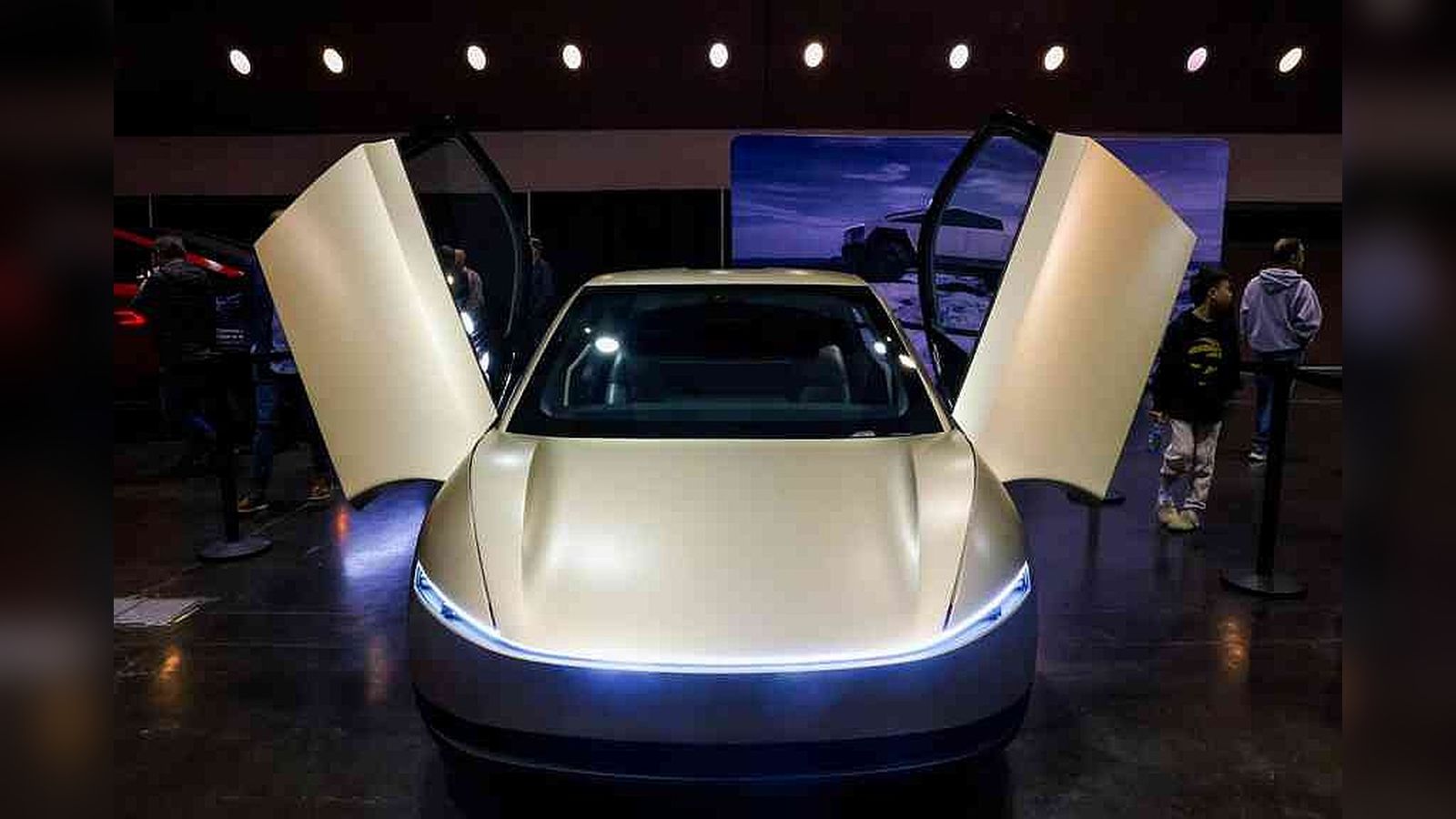
A formal commercial rollout of Tesla Inc.’s custom-built driverless taxi in Austin, Texas, has triggered heightened scrutiny from federal transportation authorities and sparked a sharp retreat in the company’s share price. As reported by the News Tribune, the National Highway Traffic Safety Administration (NHTSA) opened an investigation into the process and technical documentation Tesla relied on to self-certify its Cybercab vehicles, which operate without conventional steering wheels or driver foot pedals.
Federal Audit Challenges Steeringless Design
The regulatory inquiry centres on whether Tesla’s purpose-built vehicle complies with established Federal Motor Vehicle Safety Standards (FMVSS). Under current U.S. regulations, motor vehicles sold or operated on public roads are generally required to incorporate human-centric physical controls, such as steering assemblies, brake pedals, and side mirrors. While regulators have proposed rules to accommodate fully autonomous architectures, NHTSA confirmed that existing standards remain binding until formal modifications are finalized.
In a public statement cited by the News Tribune, NHTSA Chief Official Jonathan Morrison emphasized that while the agency supports automated vehicle innovation, federal enforcement must guarantee complete regulatory compliance. The audit specifically examines how Tesla self-certified the steeringless vehicle rather than seeking a federal exemption—a path previously pursued by Amazon’s autonomous vehicle unit, Zoox, which secured explicit regulatory waivers in July following its own self-certification hurdles.
Low-Key Rollout Triggers Wall Street Skepticism
The regulatory action arrived alongside a restrained public deployment that disappointed institutional investors. Rather than hosting a high-profile live launch, Tesla launched a dedicated webpage and quietly introduced the vehicle into commercial passenger service in Austin. Attendees at an invite-only event took initial rides, with Tesla Head of AI Ashok Elluswamy declaring the vehicle operational for public use.
However, the lack of a public webcast or detailed technical briefing created widespread uncertainty on Wall Street. Tesla shares fell 6 percent in New York trading following the launch, marking the equity’s steepest intraday decline in six weeks. Equity analysts highlighted that the absence of concrete vehicle production schedules, cost-per-mile metrics, and regional expansion timelines left major financial questions unresolved.
Market Competition and Fleet Scale Realities
The Cybercab deployment represents a key operational test for Chief Executive Officer Elon Musk’s strategic transition from traditional vehicle manufacturing to artificial intelligence and autonomous transport. Prior to the Cybercab launch, Tesla operated a smaller ride-hailing pilot using modified Model Y SUVs equipped with human safety monitors.
Data cited by the News Tribune shows Tesla registered 45 Cybercabs with Texas state authorities ahead of the launch, expanding its total registered robotaxi fleet in the state to 420 vehicles. By comparison, Alphabet Inc.’s Waymo maintains nearly 1,000 registered autonomous vehicles in Texas alone, highlighting the competitive gap facing Tesla as regulators evaluate its hardware compliance.