


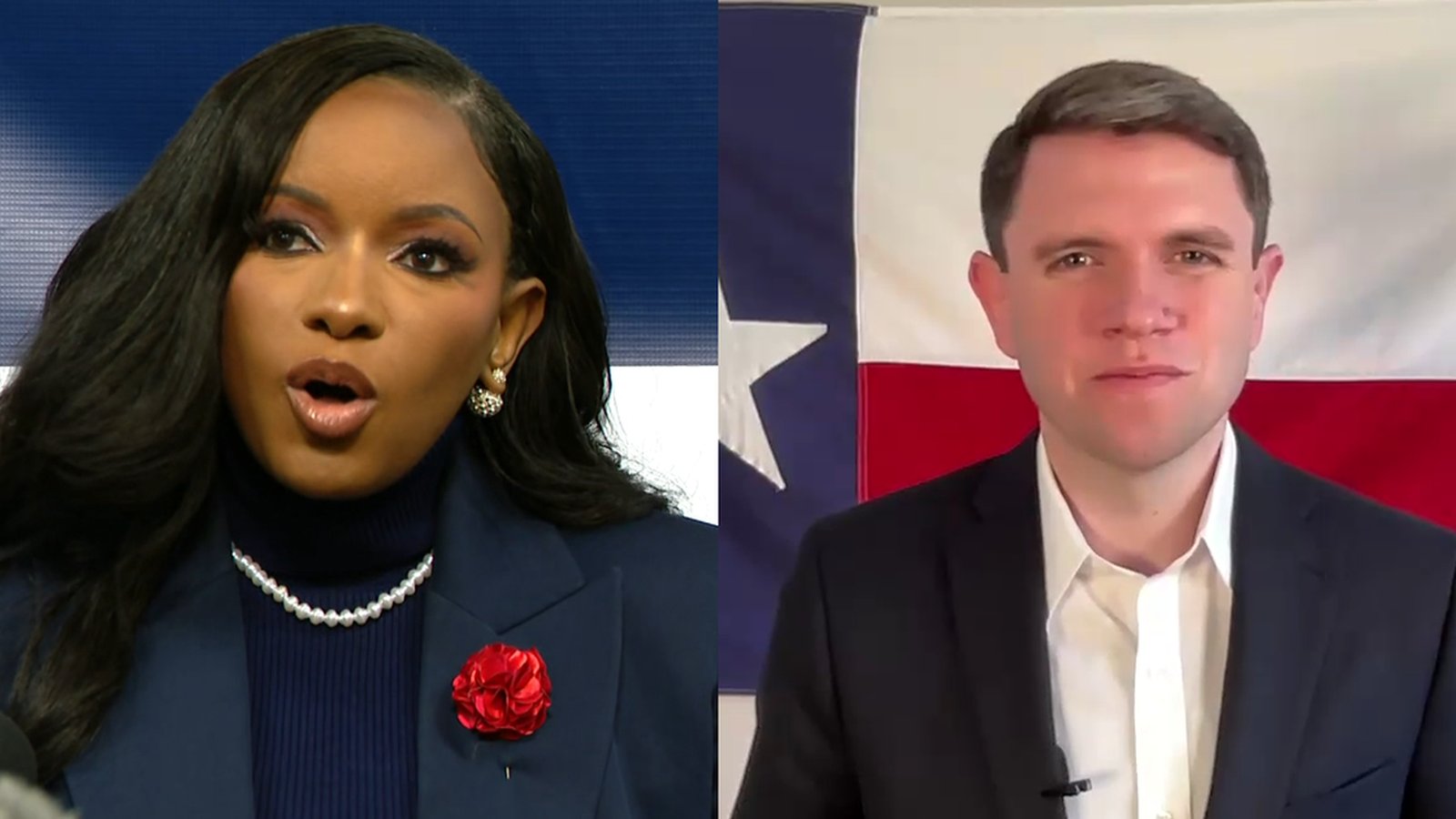
Following the primary outcome, attention shifted immediately to party cohesion. CNN reported that Rep. Jasmine Crockett faced immediate backlash after choosing not to endorse Talarico following her primary defeat. Former U.S. Representative Susan Wild sharply criticized Crockett over the decision, labeling her a narcissistic drama queen, while House Democratic Leader Hakeem Jeffries emphasized the urgent necessity of cooperation during an appearance on CNN’s OutFront, declaring that it is “all hands on deck” for the upcoming general election.
National Stakes and the Texas Senate Landscape
The primary contest highlights broader political dynamics one year into President Donald Trump’s second term. The race to represent Texas in the Senate has drawn unprecedented financial support, with tracking firm AdImpact recording over $122 million dedicated to ad spending and reservations in the Republican matchup between incumbent Sen. John Cornyn and Attorney General Ken Paxton. Meanwhile, Democrats view the Talarico-Crockett primary as a pivotal moment for establishing a competitive statewide footprint in a state dominated by Republicans for decades.
Beyond individual candidate victories, the Texas primaries serve as the proving ground for newly drawn congressional maps. Following encouragement from Trump last summer, Texas spearheaded redistricting efforts that sparked a Supreme Court battle and fueled a national debate over mid-decade gerrymandering. Observers note that these maps are expected to secure multiple Republican pickups in the House, where the majority remains razor-thin.
Party Unity and General Election Outlook
As the dust settles from a bruising primary season, Democratic leadership faces the challenge of healing internal divisions before the general election cycle intensifies. Talarico struck an optimistic tone following his victory, telling The Associated Press that Democrats are prepared to “take back Texas.” However, the public split between Crockett and the nominee underscores the fragile coalition required to mount a successful statewide challenge.
Party strategists point out that bridging the gap between progressive and moderate factions will be critical for mobilizing voters across urban and rural districts. With national implications attached to every major Texas contest—ranging from gubernatorial races to fiercely contested House seats—the ability of party leadership to enforce discipline and project a unified front will determine whether Democrats can convert primary momentum into general election success.