


The Changing Landscape of Pixar’s Flagship Franchise
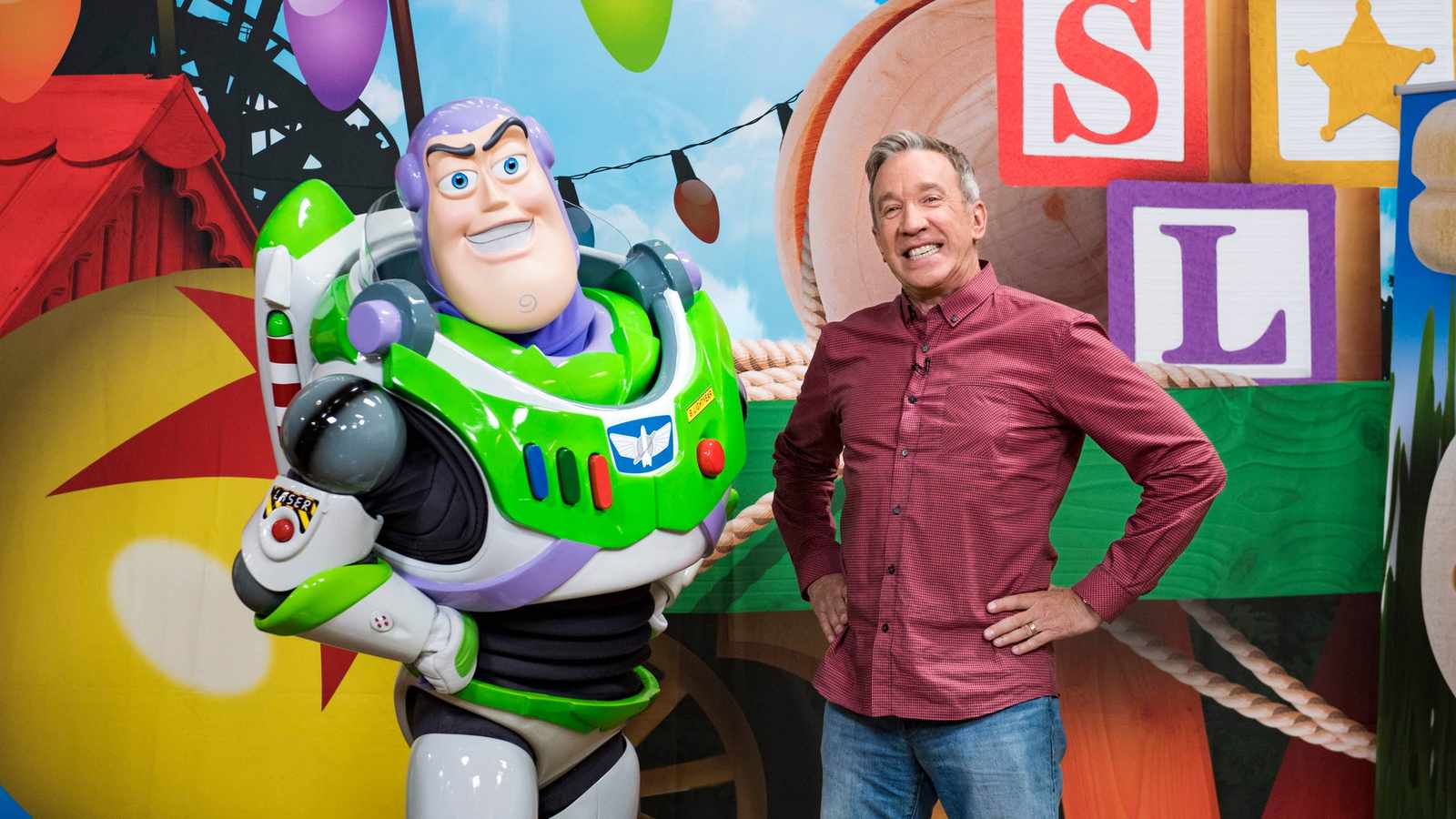
The release of Toy Story 5 in June 2026 marks a pivotal moment for Pixar Animation Studios. As the franchise ventures into a narrative centered on the struggle between traditional play and the intrusion of modern electronic gadgets, the spotlight has intensified on its veteran cast. While the London premiere saw the triumphant return of Joan Cusack to the red carpet—her first in over a decade—the public discourse surrounding Tim Allen’s performance as Buzz Lightyear has become increasingly complex.
The core of the current debate lies in the institutional shift Pixar is navigating. By positioning Buzz and Woody in a world where children are increasingly detached from physical toys, the studio is attempting to mirror the anxieties of modern parents. However, the decision to prioritize these thematic updates has left some audiences questioning the future of the iconic voice-acting partnership that defined the series for nearly three decades.
The Stakes of Voice Performance Continuity
For years, the chemistry between Tom Hanks and Tim Allen served as the emotional anchor of the Toy Story universe. Recent promotional events for the fifth installment have highlighted a subtle change in the energy of the ensemble. With director Andrew Stanton helming the project, the narrative focus has shifted toward a more cautionary tale regarding technology, potentially sidelining the character-driven rapport that defined previous entries. The industry is watching closely to see if Allen’s performance can maintain the same resonance in a film that seems intent on deconstructing the very toys that made the series a global phenomenon.
As noted in recent production updates, the film’s message—centered on humanity, loyalty, and the risks of early technology adoption—is designed to pull at the heartstrings of an aging audience. Yet, the inclusion of new characters alongside legacy figures suggests a transition period for the franchise. The challenge for Allen, in particular, is to evolve his portrayal of Buzz Lightyear to fit this more somber, modern context without losing the nostalgic appeal that remains the studio’s greatest asset.
The enduring success of the Toy Story franchise has always relied on the seamless integration of character and medium. As Pixar pivots toward more contemporary, tech-centric narratives, the reliance on legacy performers like Tim Allen becomes a double-edged sword. While their presence ensures a baseline of audience engagement, the studio’s willingness to experiment with the core dynamics of the cast indicates that the franchise is entering a period of significant structural change. Whether this evolution will preserve the emotional integrity of the series or dilute its historical impact remains the central question for the 2026 summer box office.