


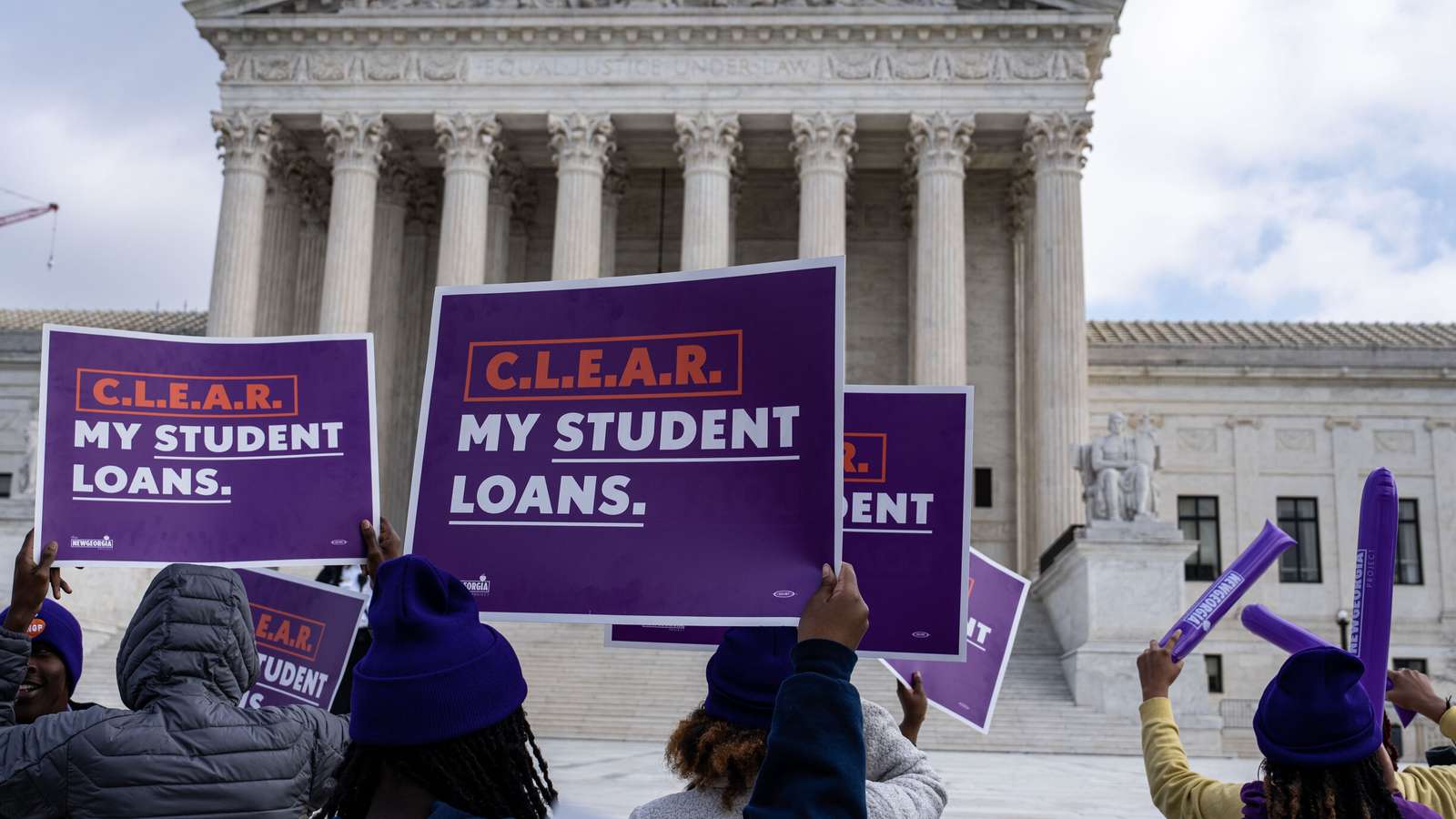
Judicial Challenges to New Federal Loan Framework
As of July 1, 2026, a sweeping overhaul of federal student loan policy has taken effect, introducing more stringent repayment requirements and revised eligibility criteria for professional graduate degrees. However, the implementation of these changes is already meeting significant resistance in federal courts, creating a climate of uncertainty for millions of borrowers.
Two federal district courts recently vacated the new Public Service Loan Forgiveness (PSLF) rule, a development that legal analysts expect to be appealed. The rule, which sought to exclude organizations engaged in what the administration termed a “substantial illegal purpose,” was criticized for its potential to disqualify public servants in jurisdictions that defy federal policy. According to the Commonwealth of Massachusetts v. U.S. Department of Education ruling, the regulation exceeded agency authority and lacked an objective legal foundation, raising concerns about potential viewpoint discrimination.
Accountability and Borrower Limits
Beyond PSLF, the Department of Education has introduced a “do no harm” accountability test, requiring programs to demonstrate that graduates earn more than the average high school graduate to maintain access to federal loan funding. Danielle Douglas-Gabriel of The Washington Post noted that this shift aims to curb graduate borrowing but has faced backlash from professional organizations representing nurses and physician assistants, who were initially excluded from certain loan protections.
Borrowing limits have also tightened significantly. Professional students are now restricted to an annual loan limit of $50,000, with an aggregate cap of $200,000. These restrictions have sparked legal challenges, as critics argue the definition of “professional degrees” is overly narrow and fails to account for the actual costs of advanced education.
Analysis: The Future of Federal Aid
The current landscape represents a fundamental shift from the expansive repayment options of the past. With the phase-out of programs like SAVE, PAYE, and ICR, borrowers are increasingly funneled into the “Income-based Repayment Assistance Plan” (RAP) and tiered standard plans. The legal volatility surrounding these changes suggests that the federal government’s attempt to stabilize the student loan system may inadvertently create further instability. As schools evaluate their programs against the new “do no harm” criteria, the long-term impact on access to education remains a critical concern for policymakers and students alike.