

Quick Read
- Titan Ridge volcano eruption in early May 2026 created massive floating pumice rafts.
- Pumice layers up to 2 meters deep have trapped boats in PNG’s Manus Province.
- Isolated communities face water shortages and loss of access to medical services.
- Government is evaluating the use of industrial excavators to clear critical maritime infrastructure.
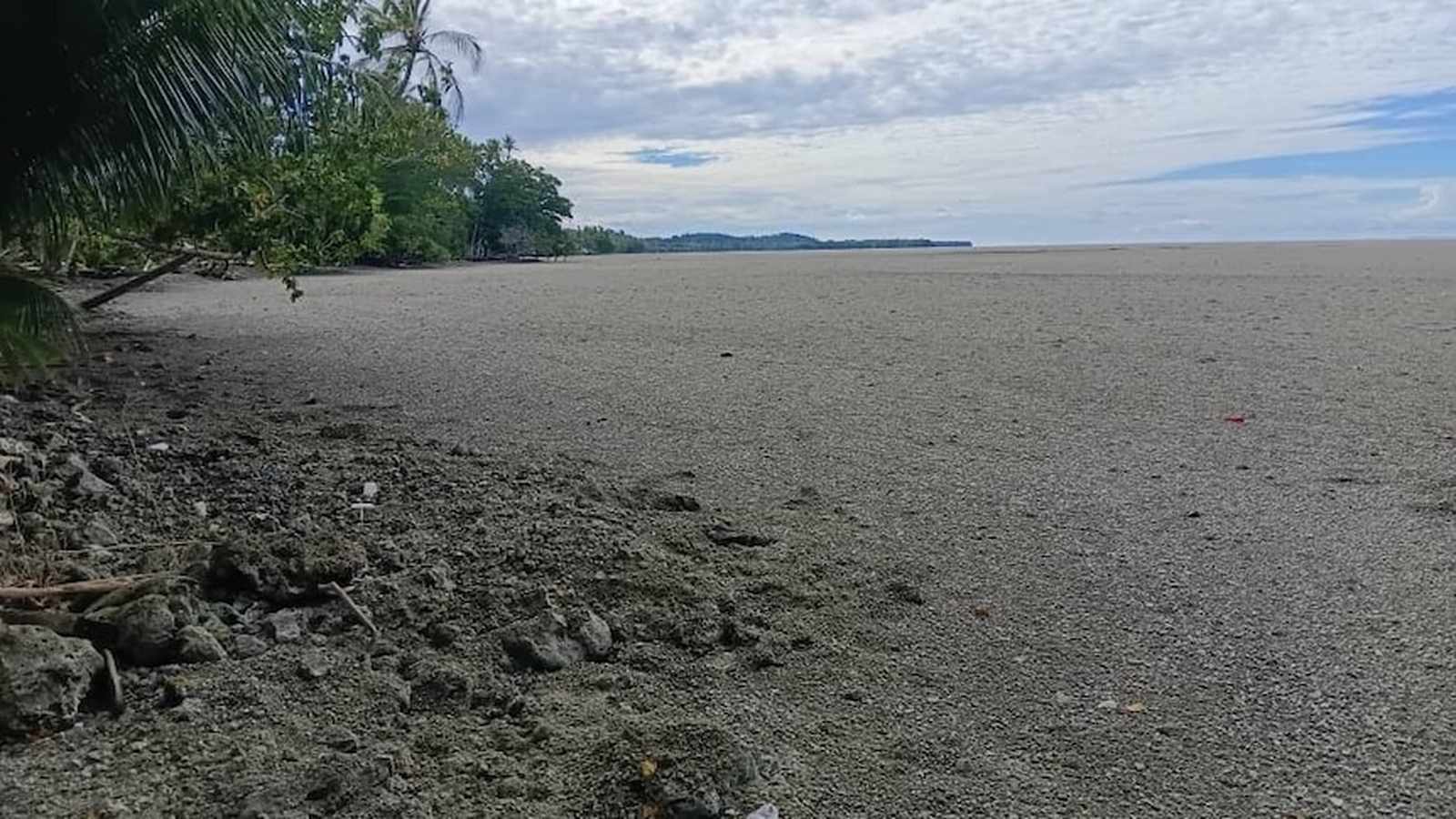
Coastal communities in Papua New Guinea’s (PNG) Manus Province are facing a humanitarian crisis as massive rafts of volcanic pumice from the Titan Ridge undersea volcano have rendered local waters impassable. Since early June 2026, layers of pumice, reportedly reaching depths of up to two meters, have trapped vessels at their moorings and effectively isolated island populations from the mainland.
The Titan Ridge volcano, situated approximately 125 kilometers southeast of Manus in the Bismarck Sea, began its current eruptive phase in early May. According to Councillor Raymond Simeku of Baon village on Lou Island, the accumulation of porous rock has created a “desert” of debris, preventing residents from fishing, trading agricultural goods, or accessing essential medical clinics in the provincial capital of Lorengau.
Humanitarian and Environmental Stakes
The blockage has triggered an acute crisis in essential supplies. Villagers are reporting dwindling fresh water reserves, as residents are forced to use drinking water for basic sanitation because the ocean is inaccessible. Former Manus MP Ron Knight has described the situation as a disaster, noting that a primary accumulation zone spans three kilometers wide and five kilometers long, with depths reaching five meters in some areas. Beyond the immediate logistical paralysis, environmental experts warn that the stagnant pumice layers are blocking sunlight, endangering coral reef ecosystems and local fisheries.
Government Response and Outlook
PNG Prime Minister James Marape has announced that disaster officials are conducting urgent field evaluations to coordinate emergency relief. Current proposals include the deployment of industrial barges equipped with excavators to clear critical wharves and landing ramps, though officials acknowledge the logistical complexity of such an operation. Scientists from the Rabaul Volcanic Observatory state that while active pumice production has significantly reduced, the existing fields remain mobile, driven by regional wind patterns and ocean currents. The observatory, alongside the Darwin Volcanic Ash Advisory Center, continues to monitor the site, noting that such large-scale maritime debris events are rare, occurring only once or twice per century.