


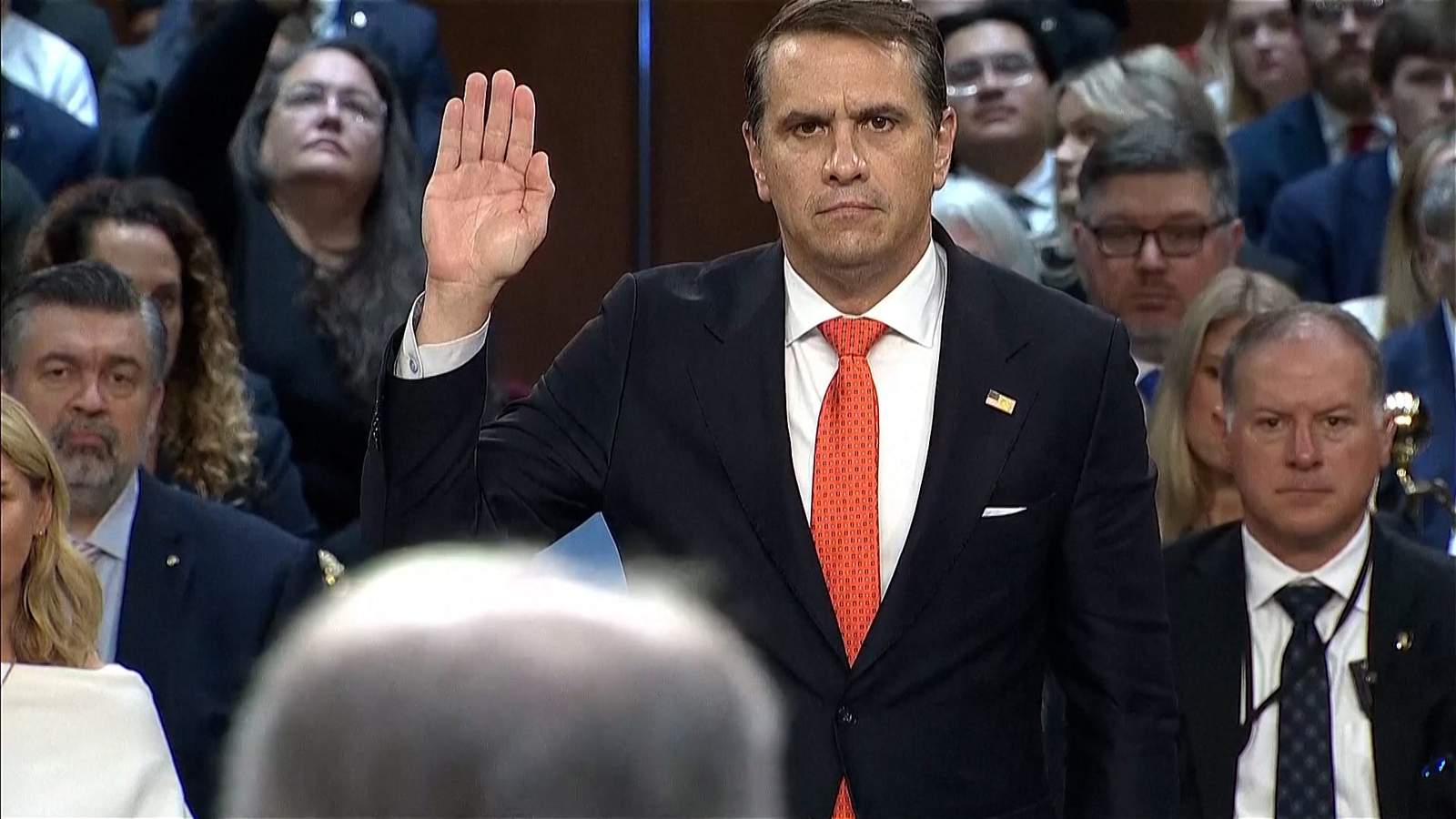
Procedural Advance Follows Concession
The U.S. Senate Judiciary Committee voted 12-10 on Tuesday to advance the nomination of Todd Blanche for Attorney General, moving the process to the full Senate for a final confirmation vote. The committee’s decision followed a critical concession from Blanche, who issued a written order late Sunday confirming the termination of a planned $1.8 billion “anti-weaponization” fund.
The fund, originally conceived as part of a settlement ending a lawsuit between Donald Trump and the Internal Revenue Service (IRS), had sparked intense opposition among key Republican senators. Senators John Cornyn of Texas and Thom Tillis of North Carolina, both of whom serve on the Judiciary Committee, had previously signaled their intent to block the nomination unless the fund was permanently rescinded. During Tuesday’s hearing, both senators confirmed they were satisfied with Blanche’s written commitment to scrap the mechanism, which critics had characterized as a potential “payout pot” for political allies.
Institutional Stakes and Political Criticism
While the procedural hurdle was cleared, the nomination remains deeply contentious. Democrats on the committee voted unanimously against the advancement, raising significant concerns regarding Blanche’s background as Trump’s former personal defense lawyer and his perceived lack of independence. Senator Sheldon Whitehouse of Rhode Island described the nominee as “the most discreditable person ever to seek the office of Attorney General,” citing concerns over his past legal work, including his handling of sensitive case files and prosecutions of political rivals.
The Legal Defense Fund (LDF), a prominent civil rights organization, issued a formal condemnation of the committee’s vote. LDF Policy Director Demetria McCain stated that the move was “wholly irresponsible” and argued that Blanche lacks the necessary integrity and commitment to civil rights required for the nation’s top law enforcement role.
Uncertainty Over Future Policy
Despite Blanche’s written order, skepticism persists regarding the long-term status of the scrapped fund. During the hearing, Senator Cory Booker of New Jersey dismissed the memorandum as “all hat and no cattle,” arguing that a future administration or a change in Department of Justice leadership could easily revive the initiative. While Blanche emphasized that the fund was never operational—with no board appointed and no funds disbursed—the underlying settlement agreement remains a point of legal complexity.
The full Senate is expected to take up the confirmation vote before the August recess, potentially as early as this Saturday. President Trump has previously suggested that if the Senate confirmation process stalled, he would consider keeping Blanche in an acting capacity, further highlighting the administration’s determination to finalize the appointment regardless of the legislative friction.