


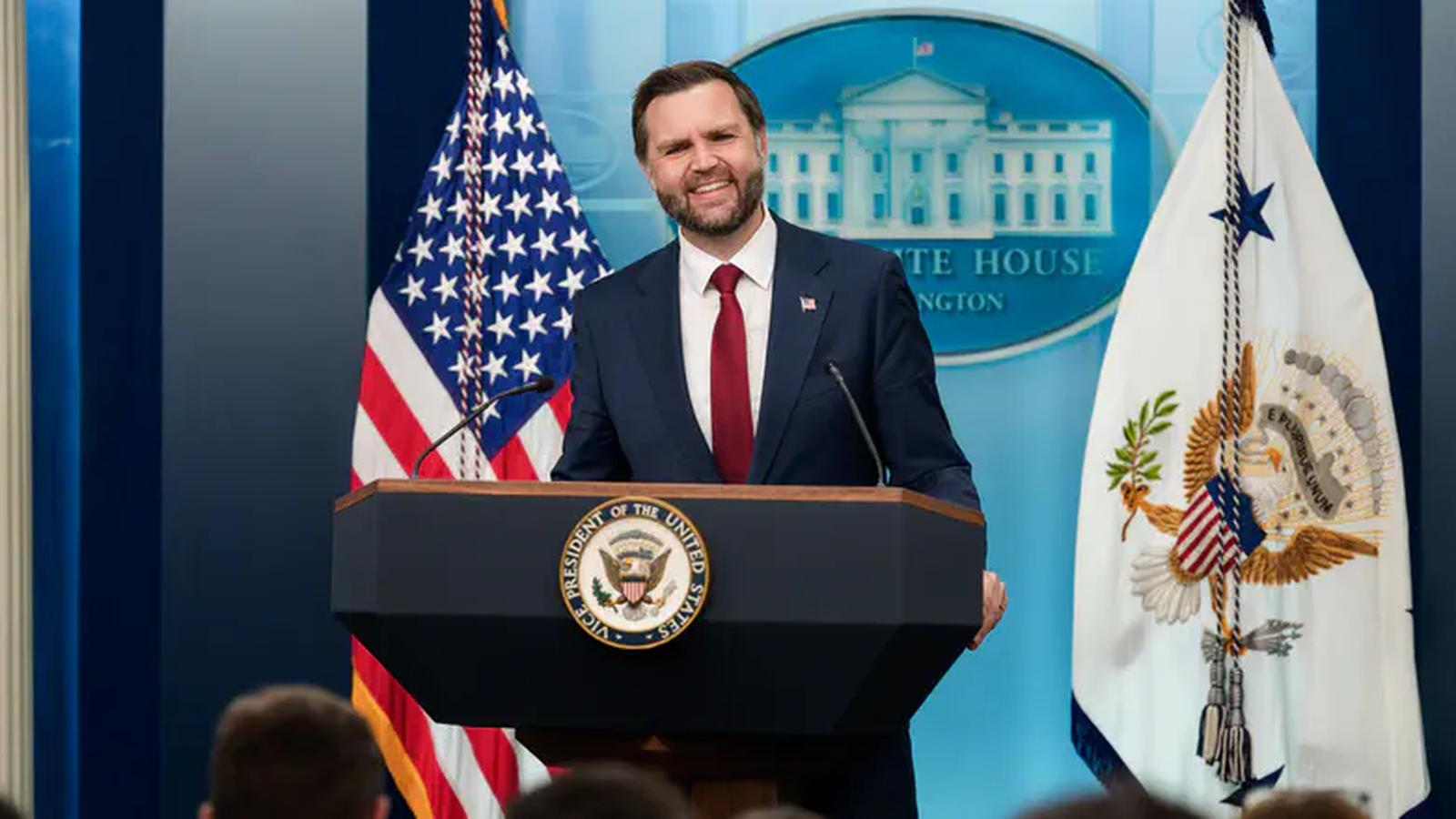
Strategic Deliberations After Midterm Setbacks
Vice President JD Vance remains undecided regarding a potential run for the presidency in 2028, with reports indicating that he may delay any public announcement until late spring. According to reporting by Hindustan Times, citing sources familiar with his internal planning, the Vice President is currently engaged in ongoing discussions with his family and senior political advisers. This timeline for deliberation was reportedly established prior to the recent midterm elections, though the electoral outcomes have introduced new variables into the decision-making process.
The Republican Party’s performance in the midterms has created a complex landscape for potential future candidates. While Vance continues to be viewed as an early front-runner for the nomination, the losses sustained by the party have sparked internal debates regarding the long-term direction of the GOP following the Trump administration. As Israel National News reported, these results have emboldened party members who argue for a shift in strategy, potentially complicating the path for those closely tied to the current administration.
The Intersection of Policy and Party Influence
A significant factor in Vance’s considerations is the ongoing influence of President Donald Trump within the Republican Party. Advisers reportedly believe that an early campaign launch could prove counterproductive, potentially diverting attention from the President and risking friction. The delicate balance between maintaining a distinct political identity and honoring the administration’s legacy remains a central challenge for the Vice President. His private opposition to the military campaign against Iran, and subsequent public criticism of the conflict, has been interpreted by some observers as an attempt to navigate this tension.
Despite these complexities, Vance’s political infrastructure remains robust. His involvement in the Rockbridge Network and his tenure as the finance chair of the Republican National Committee have provided him with a significant donor network and established relationships with key party officials. These assets, combined with his extensive travel and campaigning during the midterms, have deepened his ties with activists across the country, positioning him as a formidable contender should he choose to enter the race.
Future Prospects and Internal Dynamics
The decision-making process is also deeply personal. Following the birth of his fourth child, Vance is balancing the demands of a national campaign with family considerations. While his inner circle of advisers remains optimistic about his eventual entry into the race, the uncertainty surrounding the party’s political trajectory ensures that no final commitment will be made until after the new year. As the political calendar moves toward the spring, the degree to which the GOP moves to embrace or distance itself from the current administration’s record will likely serve as a decisive factor in his final calculation.
Other potential challengers are already maneuvering within the GOP, with figures such as Senator Ted Cruz and Secretary of State Marco Rubio noted for their active preparations. As the party evaluates its future, the timing of Vance’s announcement will be closely monitored, serving as a bellwether for the broader competitive landscape within the Republican field. The strategic delay is not merely a matter of electoral math but a reflection of the high-stakes environment surrounding the post-Trump transition period. Allies within his orbit emphasize that the foundational elements of his potential campaign—including his ties to technology donors like Peter Thiel, David Sacks, and Elon Musk—remain intact. These financial pillars are essential for a candidate who would need to sustain a long-term national operation.
Furthermore, the internal discourse within the party has intensified following the midterm results. Figures such as Governor Ron DeSantis have been particularly vocal, characterizing the losses as an near “extinction-level event” and advocating for a different model of political engagement. This pressure to pivot forces any potential contender, including Vance, to carefully calibrate their public messaging to avoid alienating the base while simultaneously addressing the frustrations of those seeking a new direction. The Vice President’s ability to navigate these competing factions will be tested in the coming months as the primary calendar begins to take shape. While Rubio is viewed as a formidable rival, he currently lacks the ready-made political operation that Vance has meticulously cultivated over the past few years. Consequently, the focus remains on whether the current administration’s record will be seen as an asset or a liability by the electorate in 2028. As the spring approaches, the political landscape will likely clarify, providing the necessary signals for Vance to commit to his next steps on the national stage.
The role of party donors and activists cannot be overstated. During the midterms, Vance invested significant time traveling across the nation, which served the dual purpose of supporting candidates and solidifying his own support base. These connections are expected to serve as the bedrock of his campaign if he decides to proceed. The fact that his spokesperson has declined to comment on these reports further underscores the sensitivity of the timing. Ultimately, the decision rests on a convergence of personal, political, and strategic factors that will continue to evolve as the party recalibrates its goals for the future. The coming months will be a period of intense observation for political analysts and party insiders alike, as the field of contenders begins to solidify around the central question of the party’s post-Trump identity.