


A Strategic Shift in Pricing
On November 9, 2026, Topgolf announced a permanent, nationwide reduction in its gameplay pricing across all of its more than 100 U.S. venues. This adjustment, which represents an average decrease of over 20% compared to historical rates, was implemented immediately. Unlike previous seasonal offers or limited-time discounts, this change is a fundamental shift in the company’s value proposition, intended to make its signature entertainment experience more accessible to casual players and frequent visitors alike. By moving away from promotional reliance, the company is signaling a long-term commitment to affordability.
The decision follows a comprehensive six-month research initiative conducted by the company. According to the official press release published by Topgolf, the company utilized multiple data streams to understand consumer behavior, including surveys of thousands of guests, in-person interviews at various venues, and sentiment analysis of social media conversations. While the research confirmed high levels of brand loyalty—with 78% of respondents citing social connection and 72% praising the food and service as primary drivers for their visits—the cost of gameplay was consistently identified as the single greatest barrier to repeat visitation. This data-driven approach allowed leadership to identify a specific friction point in the customer journey that, when removed, could significantly expand the addressable market for their venues.
Addressing the Barrier to Entry
Topgolf CEO David McKillips, who joined the company in February 2026, noted that the feedback loop was central to this strategic pivot. During his first 100 days visiting U.S. locations, McKillips reported a recurring theme from guests: while the entertainment experience, technology, and food quality were viewed as unmatched, the price point was perceived as too high for regular attendance. “I want our guests to know that we heard them and are now introducing our lowest prices ever,” McKillips said in a statement reported by WKRC. By acknowledging these concerns directly, the leadership team is attempting to rebuild the bridge between the premium nature of the technology-driven experience and the economic realities faced by their core demographic.
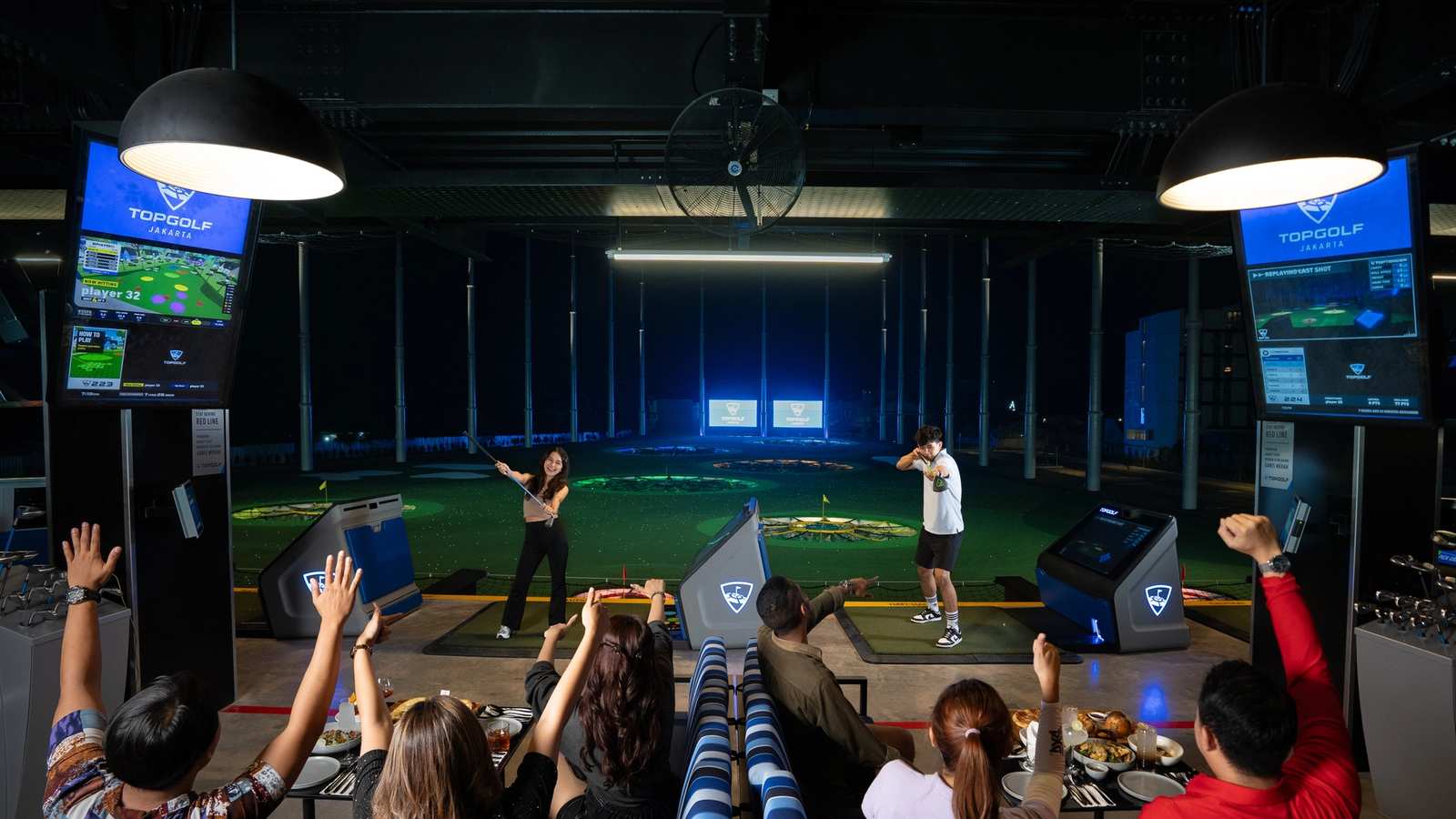
By lowering the cost of entry, the company is attempting to shift the perception of its venues from occasional luxury outings to more frequent social destinations. The pricing adjustment is not facilitated by coupons or promotional codes, and it applies broadly across the U.S. network. However, the company noted that specific rates will continue to vary by individual venue, day of the week, and specific time slots, with higher rates remaining in effect during select holidays. This nuance ensures that while the baseline has shifted downward, the company maintains the ability to manage capacity during peak demand periods, balancing accessibility with the operational needs of high-traffic locations.
Expanding the Value Proposition
Beyond the direct reduction in hourly gameplay fees, Topgolf is simultaneously enhancing its in-venue offerings to further increase the value of each visit. The company is currently rolling out new arcade games to all U.S. venues, with full deployment expected by the end of 2026. Additionally, the brand is in the process of reimagining its food and beverage menus to complement the lower gameplay rates. This strategy is part of a broader effort to integrate new experiences, such as the recently announced partnership with TMRW Sports to bring TGL and WTGL experiences to Topgolf facilities. By diversifying the entertainment portfolio, Topgolf hopes to encourage guests to spend more time on-site, potentially offsetting the reduction in hourly gameplay revenue through increased food and beverage consumption.
For the consumer, the impact of this change is immediate. By removing the need for promotional codes and establishing a lower baseline for gameplay, Topgolf is signaling a move toward a more transparent and accessible pricing model. The long-term success of this strategy will depend on whether the increased volume of visits offsets the margin reduction per hour. For now, the company has prioritized guest retention and brand accessibility over short-term revenue per session, marking a significant recalibration of its business model in the competitive leisure and entertainment sector. The shift effectively repositions the brand to better compete with other social entertainment venues that have gained traction in the suburban and urban markets Topgolf occupies.
Analyzing the Long-Term Implications
The decision to drop prices permanently is a high-stakes bet on consumer elasticity. In the leisure sector, price sensitivity often dictates the frequency of social outings. By lowering the entry point, Topgolf is betting that the “barrier to entry” was the only thing preventing a segment of their customer base from becoming “regulars.” If the strategy succeeds, it could set a new standard for how large-scale entertainment venues manage their pricing in response to inflation and changing consumer sentiment. The company’s willingness to pivot based on six months of rigorous analysis suggests that they are prepared to weather a period of lower margins in exchange for higher market share and customer lifetime value.
Furthermore, the integration of TGL and WTGL experiences suggests that Topgolf is not merely cutting costs, but refining its entire ecosystem. As the brand evolves, the ability to maintain the high-quality standards that customers explicitly praised—such as the food, service, and technology—while operating at lower price points will be the true test of their operational efficiency. The next few quarters of financial reporting will be critical in determining whether this gamble pays off. Investors and analysts will be watching closely to see if the increased foot traffic translates into a sustainable revenue model that justifies the 20% reduction in gameplay pricing. For the average guest, however, the message is clear: the company has listened, and the cost of social competition has officially been lowered.