


National Heating Cost Forecast and Winter Projections
As of November 11, 2026, the National Energy Assistance Directors Association (NEADA) released a comprehensive report projecting that average American household heating bills will rise by 7.1% this winter compared to the 2025 season. This anticipated increase translates to an average additional cost of $66 per household, marking a significant financial burden for families already navigating persistent inflationary pressures and a tightening cost-of-living environment. While a forecasted “super” El Niño weather pattern is expected to provide some relief by slightly reducing overall heating demand across the country, the macroeconomic instability caused by global energy supply constraints remains the primary driver of the price hike. This report serves as a critical indicator of the financial vulnerability facing millions of citizens as the colder months approach.
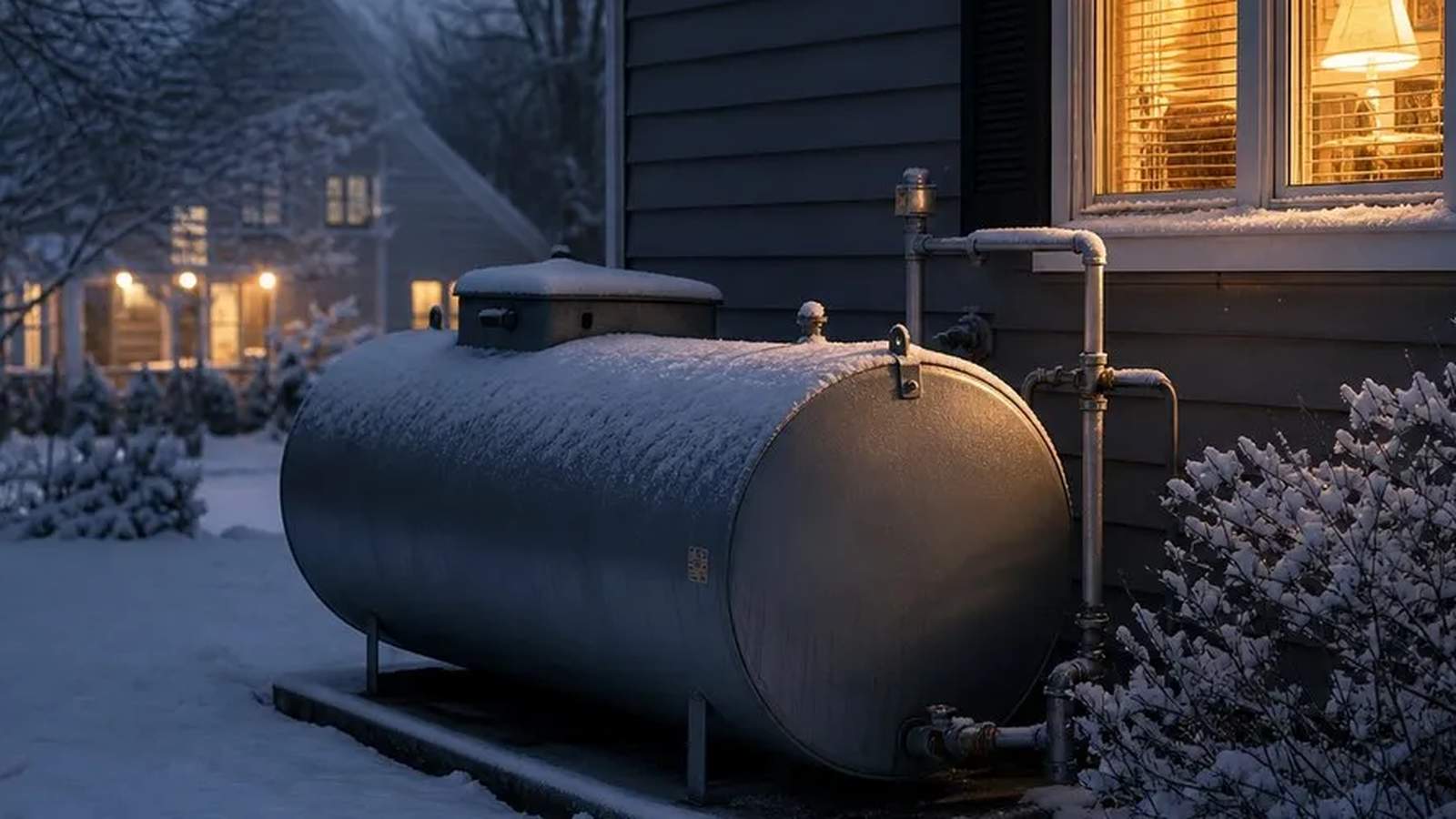
The NEADA report underscores a deeply uneven distribution of these costs, illustrating that the impact of energy inflation is far from uniform. While natural gas prices are expected to remain relatively stable compared to previous years, the situation for households reliant on heating oil is increasingly critical. Approximately 5 million households, primarily located in the northeastern United States and Alaska, face a projected cost surge of up to 70.2%. For these specific families, average seasonal expenses are estimated to reach $2,977, representing a stark increase of $1,223 over 2025 figures, as reported by The Independent. This disparity highlights the specific vulnerability of rural populations and older housing stocks that remain heavily dependent on traditional oil heating systems, leaving them exposed to global market volatility in a way that natural gas consumers are not.
The Impact of Global Conflict and Geopolitical Volatility
The current volatility in domestic energy prices is directly linked to ongoing geopolitical instability, specifically the conflict between the United States and Iran. According to NEADA, restrictions on global fuel supplies have significantly tightened the market, forcing prices upward for several energy sources. Electricity bills are expected to rise by 6%, while propane costs are projected to increase by 5% over the winter season. These figures reflect broader economic trends; federal inflation data from October 2026 indicated that gasoline prices were 37.5% higher than the previous year, an outcome attributed to the same supply chain disruptions and restricted access to global oil reserves that are currently impacting heating markets.
Mark Wolfe, executive director of NEADA, emphasized the severity of the situation during the report’s release, noting that millions of American families are already struggling to maintain current utility payments. With one in six U.S. households currently holding overdue balances, the total national utility debt has reached approximately $23 billion, as noted in reporting by UA.News. The combination of rising fuel prices and existing household debt creates an acute risk of utility shutoffs for low- and middle-income families during the coldest months of the year, potentially triggering a humanitarian concern if heating services are interrupted.
Economic Policy and Cumulative Consumer Pressure
The financial strain on consumers is compounded by broader fiscal policies that limit the flexibility of household budgets. Beyond energy-specific costs, recent data from Yale University’s Budget Lab suggests that tariffs implemented against foreign trade partners have already added an average of $900 per year to household expenses. This cumulative pressure severely limits the discretionary income available to families, making the projected winter heating spikes particularly difficult to absorb. NEADA has formally urged the U.S. Congress to provide emergency assistance to vulnerable households before the full impact of the winter billing cycle is felt, arguing that federal intervention is necessary to prevent a widespread crisis of service disconnections.
The organization’s current projections are slightly lower than their late-September forecast of 8.7%, a downward revision entirely dependent on favorable weather predictions associated with the El Niño climate pattern. However, the persistence of high oil prices has forced a significant upward adjustment in the heating oil category, which had initially been projected to rise by 50% but now stands at a potential 70% increase. In the Northeast specifically, the average heating bill is projected to increase by 16.9%, or $221, rising from $1,311 last winter to $1,532 this winter. This region faces a dual challenge: it holds the largest concentration of heating oil users while simultaneously dealing with some of the highest electricity prices in the United States. As the winter season progresses, the ability of both federal agencies and state-level organizations to provide liquidity and support will be tested against the backdrop of these sustained supply chain constraints.
The economic narrative of the 2026 winter season is one of forced adaptation. Families are being asked to absorb costs that have escalated rapidly due to international tensions, with little room for budgetary error. The reliance on heating oil, in particular, has become a significant liability for millions, shifting from a standard utility expense to a major threat to household financial stability. As NEADA continues to track these metrics, the focus remains on whether government policy can pivot quickly enough to mitigate the fallout for those most exposed to the current energy market turbulence.