


A Cinematic Portrait of Louisiana Politics
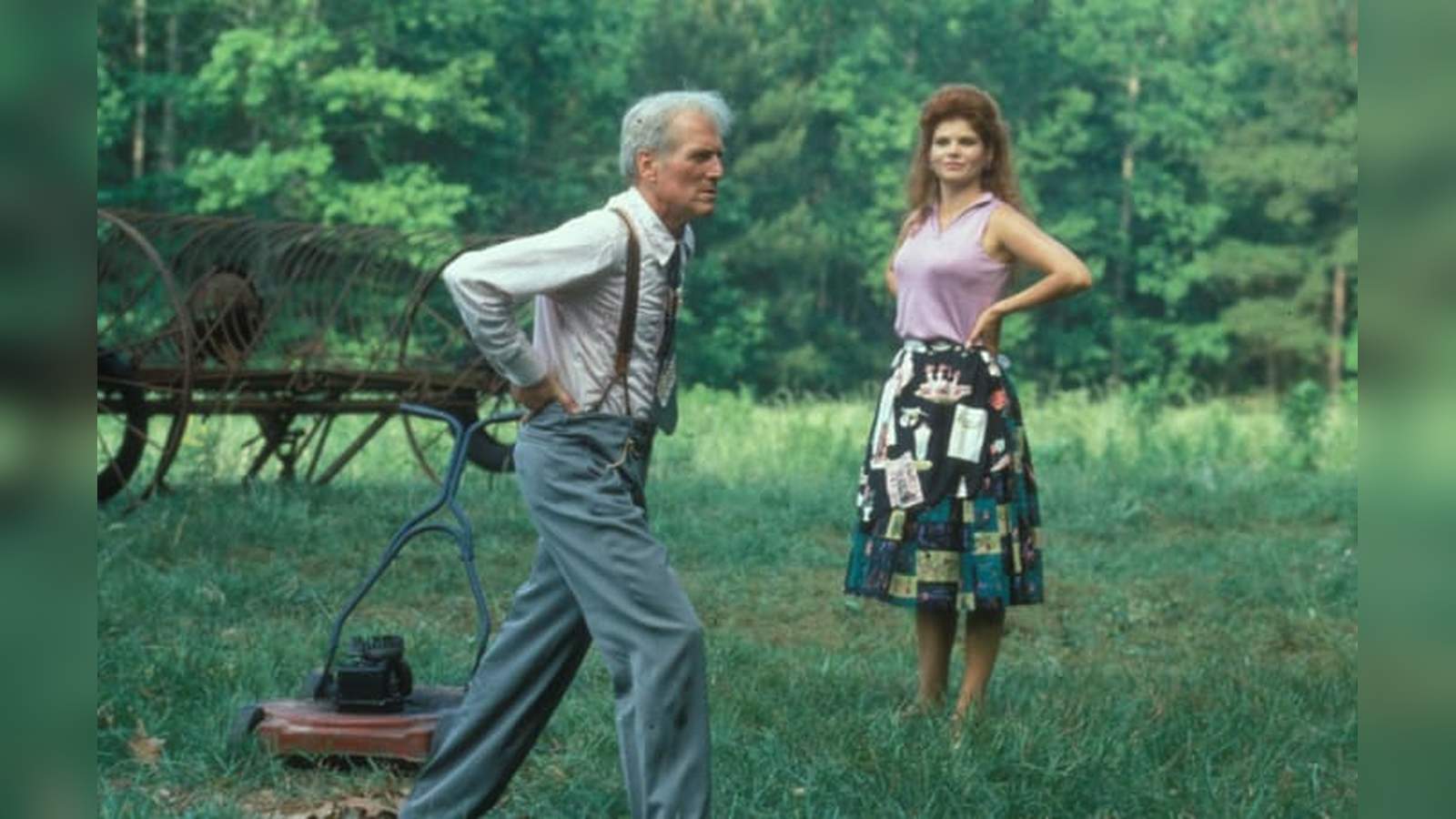
Released on December 13, 1989, Blaze remains a standout entry in the Touchstone Pictures catalog, blending the grit of late-1950s Louisiana politics with the intimate, often chaotic romance between Governor Earl K. Long and burlesque performer Blaze Starr. Directed by Ron Shelton and based on Starr’s 1974 memoir, the film explores the intersection of public duty and private scandal, anchored by performances from Paul Newman and Lolita Davidovich.
The narrative follows Fannie Belle Fleming—who adopts the stage name Blaze Starr—as she navigates the burlesque circuit before arriving in Louisiana. Her subsequent romance with the curmudgeonly, colorful, and powerful Governor Earl Long becomes the central focus of the film. As Long faces re-election challenges exacerbated by his controversial stances on Civil Rights, his relationship with Starr becomes a lightning rod for public and political scrutiny.
This report draws on information published by laughingplace.com.
Performances and Critical Reception
Paul Newman’s portrayal of Earl Long has been widely praised for capturing the governor’s manic energy and political vigor. While the film presents Long as a character of near-cartoonish intensity, critics and historians have noted that Newman’s performance effectively channeled the real-life governor’s blend of insanity and populist appeal. A particularly noted scene occurs on the state house floor, where Newman’s character delivers a scathing critique of his fellow politicians—a moment often cited as the film’s dramatic peak.
Lolita Davidovich, who secured the role after beating out hundreds of other candidates, delivers a performance that frames Starr not as a victim of her circumstances, but as an agent of her own destiny. Her portrayal emphasizes that Starr’s choice to perform was one made with agency, a nuance that helped distinguish the film from typical period dramas of the era.
Historical Accuracy and Creative License
While Blaze is rooted in real events, the film exercises significant creative license. The most notable deviation involves the timeline of Long’s political career. In the film, Long is depicted as dying shortly after winning a seat in Congress. In reality, Earl Long died on September 5, 1960, two months before the election. Having won the primary and running unopposed, he was guaranteed the seat, but he passed away before the general election could take place.
Despite a modest initial box office performance, grossing approximately $19.1 million against a $22 million budget, the film garnered critical recognition. Haskell Wexler received the American Society of Cinematographers award for his work, and the film earned an Oscar nomination for Best Cinematography at the 1990 ceremony.