


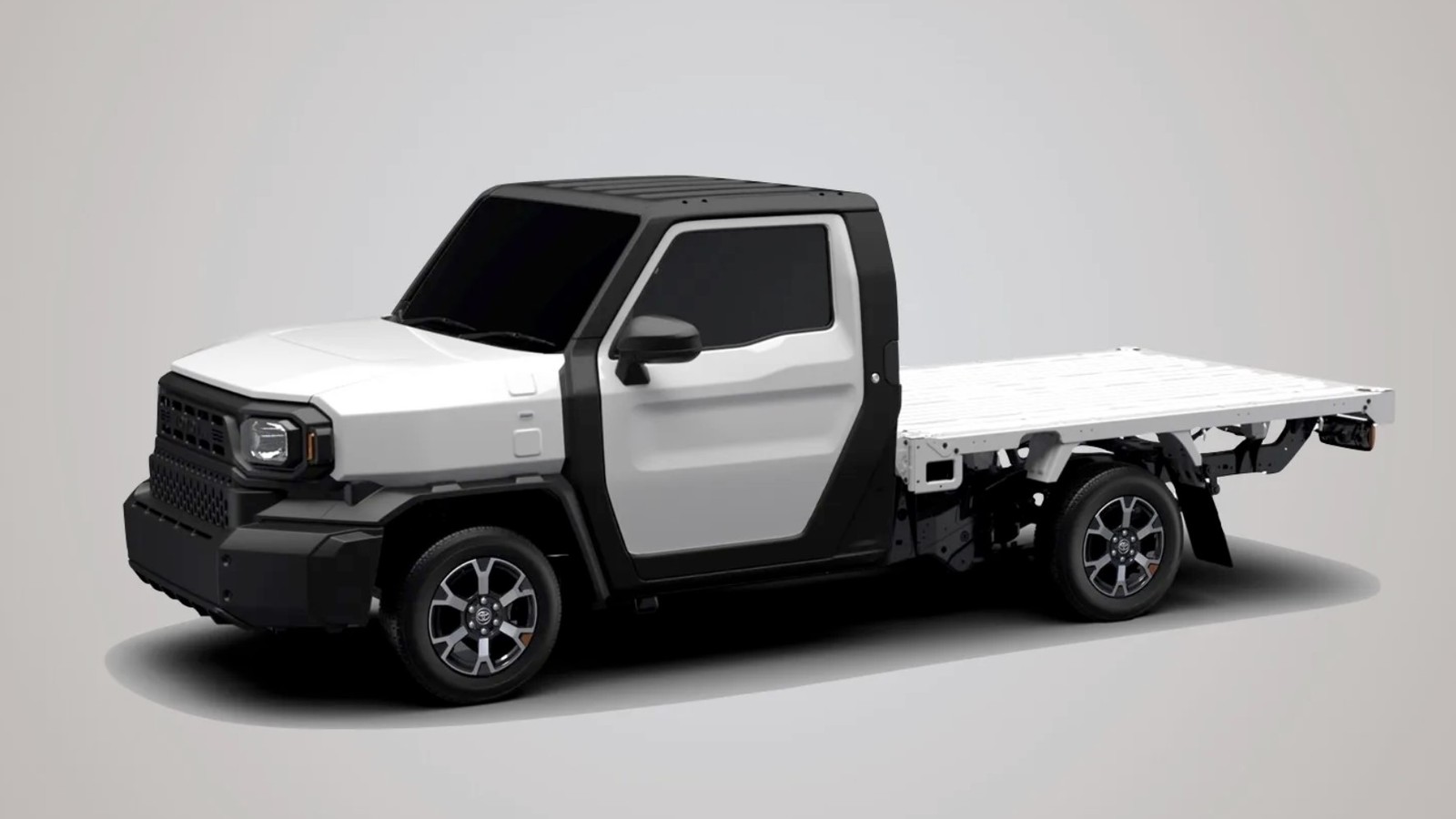
Toyota’s Strategic Pivot with Scion
Toyota officially announced the revival of its dormant Scion sub-brand this week, positioning it as an experimental division dubbed “Scion by Toyota.” The primary objective of this relaunch, as reported by Ars Technica, is to introduce the KEI-01 to the United States market. This move marks a significant shift in Toyota’s North American portfolio, directly addressing a policy push by President Trump, who had previously directed the Department of Transportation to explore the legalization of Japan’s compact “Kei” vehicles.
For years, the U.S. automotive landscape has been dominated by large SUVs and full-size pickup trucks, a trend largely attributed to Corporate Average Fuel Economy (CAFE) standards that historically incentivized the production of larger, higher-margin vehicles. The introduction of the KEI-01 represents a direct challenge to this status quo, offering a vehicle that is drastically smaller and more fuel-efficient than the typical American commuter vehicle.
Defining the Kei Specification
The Kei car category is strictly defined by Japanese regulations, which mandate specific physical and mechanical constraints to ensure urban efficiency. According to the specifications, these vehicles must not exceed 11.2 feet (3.4 m) in length, 4.9 feet (1.5 m) in width, and 6.6 feet (2 m) in height. Mechanically, they are restricted to an engine displacement of no more than 0.66 liters with a power output capped at 63 hp (47 kW).
This design philosophy is starkly different from the average U.S. pickup, which often exceeds 16 feet (4.9 m) in length. In Japan, where vehicle ownership is heavily influenced by the availability of parking and urban density, Kei cars have remained a staple of the automotive industry. Last year alone, Japan recorded sales of nearly 1.7 million Kei vehicles, accounting for a significant portion of the country’s 4.6 million total vehicle sales.
Market Stakes and Regulatory Challenges
The import and operation of Kei trucks in the U.S. have historically been hampered by complex regulatory hurdles, varying significantly by state and local jurisdiction. While the White House has signaled interest in increasing consumer choice through the legalization of these vehicles, the Department of Transportation has yet to provide definitive guidance on a national framework. By resurrecting the Scion brand, Toyota is positioning itself to capitalize on a potential regulatory opening, using the brand as a testbed for non-traditional, compact mobility solutions that deviate from the standard Toyota lineup.