


A Challenging Return to the Global Stage
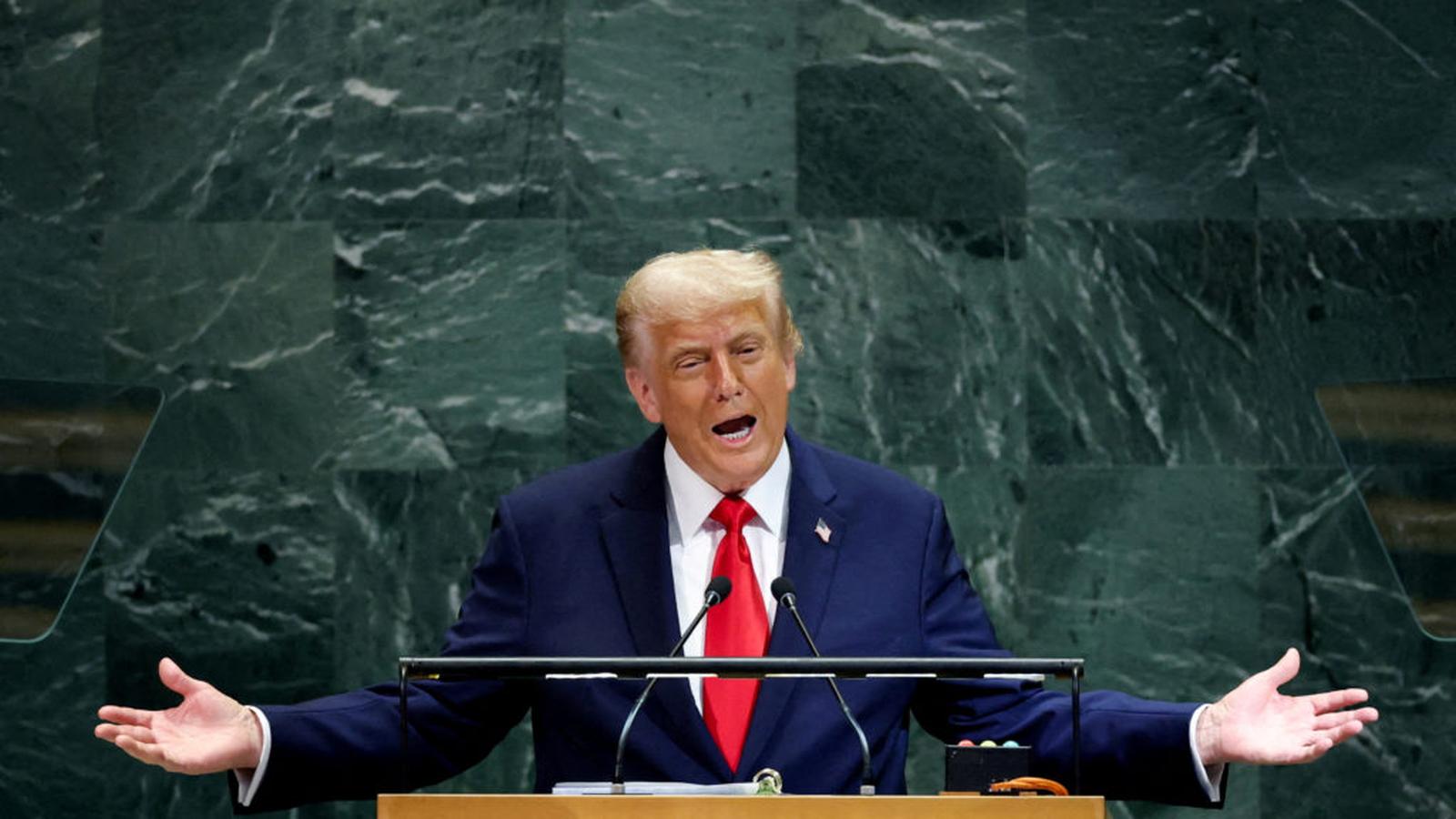
President Donald Trump returned to the United Nations General Assembly on Tuesday, delivering an address that sought to project strength while navigating a tumultuous geopolitical and domestic landscape. The president’s remarks focused heavily on his administration’s ongoing war with Iran, which has now reached its seven-month mark, and his broader foreign policy agenda.
In his address, Trump defended the conflict as a necessary step to neutralize a nuclear threat, despite the significant economic and security complexities it has introduced. “The terrorist regime is behaving badly, not because they are strong and confident, but because they are weak and desperate,” the president stated, according to PBS News. He claimed that the world would soon be free of what he termed a “51-year menace.”
The Iran War and Economic Stakes
The conflict in Iran remains a central point of tension for the administration. While the U.S. and Israel have successfully targeted much of Iran’s top leadership and compromised its military capabilities, the war continues to exert upward pressure on global energy prices. NBC News reported that diesel prices have surged to record highs, with gas prices sitting at an average of $4.47 per gallon—a 50% increase since the onset of hostilities. Trump dismissed these concerns, labeling the elevated costs a “transitory problem” that will subside once the war concludes.
Despite the administration’s claims, international mediators are working to bridge a “deep deficit of trust” between Washington and Tehran. Majed al-Ansari, a spokesman for the Qatari Foreign Ministry, noted at the Concordia Annual Summit that the cost of delay is measured in “dead and destruction.” Secretary of State Marco Rubio suggested that the president remains open to direct negotiations, emphasizing that Trump views engagement as a key tool for problem-solving.
Domestic Friction and Diplomatic Maneuvering
The visit to New York was marked by domestic controversy as much as international policy. Trump used his presence at the U.N. to reiterate his grievances against major media outlets, including CNN, MS Now, and Politico, which have been barred from White House access. The president’s rhetoric at the U.N. scrum remained combative, even as he prepared for a series of high-level meetings with world leaders, including British Prime Minister Andy Burnham and Ukrainian President Volodymyr Zelenskyy.
Beyond the Middle East, the administration is moving forward with a deal to expand the U.S. military footprint in Greenland. The agreement, which involves the construction of two major military bases, follows months of aggressive rhetoric from the White House regarding the territory. While the deal preserves Danish sovereignty, it represents a significant shift in Arctic security posture.
Midterm Outlook and Political Fallout
The war in Iran has become a significant liability for the Republican party ahead of the upcoming midterm elections. Recent polling indicates that a majority of American voters disapprove of the president’s performance, with many citing economic concerns linked to his policies. Trump, however, remains defiant, insisting that he will not allow political cycles to dictate his military strategy, accusing Iranian leadership of stalling for a deal until after the midterms.