


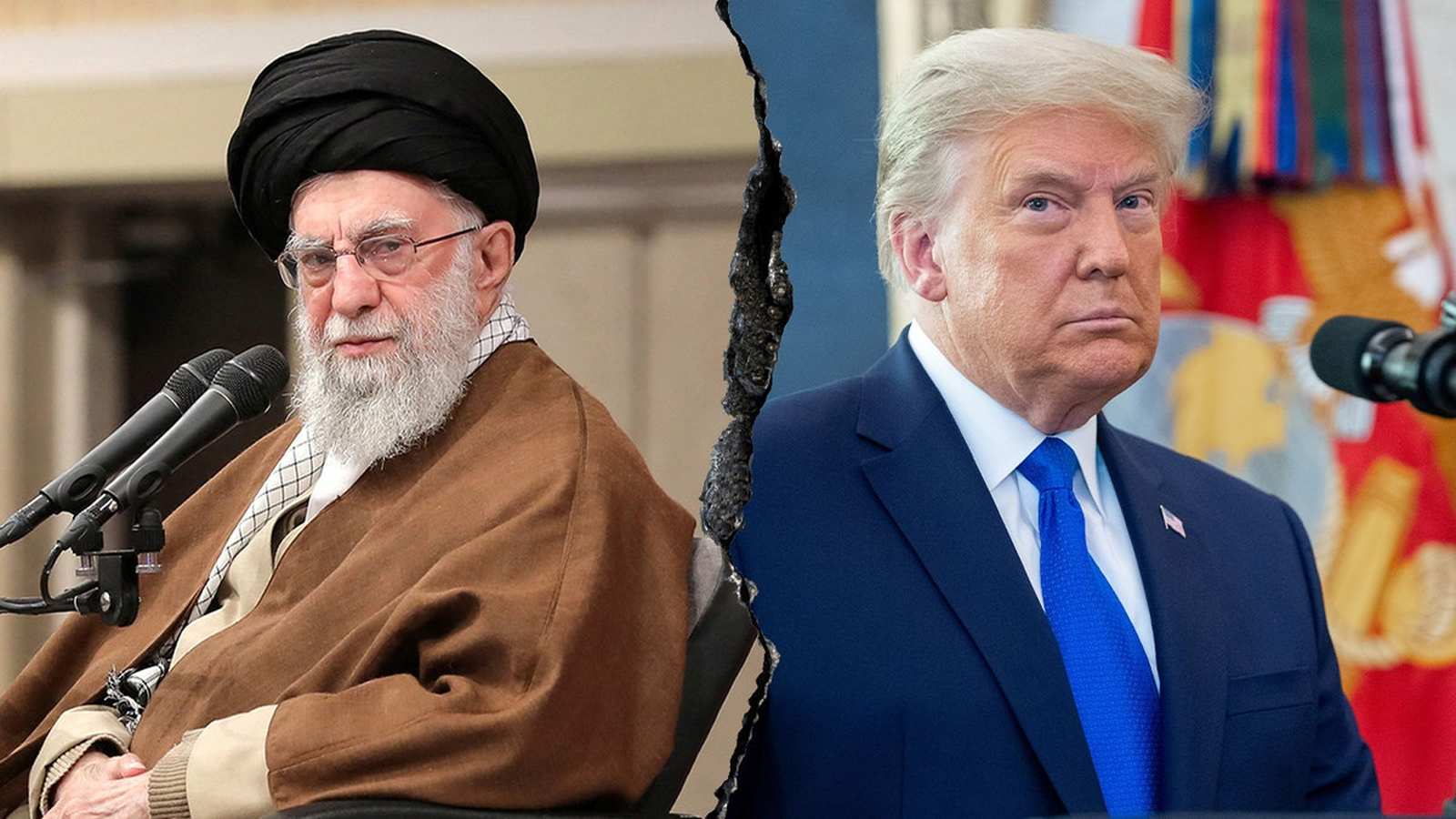
Shifting Post-Election Rhetoric Creates Diplomatic Limbo
President Donald Trump’s conflicting statements regarding the eight-month-old conflict with Iran have left Middle East diplomats and international negotiators struggling to chart a path forward following significant Republican losses in the congressional midterm elections. In a series of broadcast interviews, social media posts, and exchanges with reporters since Election Day on November 3, 2026, the U.S. leader has swung between declaring the war effectively over and warning that American forces remain fully prepared to strike. In an interview published by KOCO, the administration’s fluctuating posture has cast a shadow over ongoing mediation efforts led by Qatar to restore normal traffic through the strategic Strait of Hormuz.
The policy uncertainty deepened when Trump posted a directive on social media declaring that the United States no longer needs a formal deal with Tehran. He instructed Vice President JD Vance — who had served as the administration’s chief negotiator in earlier peace talks — to pivot his attention toward a domestic anti-fraud campaign targeting Democrat-controlled jurisdictions. Regional diplomats speaking on condition of anonymity noted that the public shift caught mediators off guard, particularly as Vance had been weighing a potential reengagement with senior Iranian negotiators to salvage an interim arrangement for Persian Gulf shipping lanes. The presidential directive arrived abruptly, upending weeks of careful preliminary coordination between international mediators and Washington insiders.
Political fallout from the ongoing conflict has resonated deeply across domestic political landscapes as well. Democratic Senator Cory Booker of New Jersey criticized the administration’s erratic approach during a postelection gathering in Denver, characterizing the shifting strategy as an abandonment of coherent foreign policy responsibilities. Meanwhile, analysts note that the administration’s posture reflects a narrowing set of strategic choices following the midterm setbacks, forcing the White House to weigh the political costs of prolonged overseas military entanglements against mounting economic pressures at home.
Strait of Hormuz Security and Regional Stakes
Despite the diplomatic friction, commercial shipping through the Strait of Hormuz continues to face operational hazards. United Nations reporting indicates that October recorded the highest number of security incidents involving commercial vessels in the contested waterway since February. While oil shipments have partially rebounded toward prewar levels, maritime security remains precarious, leaving Gulf nations and international energy markets exposed to renewed disruption if negotiations collapse entirely. Tankers navigating the narrow channel encounter persistent risks, while broader regional dynamics — including renewed hostilities between Saudi Arabia and Houthi forces in Yemen — compound the vulnerability of global energy supply chains.
Administration officials have sought to reframe the President’s approach as a display of economic strength. Secretary of State Marco Rubio argued during a Friday evening address to the Federalist Society, reported by KOCO, that the severe economic damage inflicted on Tehran by U.S. sanctions diminishes the immediate necessity for large-scale military intervention. Rubio emphasized that the administration’s sustained naval blockade and financial restrictions are starving the Iranian regime of vital crude export revenues. However, regional experts point out that this reliance on economic coercion leaves little room for flexible diplomacy, locking both nations into a tense holding pattern.
Meanwhile, Iranian officials have maintained a hardline stance. Addressing the United Nations Security Council on Friday, November 13, 2026, Iran’s deputy U.N. ambassador Gholamhossein Darzi stated that while Tehran has not formally closed the door to diplomacy, any renewal of military strikes by the United States or Israel would meet an immediate and decisive response. Tehran has conditioned any future nuclear discussions on sweeping concessions, including the unfreezing of billions of dollars in overseas assets and the complete lifting of economic sanctions and maritime blockades — terms that Washington has repeatedly dismissed as unacceptable.
Upcoming International Engagements and Strategic Outlook
The unresolved conflict is expected to dominate diplomatic discussions during President Trump’s upcoming trip to Asia for the Asia-Pacific Economic Cooperation meetings in Shenzhen, China. White House and diplomatic schedules indicate that Trump is slated to hold a high-stakes three-way summit with Chinese President Xi Jinping and Russian President Vladimir Putin, where the leaders are anticipated to discuss regional security, Iran, and respective nuclear stockpiles. As international mediators await formal clarification from Washington, analysts emphasize that the future of Persian Gulf security hinges on whether the White House pursues renewed diplomatic engagement or relies solely on ongoing economic pressure.
Michael Singh, managing director at the Washington Institute for Near East Policy, observed that maintaining the current status quo remains an attractive default strategy for the White House, avoiding the political hazards of military escalation while keeping the economic squeeze active. Nonetheless, the fragile equilibrium in the Persian Gulf remains susceptible to sudden escalation. With both military forces maintaining an active posture and diplomatic channels clouded by mixed messaging from Washington, regional stakeholders continue to navigate an unpredictable strategic environment with few clear avenues toward a lasting political settlement.