


New AI chip export rules and leadership uncertainty
On Monday, November 16, 2026, the administration of President Donald Trump introduced rigorous new export restrictions targeting advanced artificial intelligence chips destined for data centers in Singapore, Thailand, Malaysia, Indonesia, and Brazil. As reported by the BBC, these measures are explicitly designed to close loopholes that have previously allowed Chinese entities to acquire high-performance semiconductors necessary for training large-scale AI models. This regulatory shift, intended to tighten the security of the global semiconductor supply chain, arrives amidst a period of profound instability at Nvidia, the world’s second-largest publicly traded company, following the sudden resignation of cofounder and CEO Jensen Huang on November 12, 2026.
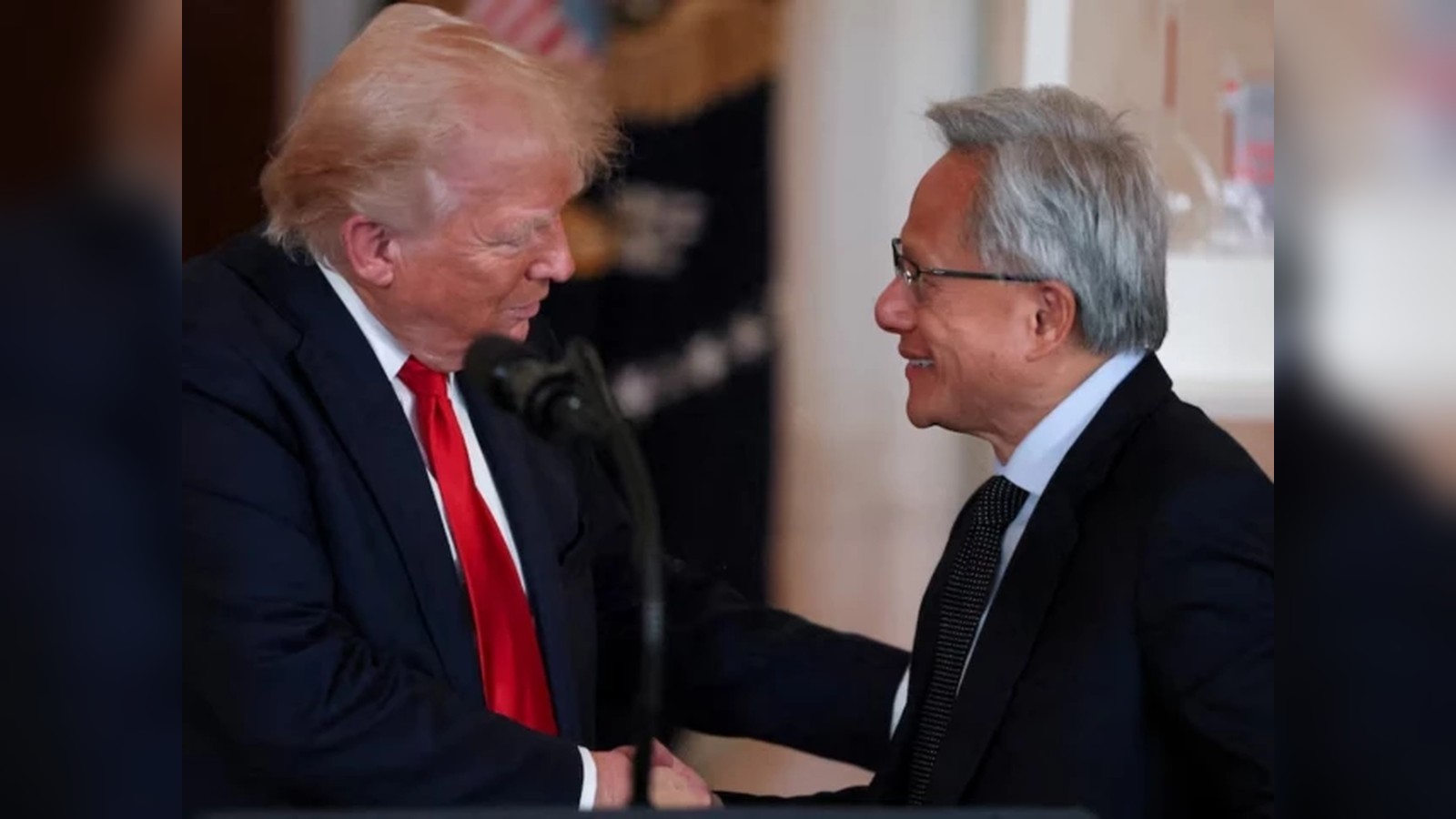
The policy move coincides with a highly public and controversial campaign to reinstate Huang. Despite his departure being triggered by personal scandals and allegations of ties to a suspected Chinese intelligence operative, President Trump publicly signaled support for Huang’s return on November 16, 2026. Speaking to reporters ahead of his trip to Asia, as noted by the Express Tribune, Trump stated that he would not oppose Huang’s reinstatement, suggesting the executive had learned from the controversy. This intervention creates a direct, escalating conflict between political pressure from the White House and the independent governance priorities of the Nvidia board, which has remained largely resistant to re-appointing the former chief.
Trump expands chip restrictions and the ‘Bring Jensen Back’ movement
A grassroots campaign to restore Huang to his former position has gained significant momentum, evolving into a test of corporate loyalty versus national security protocols. According to the latest figures, an online petition calling for his return has secured over 180,000 signatures. The list of supporters includes prominent technology industry leaders such as Tesla and SpaceX CEO Elon Musk, Epic Games CEO Tim Sweeney, and Replit CEO Amjad Masad. This movement, while reflecting broad support within the tech ecosystem, faces significant institutional hurdles. The Mother Jones report indicates that Huang has actively discussed the possibility of a comeback with confidants, even as the board navigates the logistical and reputational fallout of his exit. The tension between political intervention and corporate governance risks destabilizing Nvidia’s leadership transition and its long-term global AI strategy. The Trump administration’s decision to broaden export controls underscores the high stakes involved in the semiconductor supply chain. By restricting data centers in Southeast Asia and South America, the administration is attempting to prevent the illegal diversion of technology to China, a strategy that directly impacts Nvidia’s operational model. The controversy involving Alice Huang—the executive at the Singapore-based firm Megaspeed—remains a central point of contention. While President Trump dismissed concerns that Jensen Huang’s relationship with her posed a national security risk, the administration’s new export rules reflect a hardening stance on the very technology channels that critics argue were exploited during the previous leadership tenure.
Corporate governance under pressure
Nvidia is currently operating under interim leadership, with Chief Financial Officer Colette Kress managing daily operations while the board conducts a search for a permanent successor. The public support from figures like Musk and the explicit endorsement from the White House place the Nvidia board in an unprecedented position. They must balance the demands of influential shareholders and political leaders against the necessity of addressing the serious allegations that prompted Huang’s departure. As the board prepares for its next series of briefings, the path forward remains highly uncertain, with market observers watching closely to see if the pressure for reinstatement will force a change in the company’s current succession plan. The internal investigation, led by an independent law firm, is currently tasked with determining whether Huang was compromised by foreign intelligence efforts. Despite this, supporters argue that Huang’s deep, long-standing relationships with key suppliers like TSMC are essential for the company’s survival. Conversely, Treasury Secretary Scott Bessent has advocated for an external hire, reflecting a divide within the administration itself regarding how to best secure the firm’s future. The potential for a prolonged power struggle between the board and political allies of the former CEO threatens to disrupt the stability of the AI sector, as Nvidia remains the primary engine for advanced model training worldwide. With the company’s stock volatility following these reports, the board faces a critical deadline to regain investor confidence without alienating the powerful coalition of tech titans currently lobbying for Huang’s return to the Silicon Valley giant.
Geopolitical stakes and the future of AI infrastructure
The intersection of the “Bring Jensen Back” campaign and the administration’s new export restrictions highlights the fragile nature of the current AI boom. As Nvidia serves as the backbone for both domestic and international AI infrastructure, the leadership vacuum created by Huang’s exit has left a void in critical decision-making. The board’s resistance, while grounded in the need for corporate due process, faces the harsh reality of a market that has grown accustomed to Huang’s singular leadership style. The involvement of the FBI in the ongoing investigation into his ties to China further complicates the board’s decision-making process. Meanwhile, the administration’s pivot to stricter oversight of data centers in the Global South suggests that regardless of who leads Nvidia, the company will face a more restrictive regulatory environment moving forward. The future of Nvidia depends not only on the outcome of the board’s internal deliberations but also on its ability to navigate the shifting geopolitical landscape where chips have become the primary currency of national security. As the firm prepares for its next earnings release, all eyes remain on whether the board will cave to the immense pressure from Washington and the tech elite, or whether it will hold firm in its commitment to a leadership transition aimed at mitigating the risks exposed by the recent scandals. The outcome will likely redefine the relationship between Silicon Valley and the federal government for years to come.