


New Allegations and Declassified Intelligence
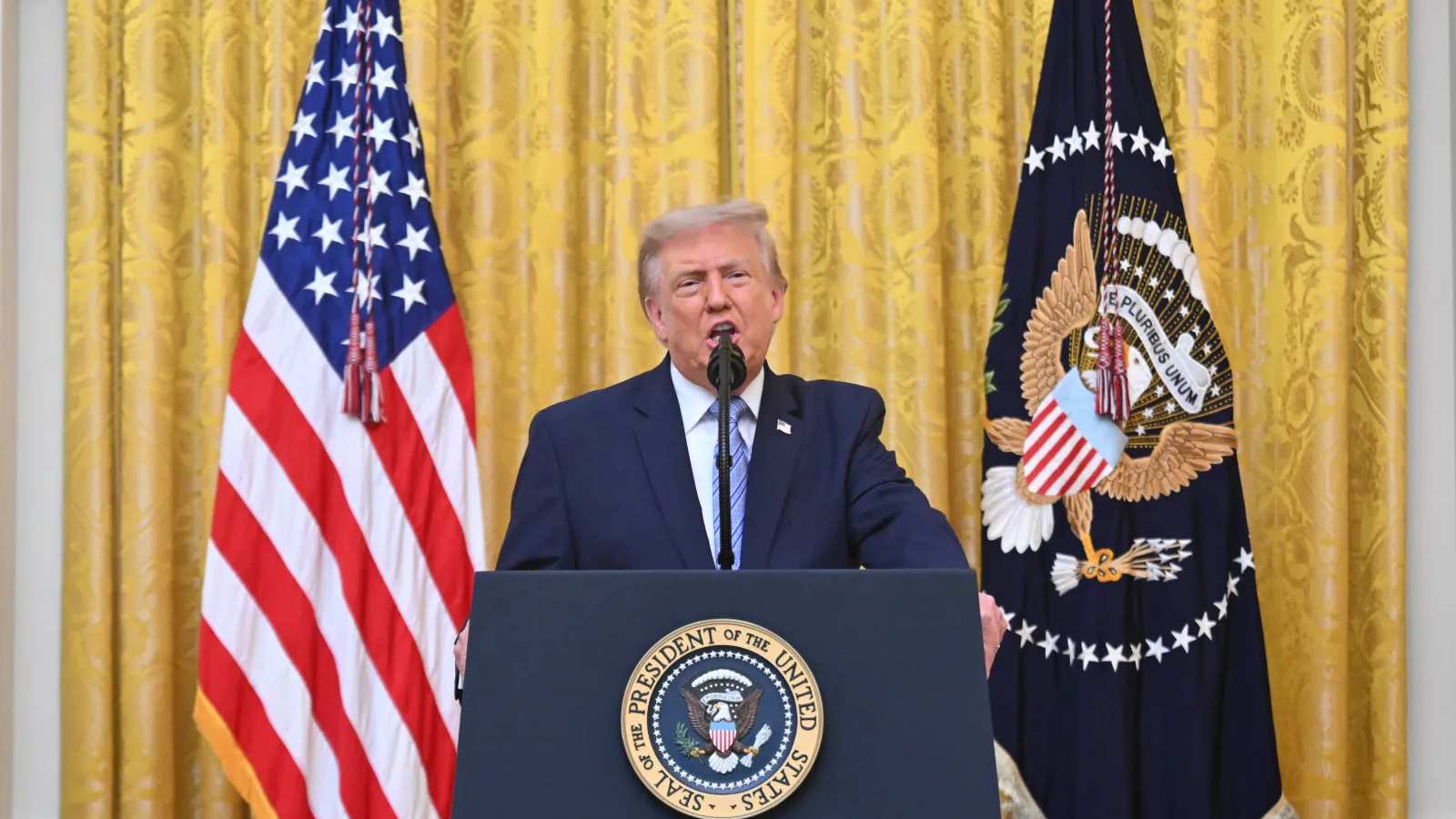
President Donald Trump has released hundreds of pages of previously classified intelligence documents, alleging that foreign actors—specifically China and Russia—engaged in efforts to influence the 2020 U.S. presidential election. The documents were presented during a primetime address in which the President argued that Beijing sought to undermine his reelection campaign through cyber activities and the illicit acquisition of voter data.
According to the White House, the released materials include intelligence analysis and internal correspondence. One CIA memo from mid-2020 identified Chinese state-sponsored cyber actors targeting Joe Biden’s campaign for intelligence gathering. However, the same document noted that the intelligence community assessed at the time that China did not intend to covertly sway the election outcome. Conversely, a National Intelligence Council assessment highlighted that Russian actors utilized various measures to denigrate the Biden campaign while attempting to boost Trump’s candidacy.
Contradictions and Institutional Scrutiny
The release has prompted immediate pushback from lawmakers and security experts. Critics point out that the provided documents do not support the President’s broader claims that the 2020 election results were altered by fraud. A 2021 report by the U.S. National Intelligence Council previously concluded with “high confidence” that China did not interfere in the 2020 presidential election. The Cybersecurity and Infrastructure Security Agency (CISA) has consistently maintained that the 2020 contest was the most secure in American history.
Democratic leaders, including Senator Chuck Schumer, have characterized the allegations as unsubstantiated conspiracy theories aimed at sowing doubt ahead of the November midterm elections. The controversy coincides with significant structural changes within the federal election security apparatus. Reports indicate that CISA has seen a reduction in its workforce, and the administration has recently taken steps that include the removal of members from the U.S. Election Assistance Commission and the disbanding of an FBI task force dedicated to investigating foreign influence.
Political Stakes
The timing of these disclosures is being viewed through the lens of the upcoming midterms, which will determine the balance of power in Congress. President Trump is currently pushing for more restrictive voting laws, citing the need to address vulnerabilities highlighted by his administration’s review of these files. While the President argues these measures are necessary to safeguard democracy, opponents suggest the strategy is designed to suppress voter turnout and erode public confidence in the electoral process.
As the review of the heavily redacted documents continues, the administration faces mounting pressure to clarify the evidence behind claims that voter data in 18 states was compromised. Meanwhile, the Chinese Foreign Ministry has dismissed the allegations as “malicious smears” that have long been proven groundless.