


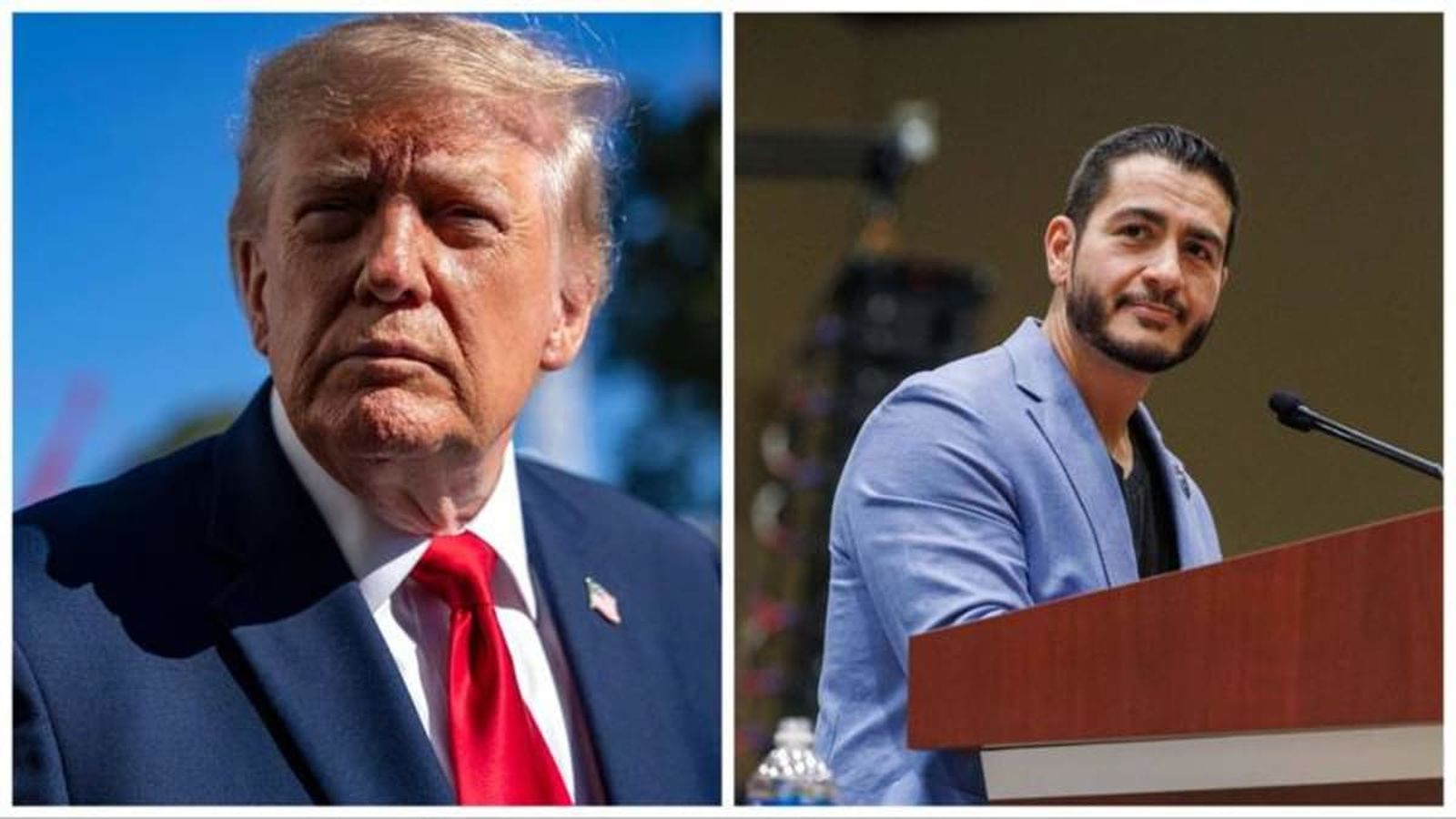
On Saturday, November 21, 2026, U.S. President Donald Trump shared a proposal on TRT World by Michigan Democratic Senator-elect Abdul El-Sayed to establish a universal health care system. Without adding written commentary, Trump reposted a screenshot on his Truth Social platform featuring a November 12 social media message from El-Sayed, which included conceptual mock-ups of a gold-colored health insurance card bearing the president’s name and signature.
The social media share occurred hours after Trump expressed interest in reaching bipartisan agreements with Democrats on health care following their midterm election victories, as reported in an article published by AOL. The plan, dubbed “TrumpCare” by its author, is modeled on a single-payer approach akin to Medicare for All, designed to replace most private health insurance with government-funded coverage.
The ‘TrumpCare’ Proposal and Branding Strategy
Senator-elect Abdul El-Sayed, a physician who campaigned on a progressive platform, structured the universal health care proposal around personalized branding to appeal to the president. The proposed insurance card is styled in gold, echoing the aesthetics of the administration’s separate Trump Gold Card immigration program for wealthy foreign nationals.
In his original social media messaging on X, El-Sayed directly appealed to the executive branch, writing, “Donald, this is on the table. Guarantee healthcare for every American, from cradle to grave.” El-Sayed later promoted the concept in a November 17 video statement, telling viewers that the public desires accessible healthcare and suggesting the president could attach his name to the initiative to achieve wide popularity.
The single-payer model proposed by El-Sayed aims to guarantee medical access throughout a person’s life without premiums, deductibles, or copayments. Following Trump’s repost, the senator-elect responded on X with, “Let’s get to work, then. Ready when you are,” and additionally invited the president to discuss the framework further. El-Sayed also told FOX 2 Detroit that he was prepared to work alongside congressional leaders including Senators Chris Van Hollen, Bernie Sanders, Ron Wyden, and Elizabeth Warren if the administration decided to pursue guaranteed universal coverage.
White House Stance and Legislative Stakes
Despite the widespread political attention generated by the social media share, neither President Trump nor the White House has confirmed an official change in administrative policy. The White House previously pushed back against El-Sayed’s universal health care framework. Spokeswoman Allison Schuster criticized the initiative, stating that it “should really be called ‘Medicare for None’” because it undermines access to existing medical care and represents a government takeover of the medical sector.
The repost therefore creates an apparent contrast with previous administration messaging, though analysts note it falls short of a formal legislative endorsement or agreement. Democrats are preparing to assume control of both chambers of Congress on January 3, 2027, following their midterm election victories. While Trump has indicated an openness to negotiating with the incoming congressional majority on healthcare and other legislative priorities, he maintains veto authority over bills he opposes.
The intersection of progressive single-payer policy proposals and executive branch engagement highlights the shifting dynamics in Washington as lawmakers prepare for the upcoming congressional term. While El-Sayed continues to leverage personalized branding concepts to draw attention to the single-payer model, the ultimate trajectory of health care reform remains subject to intense legislative debate and the official positions of the executive and legislative branches.