


A New Frontier in Domestic Robotics
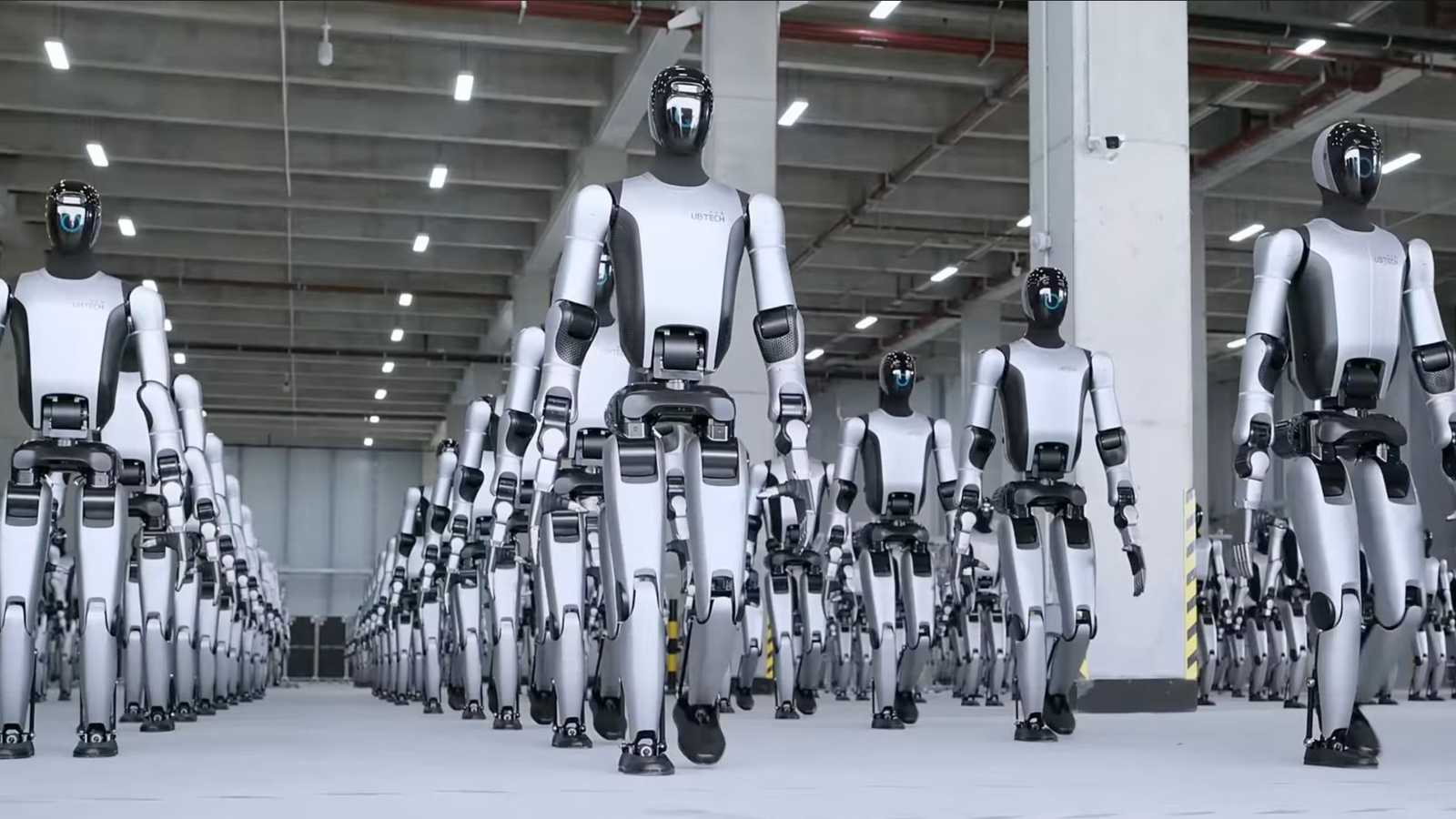
Chinese robotics firm Ubtech has officially entered the consumer market with its Uworld U1 series, marketed as the world’s first full-size, mass-produced “ultrabionic” companion robot. While China has established itself as a global hub for industrial robotics, the U1 series marks a pivot toward the home environment, aiming to address the growing global issue of social isolation.
The U1 series, which debuted in mid-July 2026, includes three distinct models: the U1 Lite (semi-torso), the U1 Pro, and the high-dynamic U1 Ultra. Standing between 163 cm and 183 cm and weighing up to 42 kg, the robots feature 88 servo joints and silicone skin designed to mimic human tactile sensations, complete with pores and wrinkles.
From Ambitious Promises to Focused Companionship
During the development phase, Ubtech’s marketing material suggested the robots would be capable of performing household chores, caring for the elderly, and even walking pets. However, upon the official market release, the company’s messaging narrowed significantly, focusing almost exclusively on emotional companionship.
This shift has drawn scrutiny from tech analysts and potential consumers alike. The robots rely on advanced AI to process gaze, vocal tone, and facial expressions to facilitate conversation. Despite these claims, early demonstrations highlighted significant technical hurdles. Observers noted lengthy response times—often lasting tens of seconds—which created awkward pauses during interactions. While Ubtech claims a speech-to-lip synchronization latency of under 20 milliseconds, the cognitive processing time remains a primary point of friction.
Market Stakes and Economic Impact
Pricing for the U1 series ranges from 119,800 RMB to 990,000 RMB (approximately $17,655 to $145,717 USD). Despite the premium cost, which rivals that of high-end vehicles, Ubtech reported over 13,000 orders on the day of the launch. Industry observers have noted, however, that a significant portion of these orders originated from government procurement programs and demonstration halls rather than individual households.
The product also raises broader ethical questions regarding the reliance on artificial companions. Critics argue that “always loyal” AI entities could potentially distort human expectations of interpersonal relationships, creating an unhealthy dependency on machines that never challenge or argue with their users.