


Calls for Urgent Diplomatic Intervention
British Prime Minister Andy Burnham is facing mounting pressure to intervene directly with European Union leaders to suspend the bloc’s new Entry-Exit System (EES). The call comes as approximately 2.2 million British holidaymakers prepare for travel between Friday and Monday, marking the start of the peak summer getaway period following the closure of schools across the UK.
Calum Miller, foreign affairs spokesperson for the Liberal Democrats, issued the plea while speaking at Heathrow Airport on Friday. Miller characterized the EES—which mandates that non-EU citizens register, be photographed, and provide fingerprints upon arrival—as a “bungled, malfunctioning border system.” He urged the Prime Minister to reach out to individual EU leaders to secure a suspension of the biometric requirements until at least September to protect travelers from potential disruption.
Operational Realities and Regional Variations
While the EES has been technically in effect since April, border authorities have frequently exercised flexibility, opting to relax requirements during periods of extreme congestion to maintain flow. Despite this, some passengers have reported missing flights, while others have faced multi-hour waits at various entry points.
The implementation of the system remains inconsistent across the continent. Greece, for example, has indicated it will not impose the additional biometric checks on UK nationals, who constitute a significant portion of its tourism market. Conversely, technical difficulties have hindered the functionality of automated kiosks in France, creating localized bottlenecks.
The UK government maintains that it is monitoring the situation closely. Transport Secretary Heidi Alexander has engaged in discussions with EU commissioners and her French counterparts to address these concerns. A government spokesperson stated, “While the new EES checks are a matter for the EU, we recognise this is a significant change for British travellers and are doing everything we can to get people away on their summer holidays with as little hassle as possible.”
Logistical Measures at Key Transit Hubs
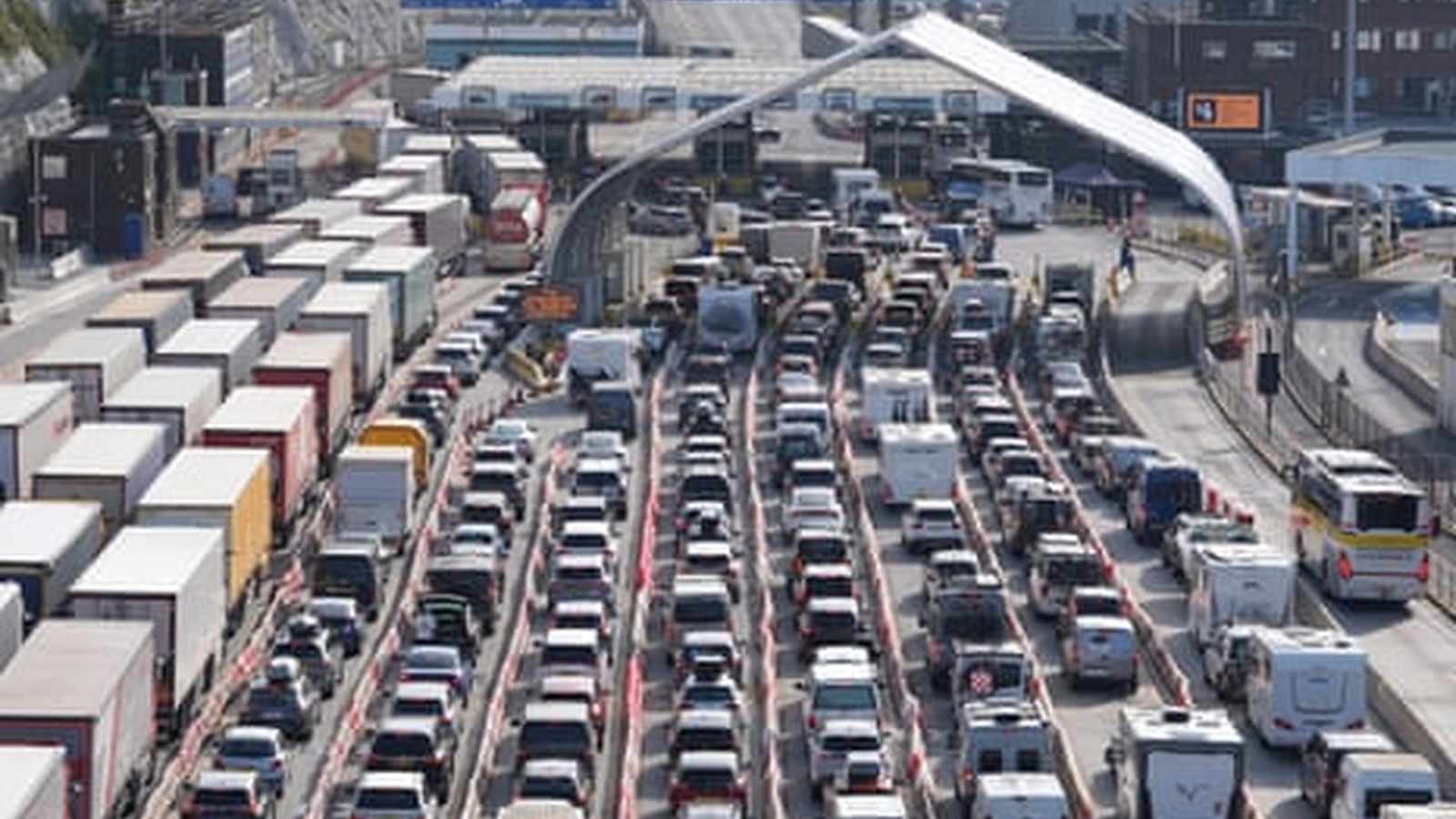
In anticipation of the peak weekend, the UK government has provided funding to manage traffic and EES facility operations at the Port of Dover. French border police, operating within the UK, have opted against fingerprinting or photographing car passengers at ferry terminals and the Eurotunnel. This decision has allowed cross-Channel traffic to proceed with minimal delays; the Port of Dover reported that queueing times have remained between 10 and 40 minutes, despite the high volume of over 10,000 additional vehicles.
However, industry bodies remain cautious. EasyJet has formally requested that the EU extend the current flexibility period until the end of October. Mark Tanzer, chief executive of the travel association Abta, has advised passengers to allocate significantly more time for their journeys, noting that for many, this summer will be their first experience navigating the EES protocols.