


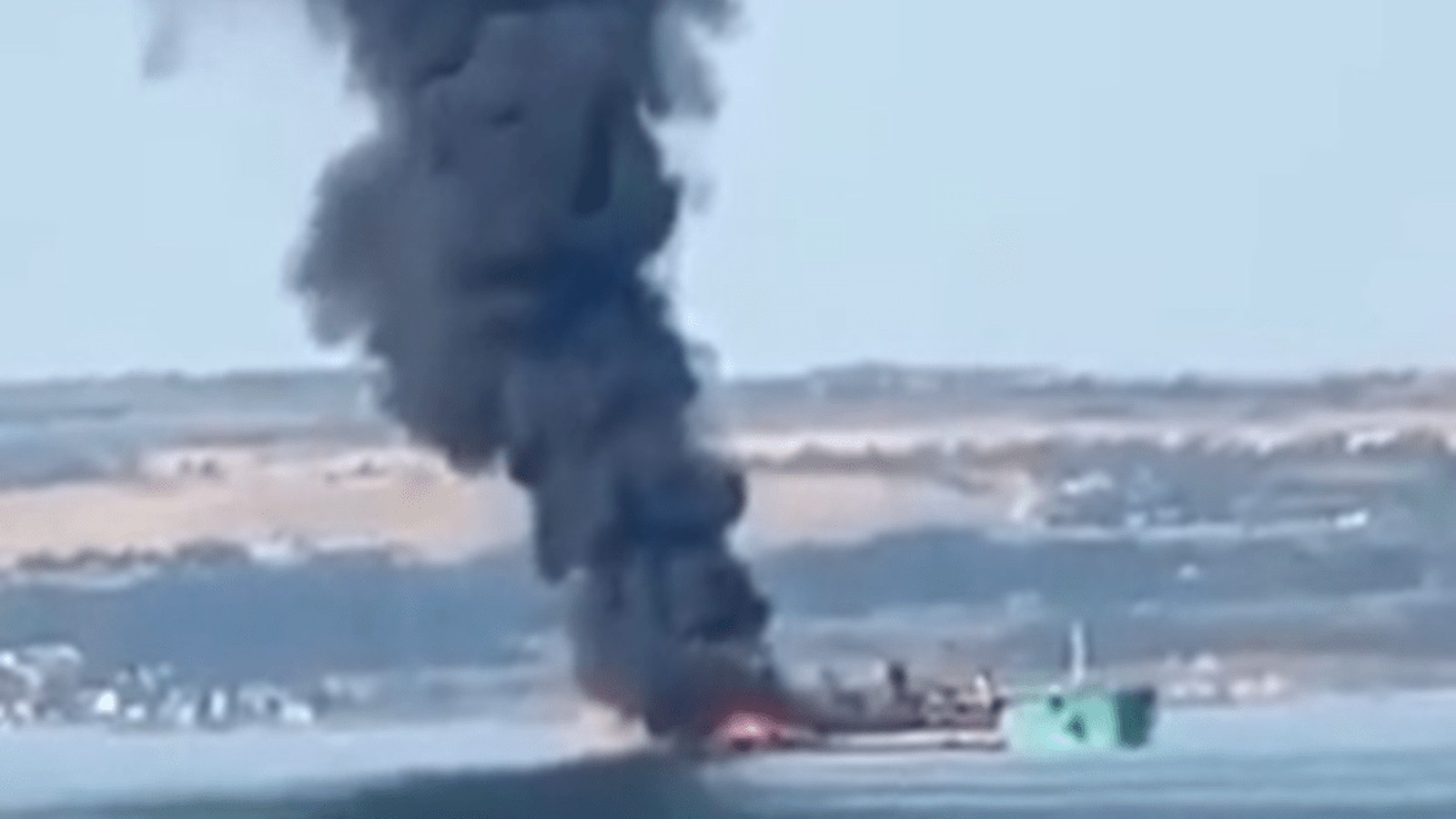
Strategic Disruption in the Sea of Azov
Ukraine has significantly escalated its maritime drone campaign, claiming strikes on 136 vessels in the Sea of Azov between July 6 and July 15. Robert Brovdi, commander of Ukraine’s Unmanned Systems Forces, confirmed that the campaign is specifically targeting Russia’s “shadow fleet”—vessels used to bypass international sanctions and sustain Moscow’s war effort. The intensity of these strikes has forced the Russian transport ministry to consider rerouting cargo, with maritime traffic in the region dropping from 132 ships on July 6 to just 43 by July 12.
Isolating Crimea
Rather than targeting the Kerch Bridge, Ukrainian forces are focusing on systematically destroying the logistical routes that support the Russian occupation of Crimea. By striking tankers, gas carriers, and tugboats, Kyiv is effectively isolating the peninsula through sea denial. Military analysts note that Ukraine has successfully established this control using unmanned systems, despite the area being one of the most heavily defended maritime zones in the Black Sea littoral.
Heightened Security Risks on NATO’s Eastern Flank
As maritime tensions rise, NATO members in the Baltic region have raised alarms regarding potential Russian hybrid threats. Latvian President Edgars Rinkevics stated on Wednesday that intelligence from Lithuania, Latvia, and other allies indicates a concerted effort by Russia to conduct sabotage operations against critical infrastructure. Lithuanian President Gitanas Nauseda confirmed that security around energy and transport sites in his country has been tightened as a precaution. While the Kremlin has dismissed these reports as “scare stories,” the heightened state of readiness across the Baltic states underscores the growing concern that battlefield setbacks in Ukraine may prompt Moscow to expand its hybrid warfare tactics.