


The Robotic Shift on the Front Lines
As the conflict in Ukraine enters its fifth year, the operational landscape of the battlefield has shifted from reliance on aerial drones to a sophisticated integration of Unmanned Ground Vehicles (UGVs). Located in the Kharkiv region, specialized training facilities are now dedicated to the deployment of these ‘land drones,’ which are increasingly performing tasks traditionally reserved for infantry. According to reports from the 10th Army Corps’ robotics school, these vehicles—ranging from small reconnaissance platforms to large, autonomous logistics wagons—are designed to compensate for Ukraine’s demographic disadvantages against a numerically superior adversary.
The Brave1 initiative, a government-backed platform for defense innovation, has seen UGV development account for nearly 40% of its recent grants. Currently, approximately 270 manufacturers are producing over 550 distinct UGV models. While 90% of current tasks are logistical—such as supply delivery and medical evacuation—the strategic goal is to minimize human exposure to frontline hazards. As noted by Taras Ostapchuk, CEO of Ratel Robotics, a single UGV can replicate the logistical capacity of multiple soldiers, thereby preserving human life in contested zones.
Escalation and Nuclear Sensitivity
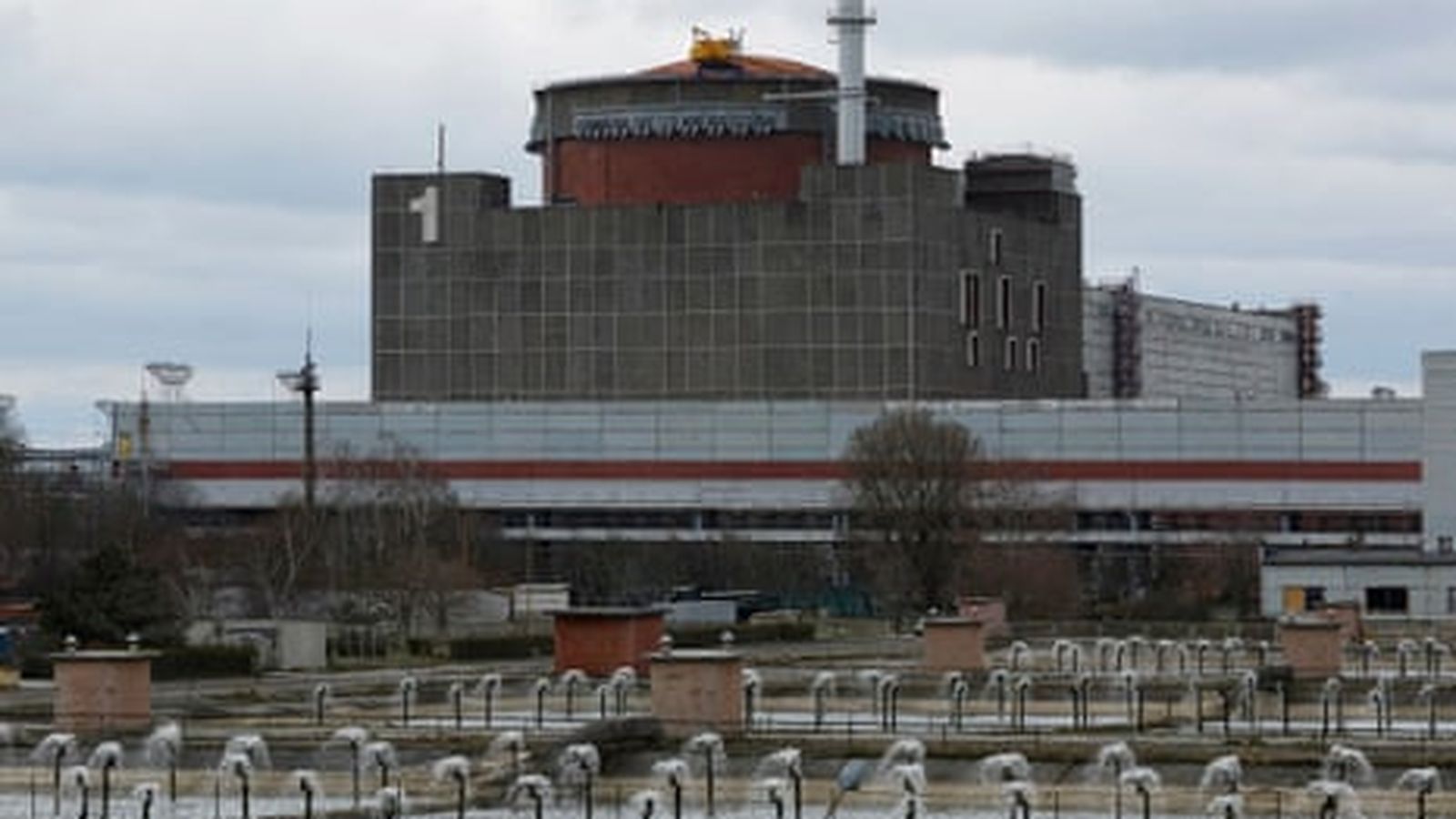
While the integration of robotics aims to provide a tactical advantage, the reliance on drone technology has simultaneously heightened regional security risks. Over the past weekend, tensions reached a critical point following reports of a drone strike near the Zaporizhzhia nuclear power plant. Rosatom, Russia’s state nuclear corporation, alleged that a Ukrainian drone caused structural damage to a turbine hall wall at reactor 6. Kyiv has categorically denied these allegations, characterizing the claims as a ‘propaganda ploy’ intended to escalate nuclear blackmail.
The International Atomic Energy Agency (IAEA) has expressed profound concern, with Director General Rafael Grossi warning that military activity near nuclear sites is ‘like playing with fire.’ This incident occurs against a backdrop of intensifying drone warfare, with Ukraine’s Air Force reporting the interception of over 200 Russian drones in a single night, while simultaneously launching its own strikes against Russian oil infrastructure, including facilities in Saratov and the Kirov region.
Strategic Implications
The dual trends of UGV proliferation and the escalation of long-range strikes illustrate a war of attrition defined by rapid technological adaptation. The Russian military’s reported interest in capturing and replicating Ukrainian UGV technology underscores the high stakes of this innovation race. Simultaneously, the continued strain on air defense resources, as highlighted by President Zelenskyy’s recent appeals for Patriot systems, suggests that the demand for defensive parity remains the primary driver of Ukraine’s military policy. The intersection of autonomous ground operations and sensitive nuclear infrastructure suggests that the conflict is entering a phase where the margin for error is increasingly thin, necessitating a more rigorous approach to international oversight and military restraint.
The institutionalization of UGV technology reflects a pragmatic adaptation to the realities of a protracted conflict, yet the concurrent rise in drone-related incidents near nuclear facilities indicates that the technological advancement of the war is outpacing the development of diplomatic or safety protocols. For Ukraine, the prioritization of robotic systems is not merely a force multiplier but a fundamental strategy for human capital preservation. However, as the conflict expands to include strikes against deep-territory energy infrastructure and sensitive industrial sites, the strategic benefit of these technologies must be balanced against the risk of catastrophic escalation, particularly as international actors like the IAEA struggle to enforce safety perimeters in a theater of total war.