


US Negotiators Raise Territorial Trade-Off in Abu Dhabi Talks
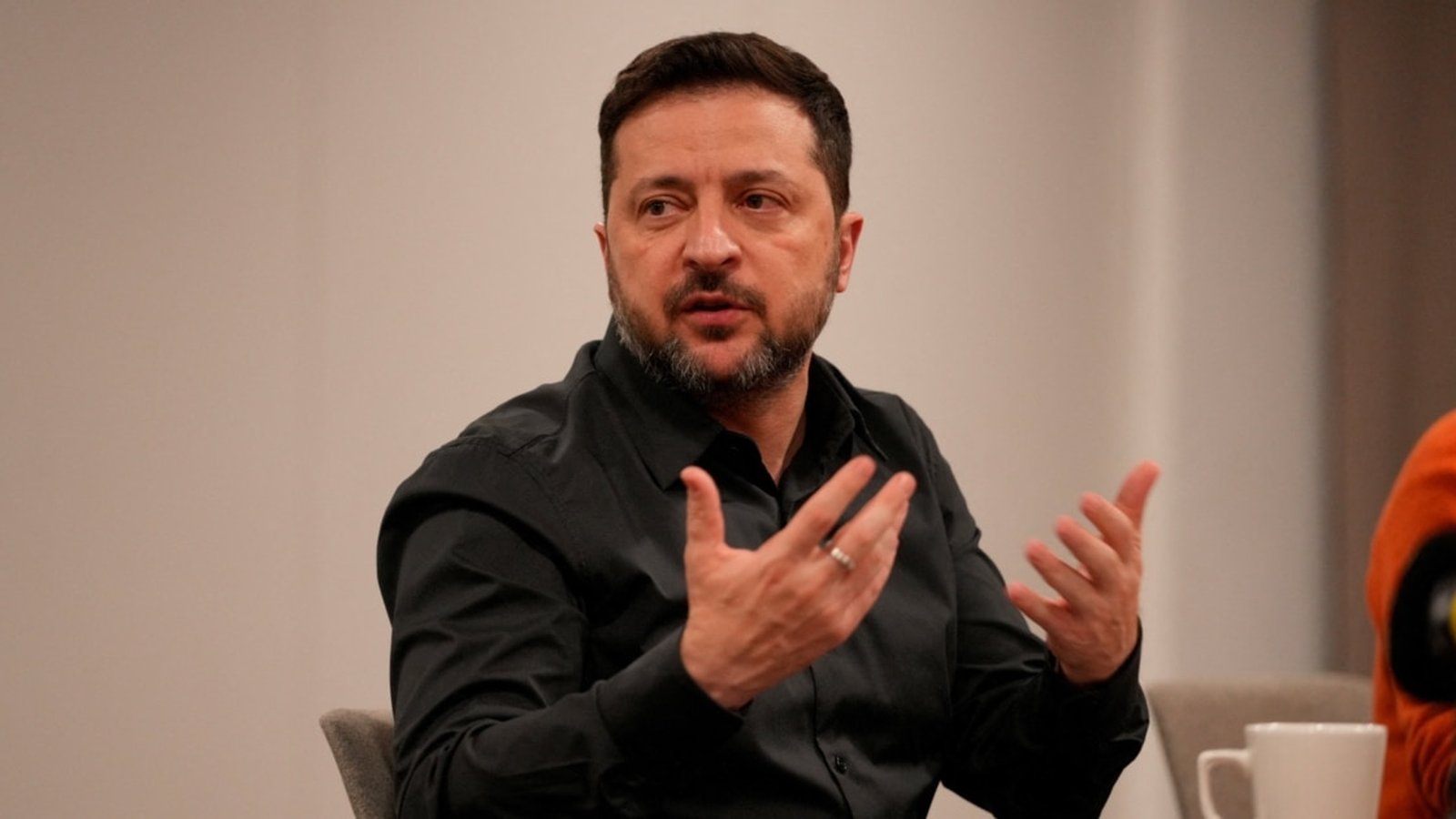
U.S. negotiators have floated the possibility of Ukraine withdrawing its remaining forces from the eastern Donbas region in exchange for NATO membership, Ukrainian President Volodymyr Zelenskyy disclosed in remarks released to reporters on Saturday, November 14, 2026. The proposal emerged following a round of U.S.-brokered trilateral peace talks held on November 10–11 in Abu Dhabi between Ukrainian, Russian, and American representatives. According to Radio Free Europe/Radio Liberty, this marks the first time that linking NATO membership to territorial concessions has been formally raised during negotiations.
“The Americans raised a question: ‘What if Ukraine joins NATO? Would Ukraine withdraw from Donbas?’” Zelenskyy told journalists, noting that while the conversation brings NATO back onto the diplomatic agenda, the discussions remain exceptionally complex. The Donbas region, comprising the Donetsk and Luhansk oblasts, has seen heavy fighting since 2014, with Russian forces occupying substantial parts and Moscow formally claiming annexation in 2022. While Kyiv has persistently sought NATO accession as an essential long-term security guarantee, Russian President Vladimir Putin has repeatedly characterized Ukrainian membership in the alliance as a definitive red line.
Referendum Conditions and Security Architecture Stakes
Addressing the potential trade-off, Zelenskyy emphasized that while his administration remains fundamentally opposed to formally ceding sovereign territory, any comprehensive territorial and security arrangement would ultimately require putting the question to a national referendum. Such a vote, he added, would depend entirely on securing concrete security guarantees, the right to maintain a strong and well-funded Ukrainian military, and international funds dedicated to national reconstruction. Concurrently, CNBC reported that Zelenskyy dismissed Moscow’s insistence on negotiating a broad European security architecture overhaul before agreeing to concrete steps to end the active conflict, asserting that the war itself must be resolved first.
The diplomatic push follows a sequence of high-level meetings across Europe. Following the Abu Dhabi discussions, U.S. peace envoys Steve Witkoff and Jared Kushner traveled to Moscow to meet with President Vladimir Putin before holding separate consultations with Zelenskyy in Ireland on Thursday, November 13. During those meetings, U.S. negotiators indicated that all sides had agreed to grant European powers a formal seat at the negotiating table. EU leaders meeting in Dublin agreed that Europe’s delegation would comprise five major military powers—Britain, France, Germany, Italy, and Poland—alongside official European Union representatives.
Prisoner Exchanges and Unresolved Humanitarian Corridors
Despite intensive diplomatic engagement, the trilateral talks in the United Arab Emirates concluded on Wednesday, November 11, without achieving a broader breakthrough to end the conflict, which is approaching its fifth year. The primary tangible outcome was an agreement to execute a large-scale prisoner exchange involving more than 1,000 individuals, though final figures remain under active discussion between the parties. Meanwhile, U.S. envoys Witkoff and Kushner pledged to raise the prospect of a localized energy ceasefire directly with Putin in Moscow, though no immediate progress has been reported.
Zelenskyy also rejected a Russian proposal for a localized humanitarian ceasefire in Kostiantynivka, a heavily contested city in the Donetsk region, characterizing it as a tactical maneuver reflecting Moscow’s inability to capture the urban center by force. According to BBC, Ukraine has instead put forward a counter-list of seven or eight frontline settlements where civilians remain trapped, urging protected humanitarian truces that Russia has resisted.