


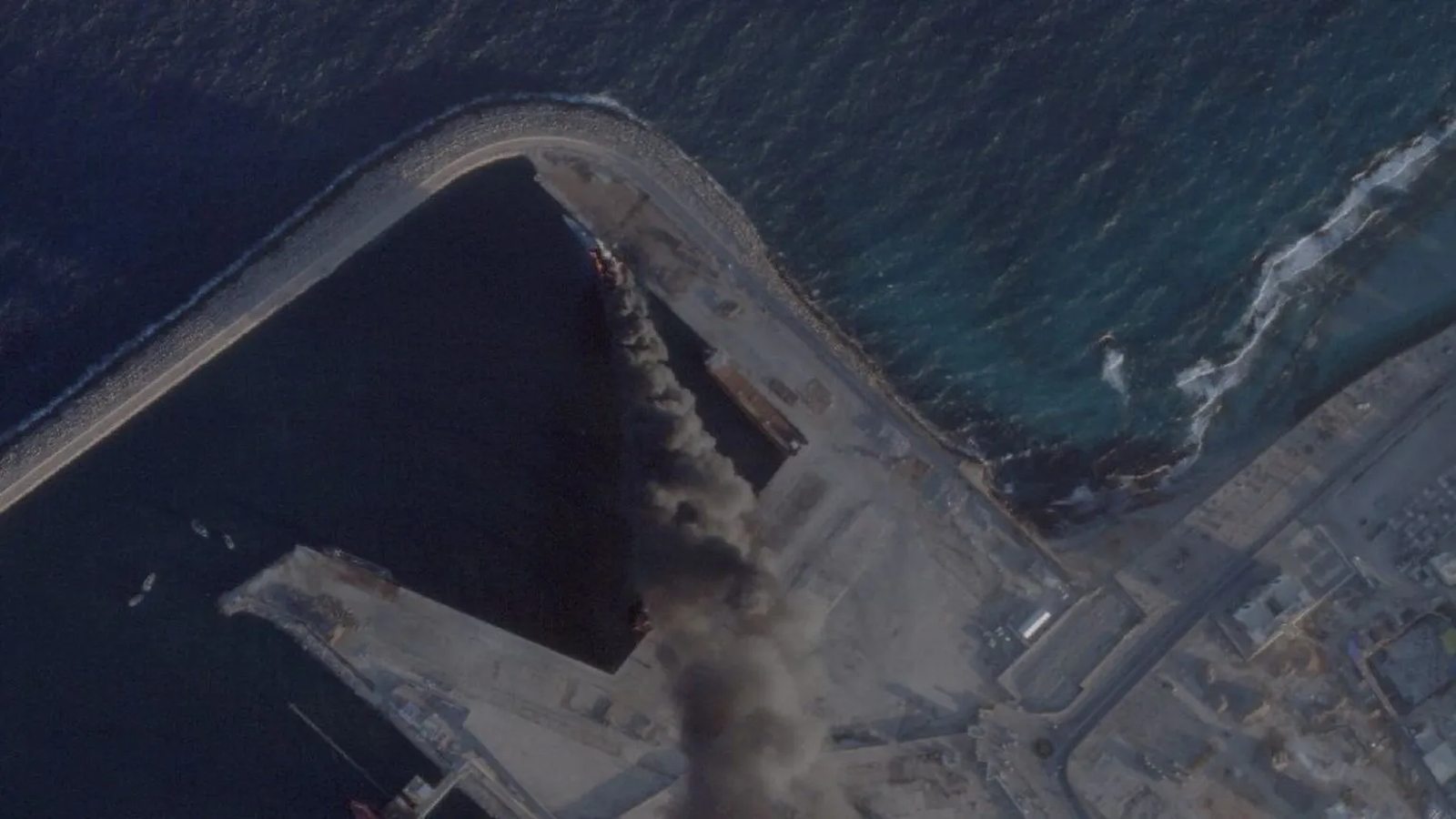
SBU Carried Out Long-Range Strike on Russian Corvette in Benghazi
On November 22, 2026, a military source stated that a long-range strike destroying a Russian navy corvette in Libya was carried out by the Ukrainian SBU. The attack targeted the Project 20380 Steregushchiy-class corvette Merkury, which was docked at the Benghazi naval base for fuel and supplies on its way back to Russia. High-resolution satellite imagery from Vantor and footage reviewed by BBC showed the vessel engulfed in flames, capsizing, and sinking with only its forward bow visible above the waterline.
The incident has triggered acute geopolitical friction across North Africa, exposing vulnerabilities in regional security frameworks and underscoring the expansion of the Russia-Ukraine conflict into Mediterranean ports. Libya’s eastern-based Government of National Stability (GNS) confirmed the explosion occurred at dawn on Sunday, November 22, condemning it as a direct violation of national sovereignty and maritime safety. While local authorities initially cited conflicting assessments regarding an internal blast, subsequent intelligence evaluations confirmed the vessel was struck by external uncrewed sea drones.
Geopolitical Fallout and Regional Security Stakes
The destruction of the Russian warship carries profound implications for Moscow’s naval logistics and its so-called shadow fleet operations in the Mediterranean. Jalel Harchaoui, a Libya specialist at the Royal United Services Institute (RUSI), noted in reporting by the BBC that Ukraine remains the primary actor with the capability and intent to execute such a high-stakes maritime operation far from its immediate borders. Beyond the operational blow to the Kremlin, the strike directly challenges Khalifa Haftar, commander of the Libyan National Army (LNA), whose eastern administration permitted the Russian naval presence under an existing bilateral agreement.
Meanwhile, Libya’s internationally recognized Government of National Unity (GNU) in Tripoli issued a stern warning against hosting foreign military forces or allowing external actors to utilize domestic port infrastructure. The GNU cautioned that such arrangements draw civilian facilities into external wars, endangering national assets and public safety. The United Nations Support Mission in Libya (UNSMIL) echoed these alarms, expressing serious concern on X and calling for an immediate, independent, and transparent investigation to prevent the country from becoming a proxy battleground.
Investigation and Immediate Next Steps
Libya’s eastern authorities announced they are actively coordinating with Russian counterparts to investigate the source of the attack and identify accountability. The health ministry in Benghazi reported treating individuals with minor injuries from a separate commercial vessel targeted off the coast during the same operational window, though details regarding that secondary incident remain under review. As diplomatic fallout mounts, regional observers are monitoring potential security escalations by forces loyal to Khalifa Haftar, who faces intense pressure to address how foreign strike capabilities penetrated Benghazi’s heavily controlled naval installations.