


Federal Safety Review Examines Glyphosate Exposure
Federal scientists have raised new cancer concerns regarding glyphosate, the active ingredient in the widely used herbicide Roundup, according to a report published by The Washington Post. The re-evaluation of the chemical’s safety profile focuses on potential connections to cancer, drawing renewed attention from researchers, advocacy groups, and agricultural stakeholders across the United States.
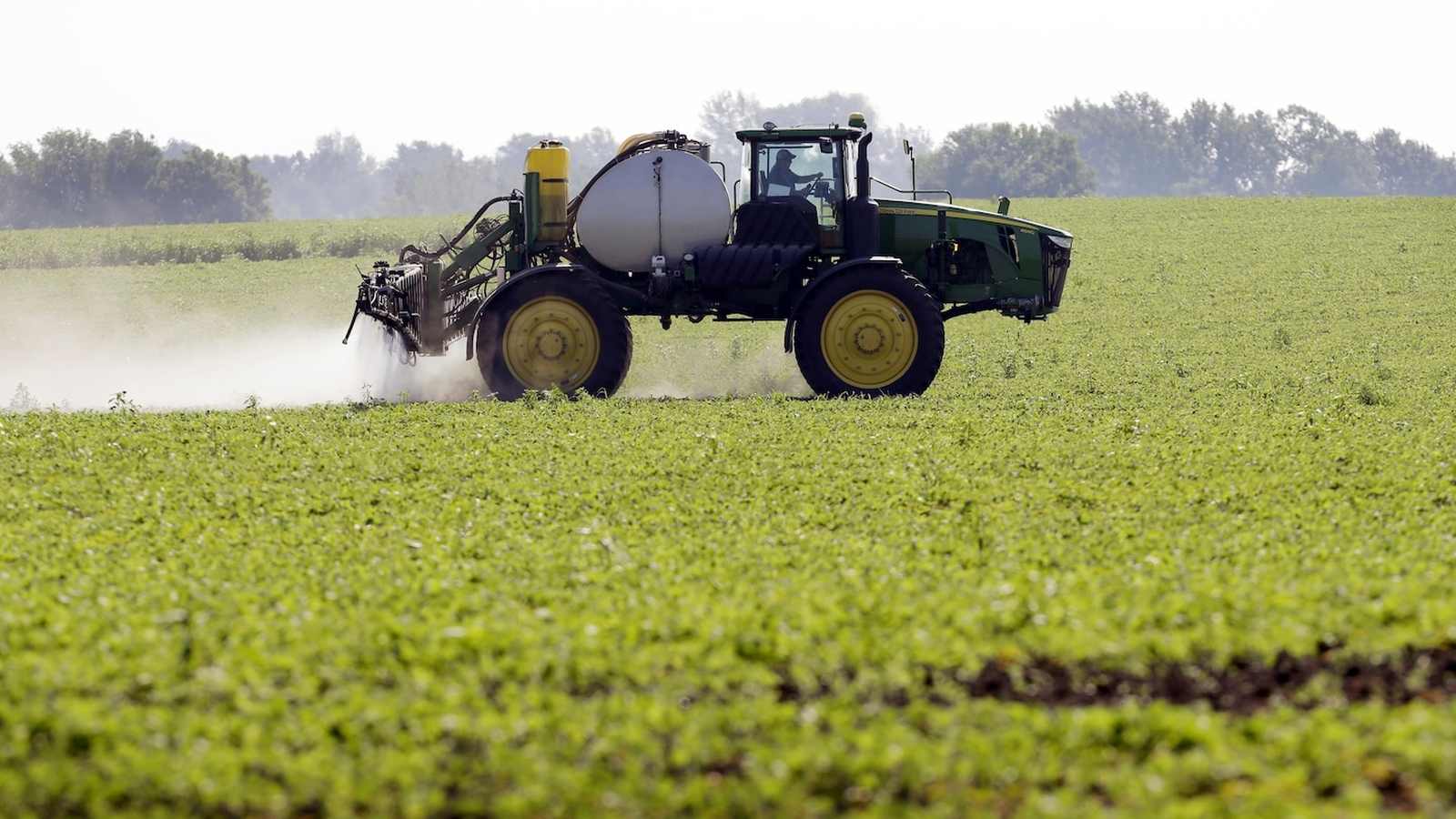
Glyphosate remains one of the most extensively utilized weedkillers in the country. It is heavily relied upon by agricultural producers for crop management, as well as by individual homeowners treating residential lawns, gardens, and pathways. The latest findings have amplified ongoing public health discussions regarding the long-term safety and regulatory oversight of widespread chemical usage.
The newly surfaced concerns prompt a close look at how the chemical interacts with both large-scale agricultural environments and domestic settings. Because millions of Americans handle the substance routinely, any shift in federal evaluation carries immediate practical consequences for pest management, farming efficiency, and household gardening habits.
Long-Standing Debate and Regulatory Stakes
The safety of glyphosate has been the subject of prolonged scientific and legal debate. While regulatory bodies have historically maintained that the chemical is safe when applied in accordance with manufacturer directions, various independent studies have previously pointed to potential links with specific types of cancer. The new review adds further urgency to these discussions.
Advocacy groups and supporters of stricter chemical regulations argue that the latest findings demonstrate a clear need for enhanced public health protections. Conversely, scientific researchers emphasize the necessity for additional comprehensive studies before definitive regulatory conclusions can be formulated. For consumers and agricultural workers who regularly handle glyphosate products, authorities advise strict adherence to product safety labels and handling instructions.
The tension between regulatory reassurance and independent academic caution has defined the discourse for years. Legal battles involving Roundup and its active ingredient have frequently tested the boundaries of existing federal approvals, keeping public interest high and ensuring that any fresh scientific evaluation attracts intense scrutiny from both industry representatives and consumer protection advocates.
Future Outlook and Federal Action
The ongoing discourse surrounding glyphosate is expected to influence future regulatory actions by federal agencies. Potential policy updates could alter how the herbicide is authorized, marketed, and utilized nationwide. Observers and stakeholders are advised to monitor official federal communications for forthcoming updates as more detailed information becomes available.
As government researchers continue to analyze data concerning exposure levels and health outcomes, the resulting policy determinations will likely shape agricultural practices for years to come. Whether these developments lead to tighter restrictions or simply reinforce current usage guidelines under stricter monitoring, the impact will be felt across the entire agricultural supply chain and among residential consumers alike.