


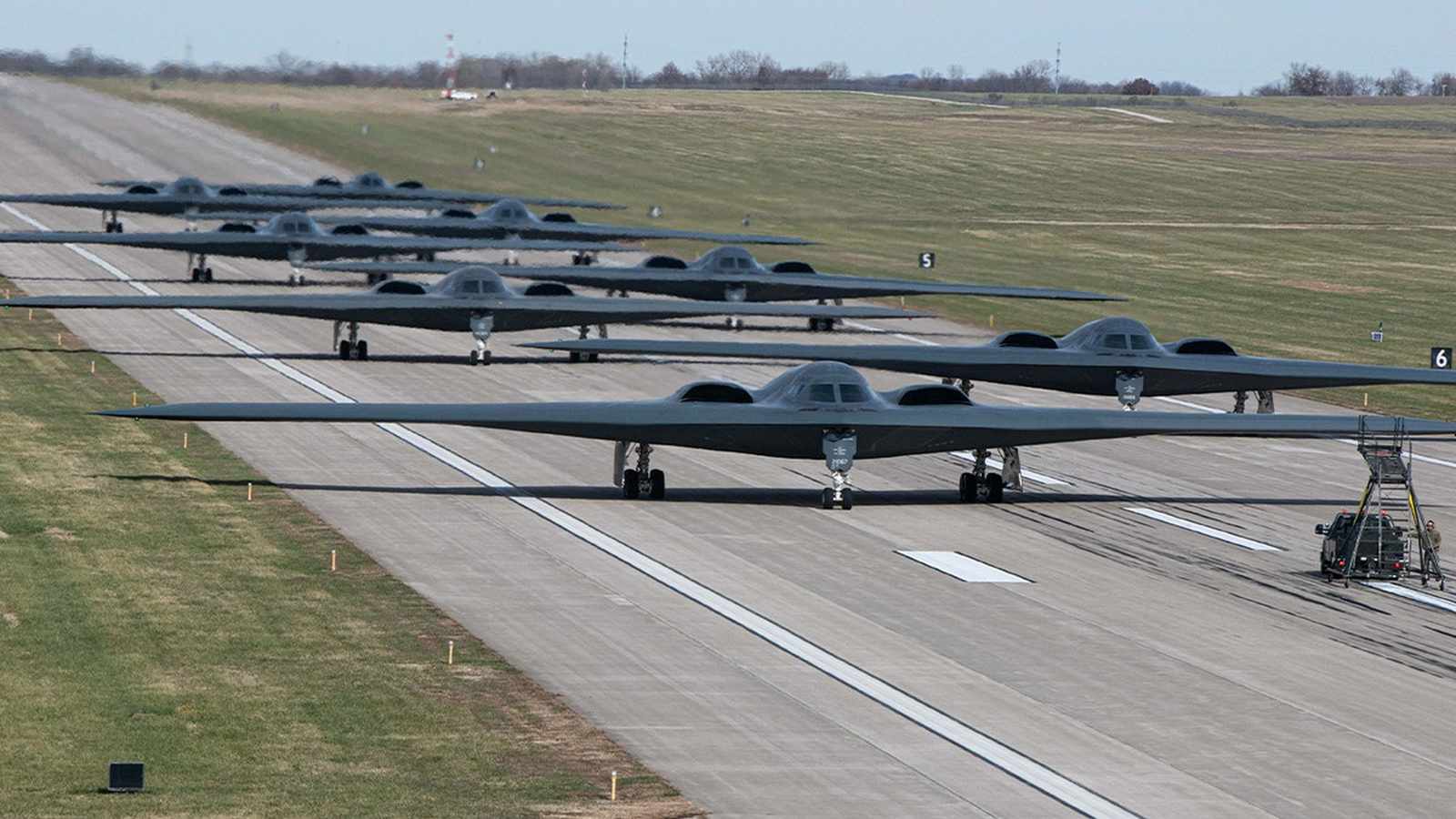
Emergency Redeployment to American Stations
The United States Air Force has relocated all 12 of its long-range B-1B Lancer strategic bombers from the United Kingdom back to domestic home bases following an unspecified security threat. According to a U.S. official cited by Aero-News, the aircraft departed Royal Air Force (RAF) Fairford on Sunday. The sudden return to the United States rather than a relocation to another regional allied facility marks an unusual operational shift for the U.S. military during an active deployment.
The redeployment occurred just days after British authorities arrested several individuals in connection with an alleged Iranian plot aimed at targeting the Gloucestershire-based airfield. While U.S. defense officials acknowledged the movement was triggered by a real-world incident, official statements from Washington omitted specific operational details regarding the nature of the alert or the immediate vulnerability of the installation.
Strategic Role of RAF Fairford
RAF Fairford serves as a critical forward operating location for the U.S. Air Force Global Strike Command, providing essential infrastructure for managing long-distance strike operations. The facility has frequently hosted U.S. strategic assets participating in operations linked to regional conflicts involving Iran. The abrupt departure of the entire bomber contingent leaves a noticeable gap in U.S. long-range aviation posture in Europe.
Local residents near the Gloucestershire base have voiced safety concerns following both the reported arrests and the subsequent withdrawal of the aircraft. When questioned by reporters regarding community safety, a Downing Street spokesperson declined to discuss foreign military operations but emphasized that the United Kingdom maintains tried-and-tested security frameworks to defend military installations nationwide and abroad. Similarly, the U.K. Ministry of Defense declined to comment on the operational capabilities or tactical decisions of allied nations operating on British soil, leaving critical questions about regional deterrence unanswered.
Operational Implications and Security Measures
The decision to fly all 12 B-1B Lancers back across the Atlantic rather than dispersing them to alternative European facilities highlights the severity with which military planners viewed the threat environment. Strategic assets of this caliber typically maintain high readiness states, and moving them entirely out of theater disrupts ongoing command rotations and theater-level deterrence postures. Defense analysts note that while tactical relocations are common during heightened alert states, a complete continental withdrawal underscores the gravity of the intelligence received by security services.
As investigation into the alleged plot continues, local authorities and community leaders are pressing for clearer communication regarding protective measures around major defense installations. Meanwhile, the U.S. military has not clarified when or if the strategic bombers will return to European forward operating bases, keeping the long-range strike capability focused on domestic stations for the immediate future.