


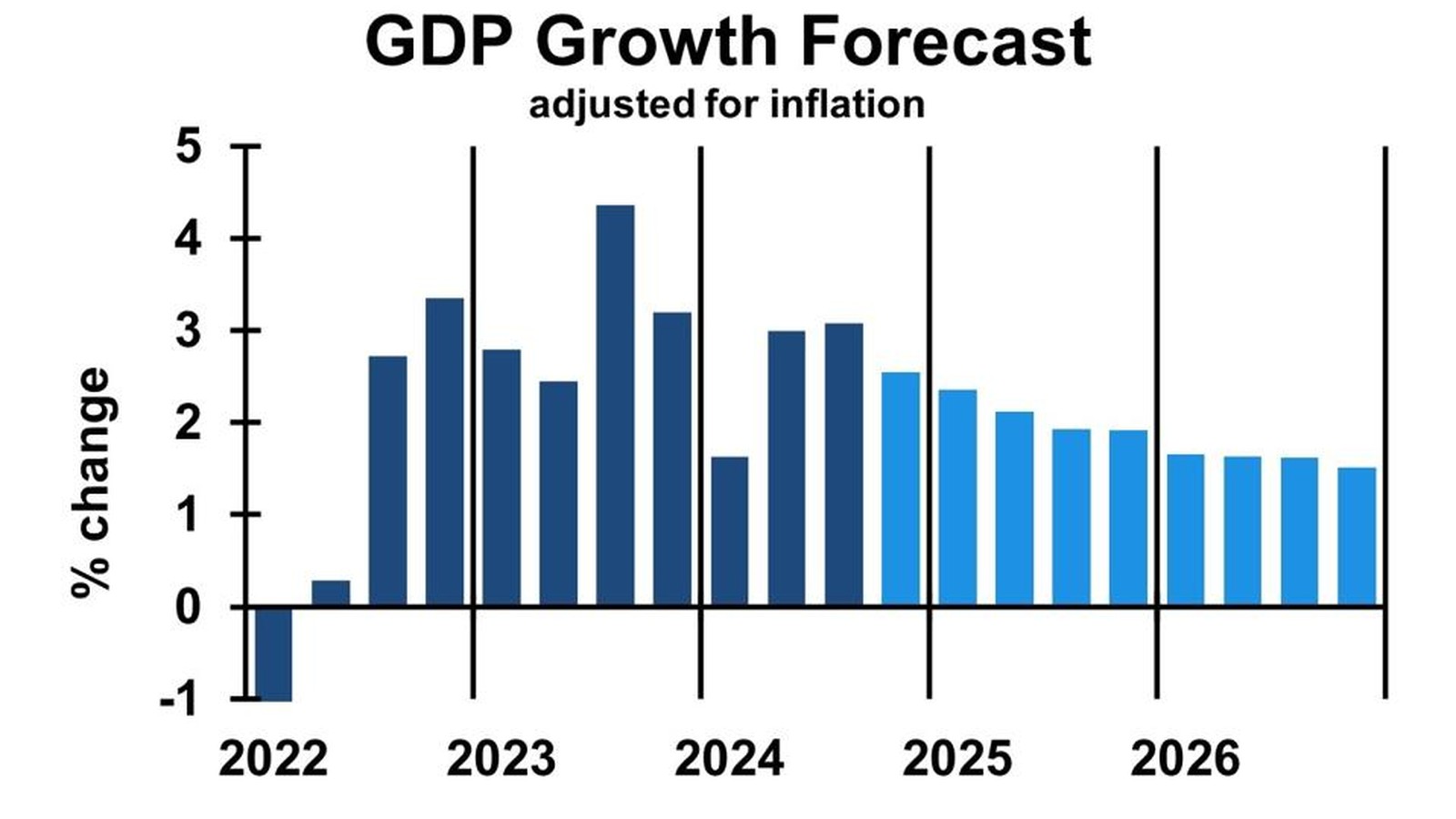
Economic Growth Deceleration
The U.S. economy experienced a significant cooling in the second quarter of 2026, with the Commerce Department reporting a 1.5% growth rate for the April-through-June period. This figure fell short of the 1.8% growth rate anticipated by economists surveyed by Dow Jones and represented a notable decline from the 2.1% growth recorded in the first quarter.
According to the Bureau of Economic Analysis, the primary drags on the headline GDP were a 0.7% decline in inventories and a 0.3% drop in federal government spending. Despite these headwinds, underlying economic health showed resilience. Personal consumption expenditures rose by 2.1%, and a critical gauge of domestic demand—final sales to private domestic purchasers—posted a robust 3.9% increase, suggesting that the private sector remains a primary engine of growth.
Inflation Dynamics and Policy Stakes
While economic growth slowed, inflation remained stubbornly above the Federal Reserve’s 2% target. The Core Personal Consumption Expenditures (PCE) price index, which excludes volatile food and energy costs and is favored by Fed officials as a long-term indicator, rose 3.3% annually in June. This figure matched market forecasts but underscores the persistence of inflationary pressure.
The Federal Reserve finds itself in a challenging policy environment. Just one day before the release of these reports, the central bank voted 9-3 to maintain its benchmark borrowing rate in the 3.5%-3.75% range. The dissent from three regional presidents highlights internal concern regarding the failure to sufficiently bridge the gap toward the 2% inflation mandate. Volatility in energy prices, exacerbated by geopolitical tensions in the Middle East, continues to be a major risk factor for future inflation projections.
Consumer Behavior and Savings
A concerning development for long-term sustainability is the shift in consumer behavior. While personal spending rose 0.3% in June, personal income grew by only 0.2%. Consequently, the personal savings rate dropped to 2.7%, the lowest level observed in four years. This trend suggests that consumers are increasingly dipping into their savings to maintain consumption levels, a pattern that may limit the economy’s ability to withstand future shocks if the labor market or income growth does not accelerate.