


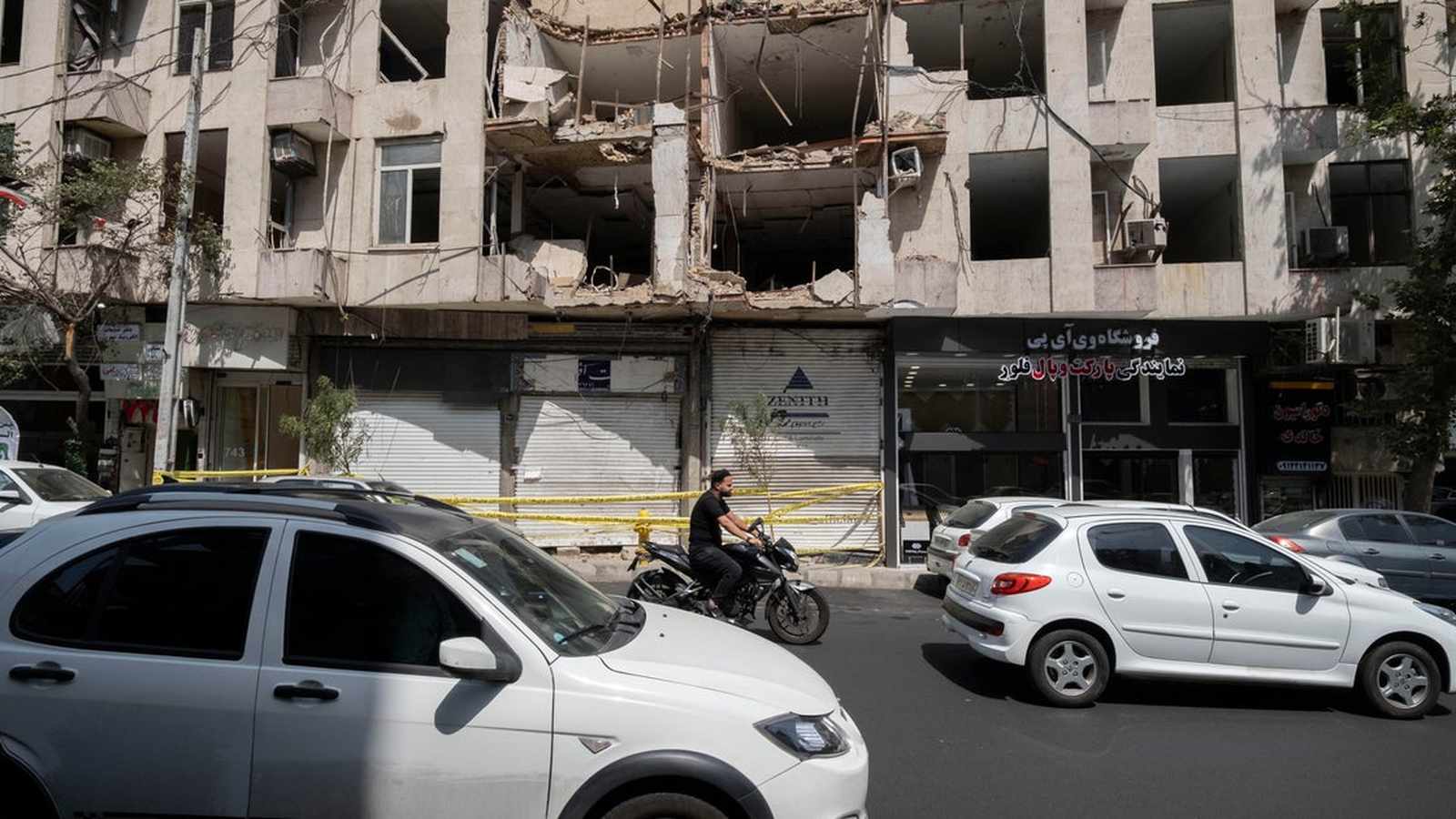
A Sustained Military Campaign
The United States military has completed its 13th consecutive night of airstrikes against targets in Iran, marking a significant escalation in a conflict that is now directly impacting global energy infrastructure. U.S. Central Command (CENTCOM) confirmed the latest round of strikes targeted Iranian drone sites, command centers, and logistical hubs, specifically citing efforts to diminish the threat posed to civilian mariners in the Strait of Hormuz.
The intensity of the campaign is matched by a rigid U.S.-led naval blockade of the Strait of Hormuz, which has now been in place for nine days. According to CENTCOM, the blockade has successfully redirected 12 vessels, effectively halting transit for ships seeking to enter or exit Iranian ports. While Pentagon officials maintain the waterway remains open to international shipping, commercial traffic has slowed to a crawl, contributing to a surge in global oil prices, which crossed the $100-per-barrel threshold on Thursday for the first time in two months.
Regional Security and Houthi Involvement
The conflict has expanded into the Red Sea, where the Iran-backed Houthi militia has begun targeting tankers transiting the Bab el-Mandeb Strait. On Wednesday, at least two Saudi-flagged oil tankers were attacked, prompting an unequivocal condemnation from the International Maritime Organization (IMO). IMO Secretary-General Arsenio Dominguez warned that these actions threaten the security of international shipping and the stability of global supply chains.
Reports from Reuters, citing security analysts and Iranian sources, indicate that Iran dispatched Islamic Revolutionary Guard Corps (IRGC) commanders to Yemen on July 13 to provide training and support for these operations. President Donald Trump has issued a stark warning to both the Houthi rebels and their Iranian benefactors, threatening “major military punishment” should such attacks on Saudi vessels persist.
Internal U.S. Administration Pressures
The rapid pace of military operations has triggered internal concern regarding U.S. readiness. According to officials familiar with internal assessments, the expenditure of advanced air-defense interceptors and precision-guided munitions is reaching a rate that is difficult to sustain. This has fueled a debate within the administration over the long-term viability of the current strategy, particularly as military leaders weigh these regional demands against the necessity of maintaining deterrence capabilities in the Indo-Pacific.
Despite these concerns, political support for the blockade remains firm among key legislative allies. Republican Senator John Kennedy stated on Thursday that the blockade is a “very effective” tool to pressure Iran, arguing that it forces the country to choose between storing oil it cannot sell or shutting down aging wells.