


Military Escalation in the Strait of Hormuz
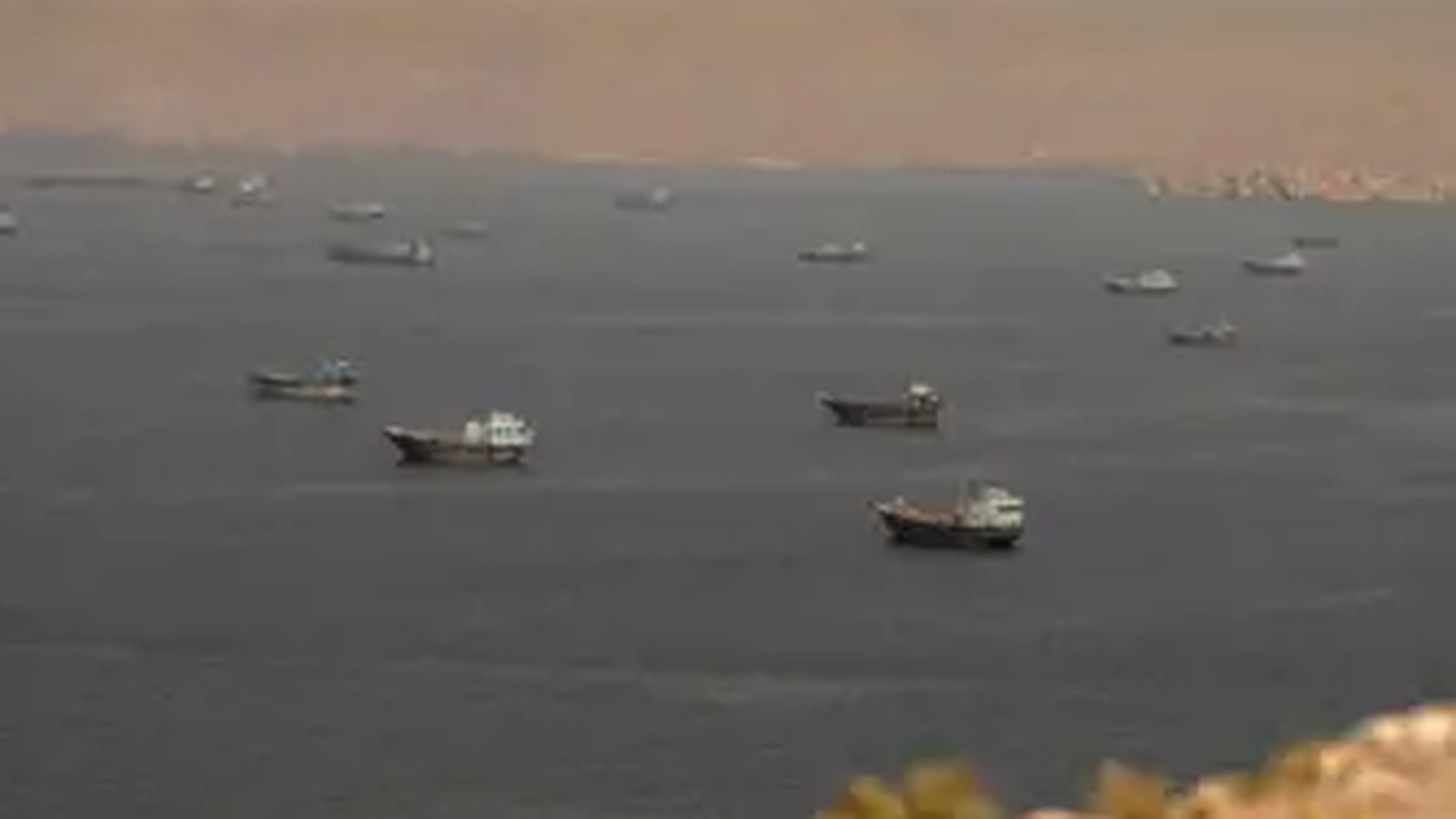
Tensions in the Middle East have spiraled into direct military confrontation as the United States launched a series of strikes against Iranian targets, while Tehran responded with reported drone and missile attacks on US installations in Bahrain and Kuwait. The escalation follows the breakdown of a memorandum of understanding (MoU) intended to stabilize maritime traffic in the Strait of Hormuz.
US Central Command (CENTCOM) confirmed it struck over 80 targets inside Iran, including air defense, coastal surveillance, and missile launch sites. The US stated the action was a direct response to attacks on three commercial tankers in the Strait of Hormuz earlier this week, which CENTCOM described as an unacceptable threat to innocent individuals and international shipping. In retaliation, the Islamic Revolutionary Guard Corps (IRGC) claimed to have targeted 85 US military facilities across the region, including sites in Bahrain and Kuwait.
The Collapse of the Memorandum of Understanding
The military action signals the effective death of the recent MoU between Washington and Tehran. Under the agreement, Iran had committed to reopening the vital waterway, and the US had responded by waiving certain sanctions on Iranian oil exports. Following the latest hostilities, the US Treasury Department announced the reinstatement of these sanctions, effective July 17, citing Iran’s failure to meet its obligations.
Iranian officials have labeled the US strikes as a violation of the ceasefire agreement. During the ongoing funeral proceedings for the late Supreme Leader Ayatollah Ali Khamenei in Najaf, Iraq—which drew millions of mourners—Iranian authorities vowed a “crushing response” to what they characterize as “criminal” aggression against their southern provinces.
Geopolitical Stakes and Regional Impact
The conflict has drawn immediate concern from global leaders. NATO Secretary-General Mark Rutte defended the US strikes as “absolutely necessary,” asserting that Iran’s violation of the ceasefire warranted a forceful reaction. Conversely, the situation has ignited domestic debate within the United States, with some political figures questioning the strategic efficacy of returning to a military-focused approach in the region.
The disruption to the Strait of Hormuz—a critical artery for global energy supplies—poses significant risks to supply chains. As both sides trade accusations over navigation protocols and mining in the strait, the risk of a broader conflict remains high. The international community is now closely watching whether diplomatic pressure can prevent further escalation while the region navigates the political uncertainty following the passing of Iran’s Supreme Leader.