


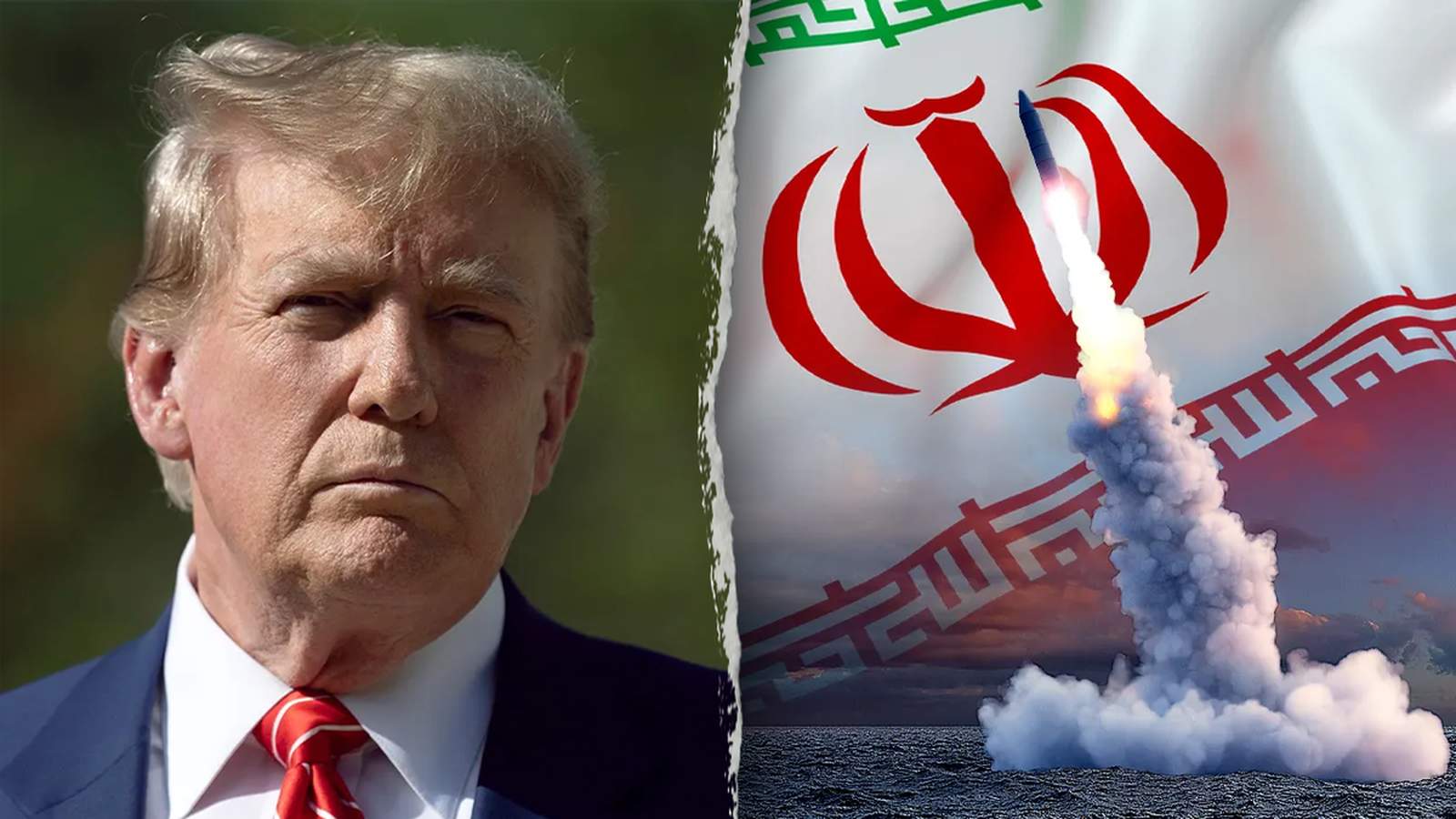
A New Framework for U.S.-Iran Relations
As of June 16, 2026, the United States and Iran have moved toward a tentative de-escalation framework, with Vice President JD Vance confirming the existence of a memorandum of understanding (MOU) aimed at ending active hostilities. The agreement, which President Donald Trump described as “all signed,” includes provisions to reopen the Strait of Hormuz and mandates that Iran commit to halting support for proxy groups while submitting to renewed International Atomic Energy Agency (IAEA) inspections.
The deal, which is expected to be formally inked in Geneva this Friday, marks a significant shift in U.S. foreign policy, prioritizing a negotiated ceasefire over the previous “maximum pressure” campaign. According to U.S. officials, the preliminary pact includes an extension of a ceasefire for 60 days to allow for broader negotiations. However, the path to implementation remains fraught with regional complexities.
Geopolitical Stakes and Regional Skepticism
While Washington frames the MOU as a victory for regional stability, the response from key regional allies—most notably Israel—suggests a disconnect. Israeli Prime Minister Benjamin Netanyahu has maintained that Israeli forces will remain in security zones across Lebanon, Syria, and Gaza as long as necessary, asserting that the U.S.-Iran deal does not supersede Israel’s right to self-defense. Following reports of a deadly Israeli strike in southern Lebanon on Monday, Iran’s Foreign Minister Seyed Abbas Araghchi warned that any continued Israeli military presence would be viewed as a violation of the interim agreement.
The efficacy of this agreement rests on the U.S.’s ability to enforce its terms while managing the divergent interests of its partners. The inclusion of Pakistan as a mediator, alongside the G7 summit discussions in France, underscores the multilateral effort to prevent a wider conflict. Yet, the ambiguity surrounding the “page and a half” document leaves significant room for interpretation, particularly regarding the definition of “regional peace and stability” and the timeline for nuclear disarmament.
Institutional Oversight and Domestic Context
This foreign policy pivot occurs alongside broader shifts in U.S. domestic institutional priorities. The Equal Employment Opportunity Commission (EEOC) has concurrently unveiled a new National Enforcement Plan (NEP) for 2025-2029, which emphasizes a centralized, nationwide enforcement model. By prioritizing intentional discrimination cases and scrutinizing diversity, equity, and inclusion (DEI) initiatives, the agency is signaling a move toward ideological and legal alignment with current executive branch objectives. Similarly, the Department of Justice has seen a reorganization of its civil rights and election sections, with new leadership focusing on aggressive investigations into voting practices, reflecting a broader administration trend toward asserting executive authority over both foreign and domestic policy levers.