


Market Milestones and Earnings Momentum
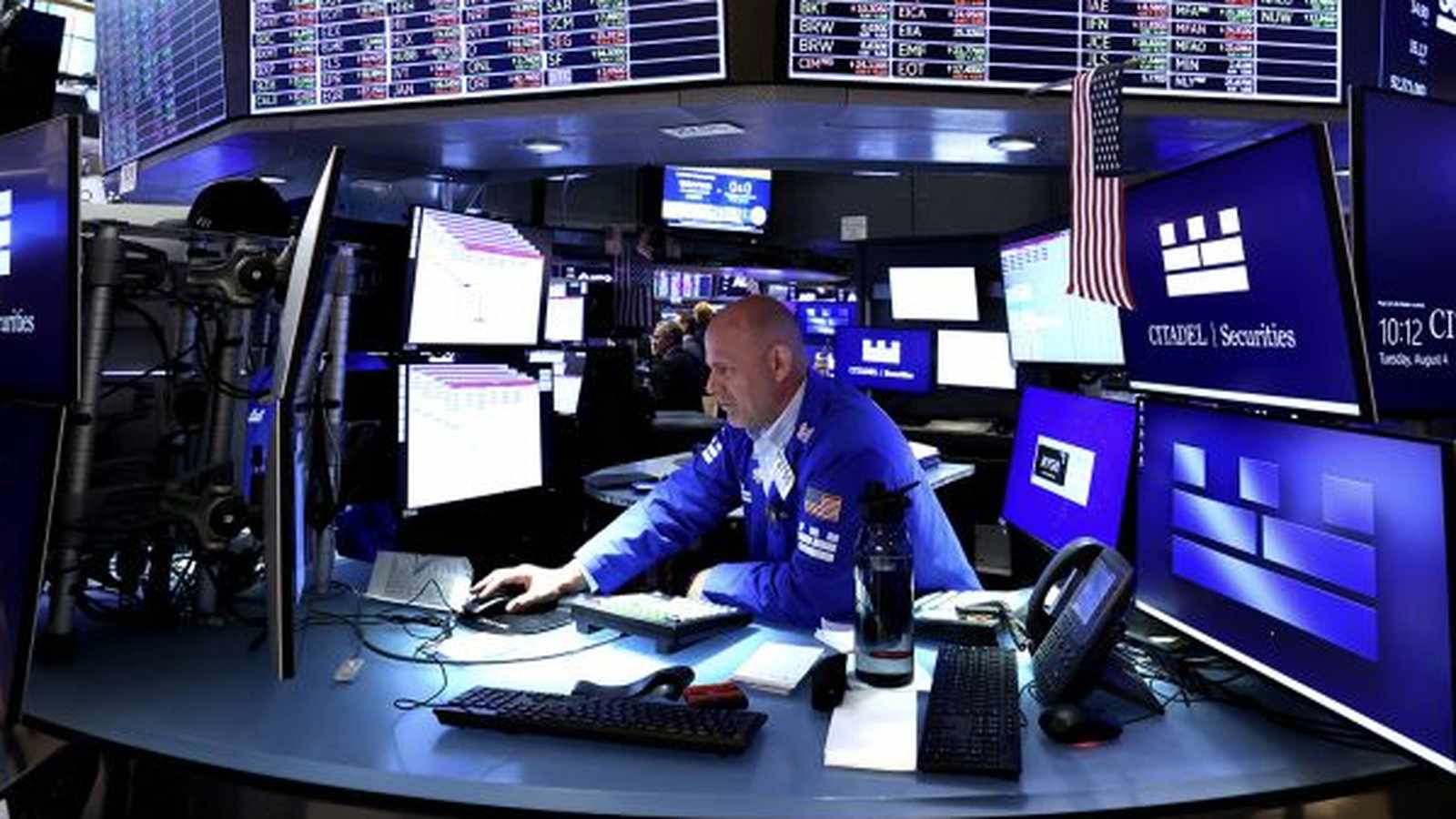
U.S. equity markets reached historic levels this week, with the Dow Jones Industrial Average and the S&P 500 closing at record highs on Monday. The Dow surged 1.71% to settle at 54,085.88, while the S&P 500 gained 1.79% to reach 7,736.52. The Nasdaq Composite also saw significant gains, rising 2.59% to 26,584.99.
Market sentiment is being driven by a robust quarterly earnings season, where over 80% of reporting companies have exceeded expectations. Mohamed El-Erian, Chief Economic Advisor at Allianz, noted that these results underscore the resilience of the U.S. economy despite persistent macroeconomic concerns. Ed Yardeni, president of Yardeni Research, suggested that his year-end S&P 500 target of 8,250 may now be conservative, citing the “fabulous earnings momentum” currently observed across the tech sector.
AI Infrastructure and Corporate Shifts
Technology and artificial intelligence-related firms continue to be the primary drivers of market performance. Palantir Technologies (PLTR) saw its shares jump nearly 30% following a blowout quarterly report, which featured a 93% revenue surge and a significant increase in 2026 guidance. Meanwhile, Dell Technologies (DELL) reached a record high of $476.90, driven by enterprise demand for high-density server systems capable of supporting AI workloads.
The landscape for AI infrastructure is shifting, however. SpaceX, which reported a 92% year-over-year revenue increase to $7.8 billion, announced a transition from Advanced Micro Devices (AMD) to Nvidia for its future AI chip purchases. This announcement, coupled with concerns over AMD’s rising capital expenditures—which reached $808 million in the second quarter—led to an 8.6% decline in AMD shares during overnight trading.
Geopolitical Easing and Future Outlook
Investor confidence has been further bolstered by potential de-escalation in the Middle East. Iran’s Foreign Ministry spokesman Esmaeil Baghaei stated that negotiations with Oman regarding safe transit lanes through the Strait of Hormuz are progressing positively. U.S. officials, including Secretary of State Marco Rubio, have indicated that while a deal is not finalized, talks have reached an advanced stage. This prospect of stability has contributed to a decline in global oil prices, with Brent crude futures falling more than 1% to $78.50 per barrel.
As the market looks toward the remainder of the week, the focus shifts to the July jobs report, scheduled for release on Friday. This data is expected to provide critical insight into the continued health of the labor market and its implications for Federal Reserve policy.