


A Shift in Orbital Doctrine
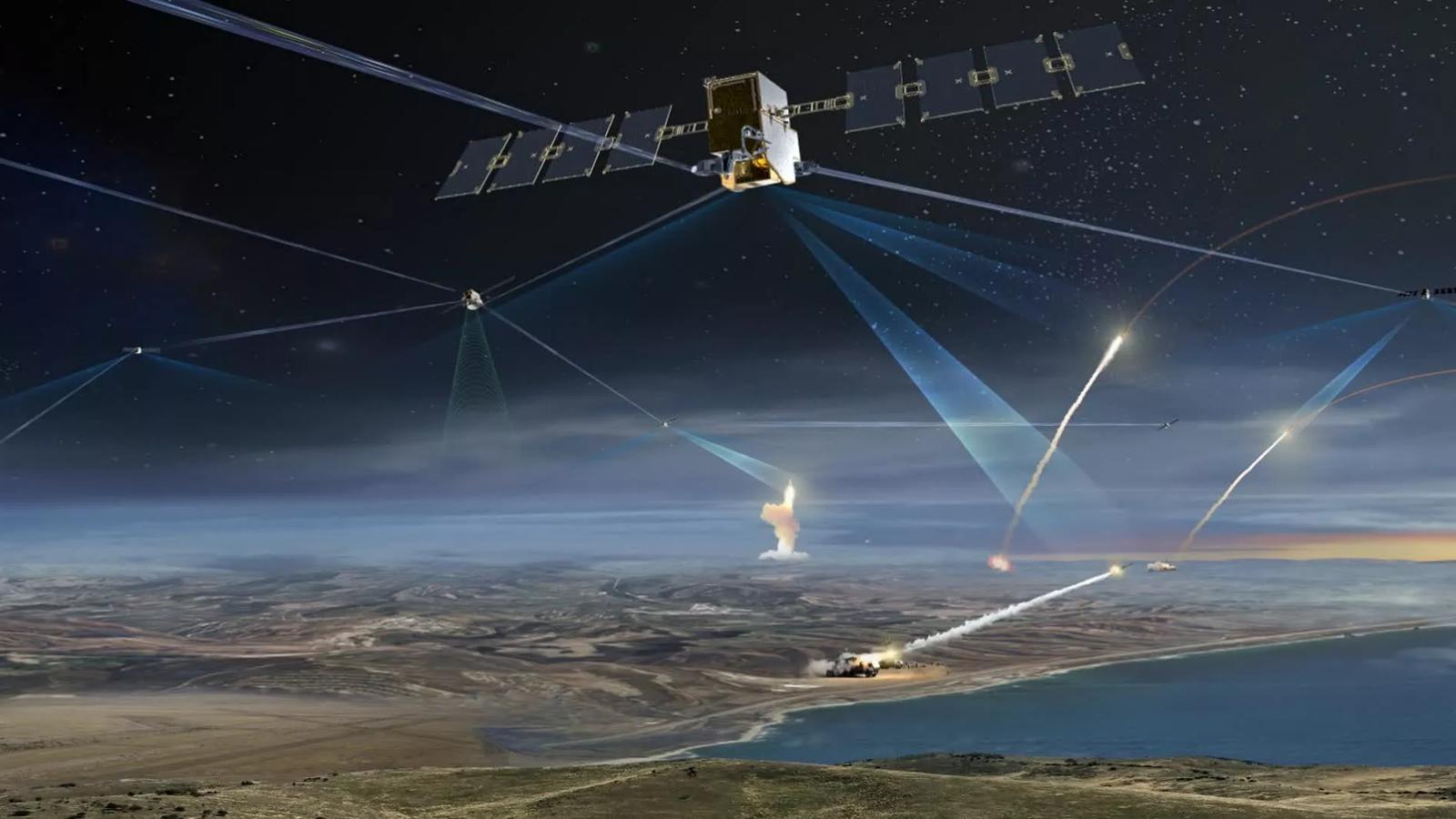
In a significant departure from long-standing policy, the United States military has officially confirmed that it has deployed weapons systems in orbit. The disclosure, made on September 15, 2026, by senior officials at the Air and Space Forces Association’s annual Air, Space & Cyber Conference, signals a definitive pivot in how the Pentagon approaches space-based defense and deterrence.
According to Ars Technica, the confirmation came from military leadership who stated that the US now possesses “on-orbit space control weapons” specifically designed to defend the joint force against adversarial actions. While the Pentagon has previously discussed concepts of orbital combat and ground-based counter-satellite measures, this marks the first time an official has publicly verified the presence of active, space-based military assets.
Strategic Ambiguity vs. Deterrence
Military officials emphasized that the decision to disclose these capabilities was carefully balanced against the requirements of deterrence. By acknowledging the existence of these assets without detailing their technical specifications, the Pentagon aims to project strength to rival space powers while maintaining operational security. Officials noted that revealing specific capabilities or testing histories would be counterproductive to the strategic goal of deterring potential aggression.
The Crowded Orbital Environment
This development arrives as the global space environment faces unprecedented strain. According to the ESA Space Environment Report 2026, the orbital landscape is becoming increasingly congested, with an order-of-magnitude increase in the “Space Environment Health Index” over the past year. As constellations expand and debris populations grow, the potential for accidental collisions—or the misinterpretation of defensive maneuvers as hostile acts—rises significantly.
The addition of military weaponry to an already fragile environment complicates international efforts toward sustainable space traffic management. With the “Kessler syndrome” (a runaway chain reaction of orbital collisions) looming as a long-term threat, the introduction of active combat systems adds a new layer of risk, as any kinetic event in orbit now carries the potential for geopolitical fallout in addition to physical debris generation.