


A New Chapter for the USMNT
Following a disappointing home World Cup campaign that ended early, the United States Men’s National Team (USMNT) has entered a period of significant tactical and personnel transition. Under the leadership of manager Mauricio Pochettino, the squad has recently concluded a series of high-profile international matches that suggest a fundamental shift in the program’s identity. Most notably, the team has successfully navigated a demanding schedule without the presence of long-time talisman Christian Pulisic, signaling a potential departure from the “savior complex” that has historically defined American soccer expectations.
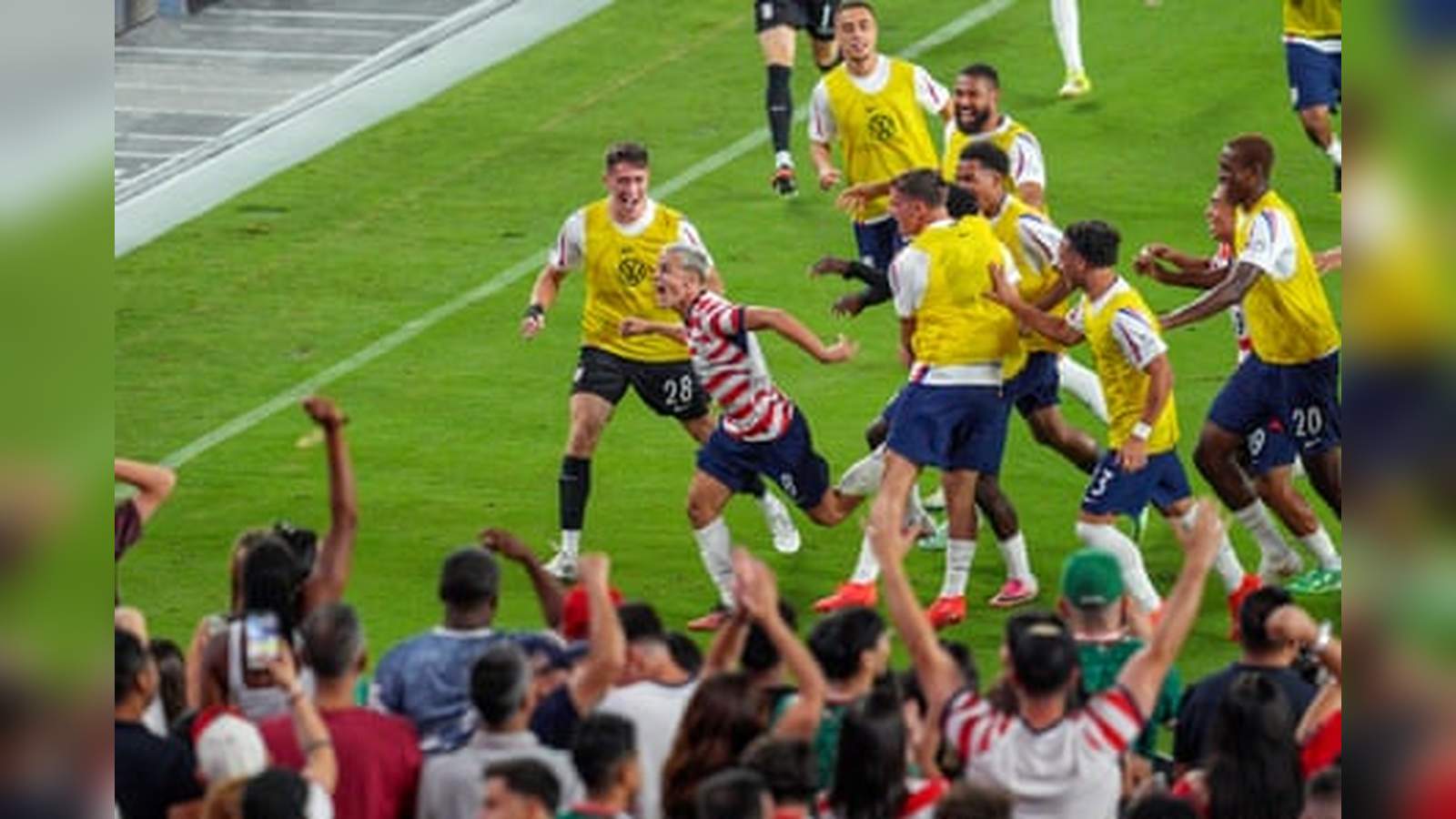
Pochettino’s decision to integrate 13 debutants and eight teenagers into the post-World Cup roster initially faced scrutiny, given that much of the previous core remained in their prime years. However, the results have provided empirical support for his strategy. The team secured consecutive victories against Peru (4-1) and Chile (4-2), followed by a dominant 3-0 performance against Mexico. The window concluded on Tuesday with a resilient 1-0 win over Canada—a victory particularly notable for the team’s ability to handle the physicality and intensity that have historically troubled U.S. sides, as reported by The Guardian.
The End of ‘Pulisic-pendencia’
For decades, the USMNT has operated on a pattern of waiting for a singular young talent—from Landon Donovan and DaMarcus Beasley to Clint Dempsey and Christian Pulisic—to elevate the program. Pulisic, in particular, was the face of an eight-year project culminating in the 2026 World Cup, yet the campaign failed to meet the high expectations placed upon him. His absence during this recent international window, alongside midfielder Weston McKennie, provided a stress test for the team’s collective structure.
The performance of the squad in their absence indicated that the burden of responsibility is now distributed across a wider group of players. Rather than relying on a “hero” to generate moments of individual brilliance, the team displayed a level of maturity and tactical cohesion that prioritized depth over reliance on any single individual. While young talents like Cavan Sullivan, Julian Hall, and Adri Mehmeti represent the future, the current success is defined by a newfound collective standard. This shift toward a robust, interchangeable depth chart mirrors the characteristics of more established soccer nations, potentially marking a permanent departure from the cycle of pinning national hopes on one individual’s shoulders.
Cultural Reconfiguration Under Pochettino
The exclusion of Pulisic from the latest roster, as detailed by Sports Illustrated, highlights a broader cultural friction. After a 2025 Gold Cup absence that strained his relationship with the coaching staff, Pulisic’s subsequent struggles at AC Milan—including a long goal drought and a diminished role under manager Ruben Amorim—have coincided with his slide down the national team depth chart. Pochettino has been characteristically opaque regarding specific personnel decisions, stating only that he is analyzing the best players for the current cycle. This ambiguity serves to emphasize that the program is no longer catering to established stars who are not currently performing at their peak.
The historical precedent for this shift dates back to 1990, when manager Bob Gansler bypassed veteran players to field a younger, untested squad, emphasizing long-term development over immediate name recognition. Pochettino appears to be channeling a similar philosophy, demanding full commitment and high-level output. By successfully cycling through 13 debutants, the coaching staff has effectively mitigated the “Pulisic-pendencia” that previously stifled team growth. As the USMNT looks toward the 2030 cycle, the evidence suggests that the era of the singular commercial and tactical savior is waning, replaced by a more disciplined, meritocratic system that values collective consistency over individual stardom. The coming months will determine if this depth is a permanent fixture or merely a temporary byproduct of a post-tournament experimental phase.