


Public Health Officials Urge Caution
Public Health Seattle & King County has issued a formal advisory urging the public to stop seeking out, feeding, or attempting to handle Jimothy, a wild raccoon in Seattle’s Ballard neighborhood that has become a viral internet sensation. Despite his widespread popularity and status as a local cultural phenomenon, officials emphasize that Jimothy remains a wild animal capable of posing serious health risks to humans and domestic pets.
Jimothy, identified by residents due to a rare genetic condition known as short spine syndrome, has gained millions of views on social media. His distinctive hunched gait has triggered an outpouring of fan support, ranging from fan-made mods in popular video games like Skyrim and Stardew Valley to an official Google search animation that has been triggered over 1.5 million times.
The Biological Stakes
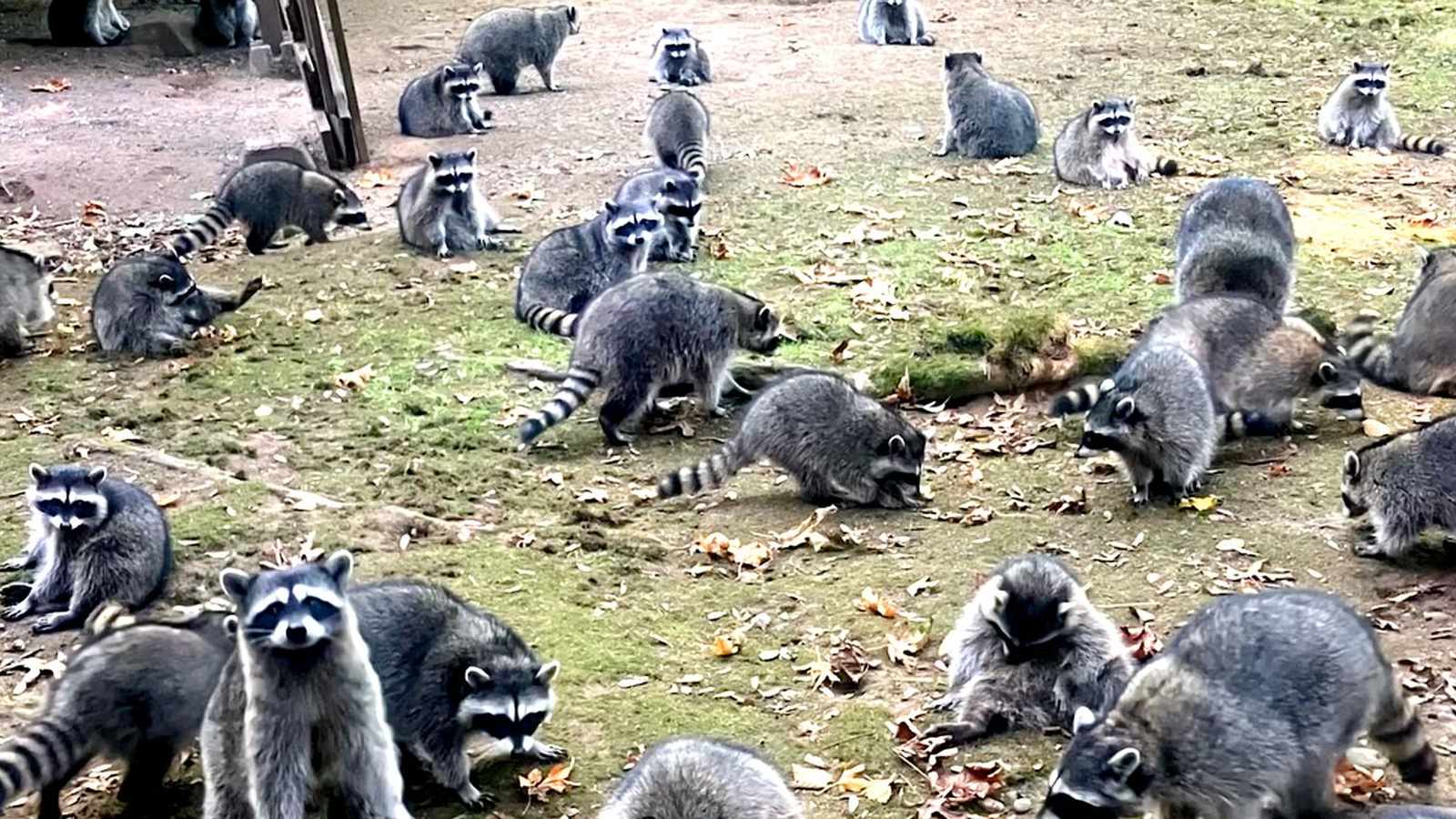
The health department’s warning stems from the potential for transmission of zoonotic diseases. Raccoons are known carriers of raccoon roundworm (Baylisascaris procyonis), a parasite whose eggs can persist in soil for years. If ingested, the larvae can migrate through the human body, potentially causing severe damage to the brain, eyes, and spinal cord. Officials also cited the risk of leptospirosis, a bacterial infection spread through contaminated urine, which poses a specific threat to dogs.
Beyond disease, authorities highlighted the physical danger of interacting with wildlife. Raccoons, even those appearing docile or suffering from physical impairments, can become aggressive if cornered or stressed. Bites and scratches from wild animals require immediate medical attention and carry the risk of severe injury.
Civic Folklore vs. Wildlife Welfare
The advisory comes as Seattle continues to embrace the animal. Local officials, including City Councilmember Alexis Mercedes Rinck, have planned civic celebrations, and the University of Washington has humorously awarded the raccoon an honorary degree. While these gestures highlight the raccoon’s role in local folklore, health officials maintain that the only safe way to support Jimothy is to observe him from a distance. Residents are advised to secure refuse bins, keep pet doors closed at night, and ensure pets are fed indoors to minimize the risk of attracting wildlife to residential areas.