


Strategic Portfolio Realignment
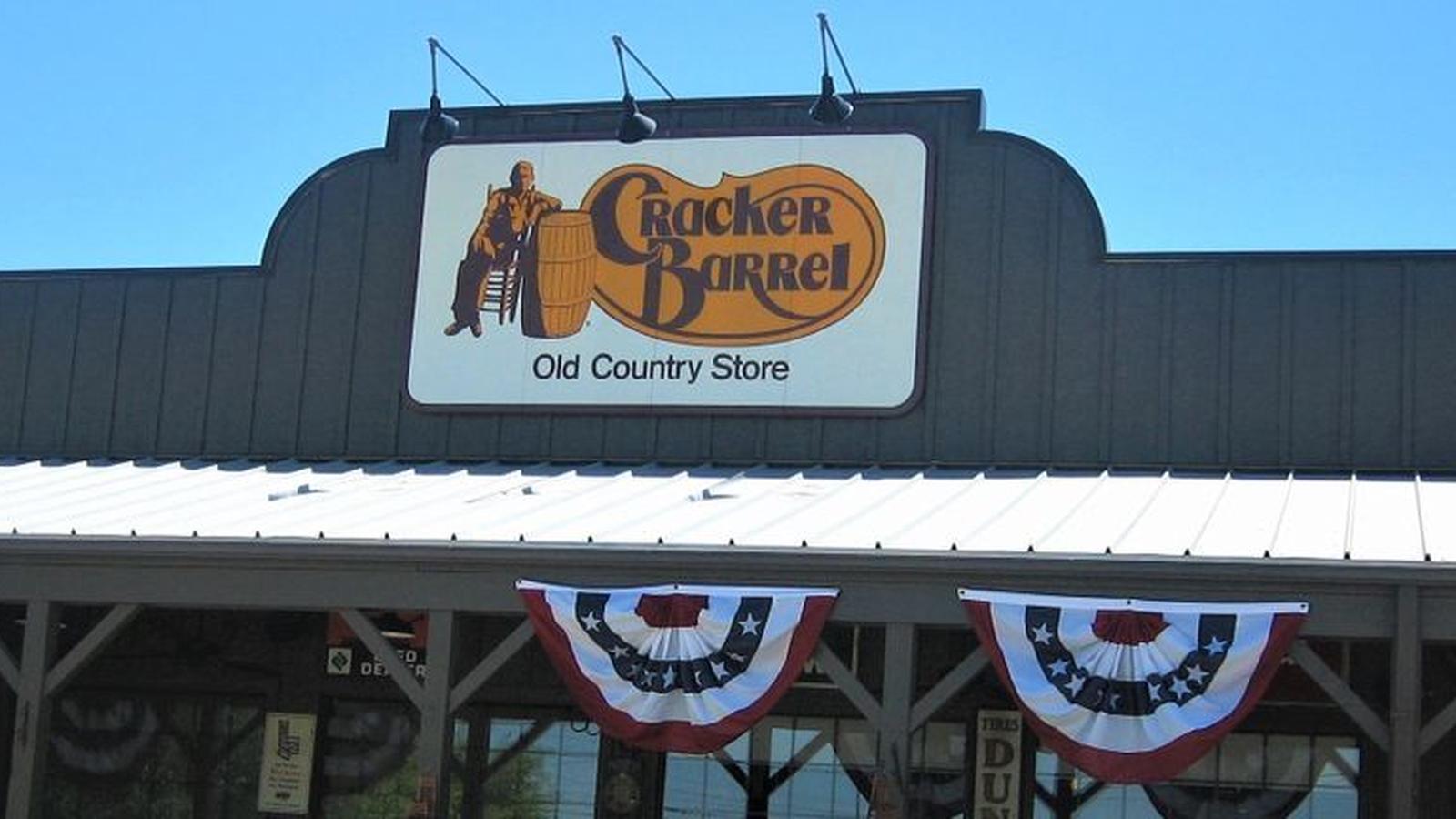
Cracker Barrel Old Country Store has officially exited the Maple Street Biscuit Company business, selling the brand and its assets to Biscuit Belly LLC. The move represents a significant pivot in the company’s turnaround strategy, aiming to consolidate resources and focus exclusively on the core Cracker Barrel restaurant and retail brand. While the majority of locations were acquired, Cracker Barrel confirmed the closure of 16 Maple Street sites that were not included in the transaction.
This divestment follows a period of evaluation for the smaller brand, which the company originally acquired for $36 million in 2019. According to official company statements, Maple Street accounted for less than 2% of Cracker Barrel’s annual revenue. For the buyer, Biscuit Belly, the acquisition provides a footprint for rapid expansion. The company plans to convert the acquired locations into Biscuit Belly stores over the next 18 to 24 months, targeting a growth trajectory of more than 60 total locations by the end of 2028.
Capital Allocation and Debt Reduction
Alongside the brand divestment, Cracker Barrel has finalized a $77 million sale-leaseback agreement involving 26 of its own restaurant properties. The company will continue to operate these locations under lease terms, effectively unlocking capital tied up in real estate to address debt obligations. This dual approach—divesting non-core assets and leveraging real estate—is central to management’s plan to improve profitability and strengthen the balance sheet during a challenging macroeconomic environment.
Despite the costs associated with these restructuring efforts, Cracker Barrel has raised its fiscal 2026 revenue and adjusted EBITDA outlook. Management signals that the focus on core operations, coupled with the reduction in debt-servicing requirements, creates a more sustainable path for long-term growth. The company previously projected revenue between $3.27 billion and $3.30 billion for the fiscal year ending July 31, 2026.
Operational Stakes
The success of this restructuring hinges on Cracker Barrel’s ability to stabilize guest traffic at its core locations. While capital moves have provided a short-term liquidity boost, the core business faces ongoing pressure regarding consumer dining habits and inflationary impacts. Investors are currently weighing whether these operational changes will translate into the margin expansion required to meet the company’s 2029 financial targets.