


Public Health Status Reclassified
The United States, Mexico and Bolivia lost their measles-elimination status after the virus circulated continuously for at least 12 months. The classification concerns sustained transmission, rather than a fixed case-count threshold. With outbreaks continuing, some adults may need to check their vaccination records, although most people who already have adequate protection do not need an additional dose.
According to reporting by Gulf News, most adults do not require a booster shot, as the vast majority are considered protected through childhood vaccination or previous natural infection. However, the current epidemiological landscape has made it necessary for certain demographics to verify their personal vaccination history or consult with a physician to determine if additional doses are required to ensure immunity.
Targeted Risk Groups and Vaccination History
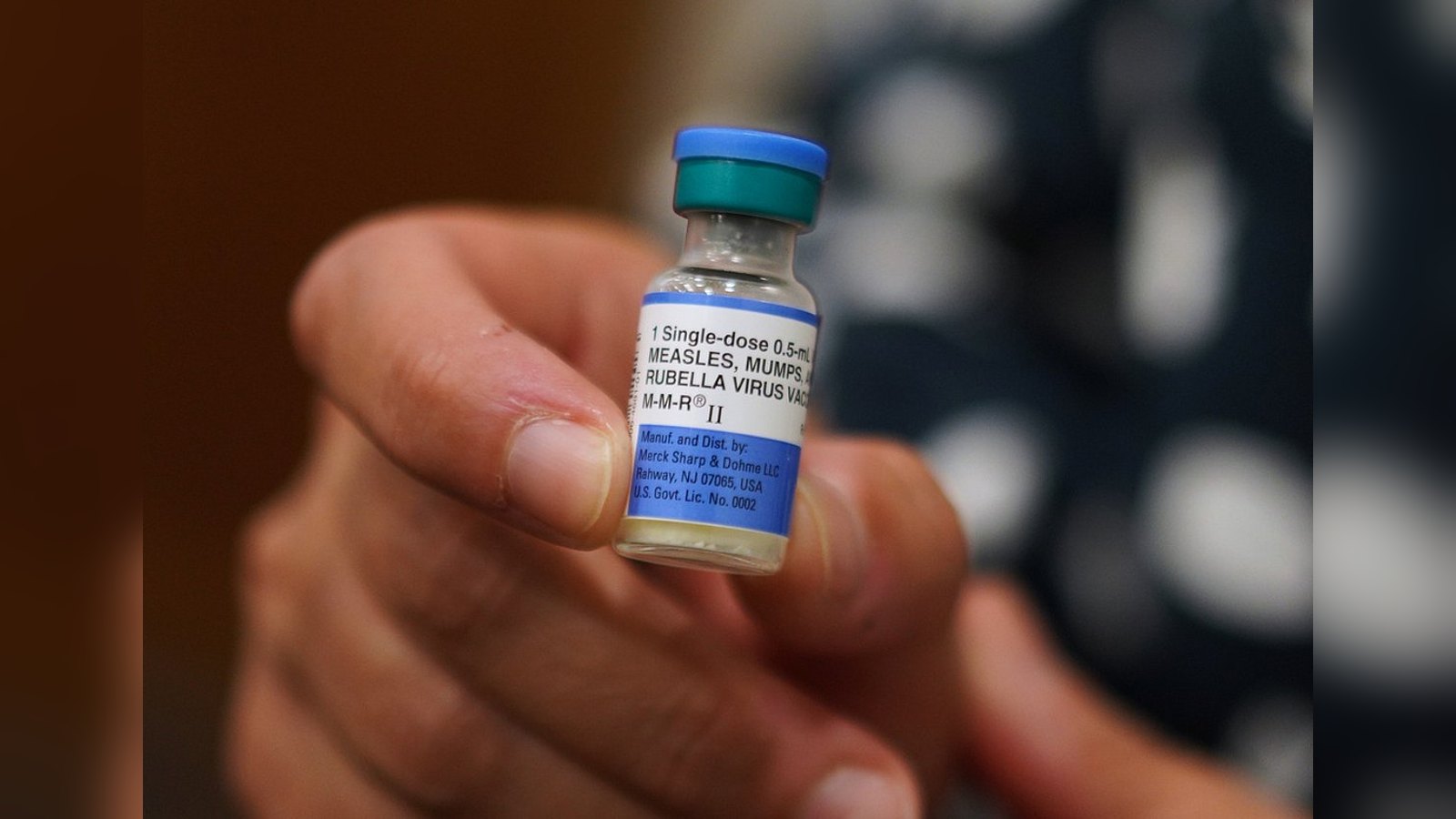
Medical experts emphasize that the standard for protection remains the two-dose series of the MMR (measles, mumps, and rubella) vaccine. Individuals born before 1957 are generally considered to have “presumptive evidence” of immunity, as the virus was widespread during their childhood, leading to natural exposure. For those born after this period, the focus shifts to documented vaccination records.
A small minority of people vaccinated in 1963–1967 received an inactivated measles vaccine. CDC guidance recommends revaccination with one or two MMR doses, depending on the person’s circumstances, for those who received that vaccine or an unknown vaccine type during those years. This does not mean everyone vaccinated in that period needs an extra dose. Most adults with adequate evidence of immunity do not need routine boosters.
Healthcare workers, students, international travelers, and individuals living with immunocompromised family members are prioritized for booster consideration. Dr. Joshua Sharfstein at the Johns Hopkins Bloomberg School of Public Health notes that in areas experiencing active outbreaks, health authorities may recommend that everyone in these high-risk categories ensure they have received two documented doses.
Navigating Vaccination Records
For adults who are uncertain about their immunization status, the Centers for Disease Control and Prevention recommends a systematic approach to verification. This includes consulting parents or former pediatricians, checking high school or university health records, and contacting previous employers that required immunizations. Furthermore, many state health departments maintain registries that may contain documentation for adult vaccines.
While blood tests can detect measles antibodies, Dr. Martinello cautions that these tests are not an ideal measure for assessing absolute safety. Although the tests are accurate in identifying the presence of antibodies, there is no standardized scientific consensus on how to correlate specific antibody levels with the precise degree of protection against infection. Consequently, for those who cannot confirm their vaccination history, receiving a booster dose is generally considered safe and practical, provided there are no medical contraindications, such as pregnancy.
As the virus continues to circulate, the current priority is to bridge the gap between complacency and proactive health management. Public health messaging is now shifting toward encouraging individuals to not only verify their own status but to assist others in their social circles in ensuring they are adequately vaccinated.