


The Scope of the Contamination Crisis
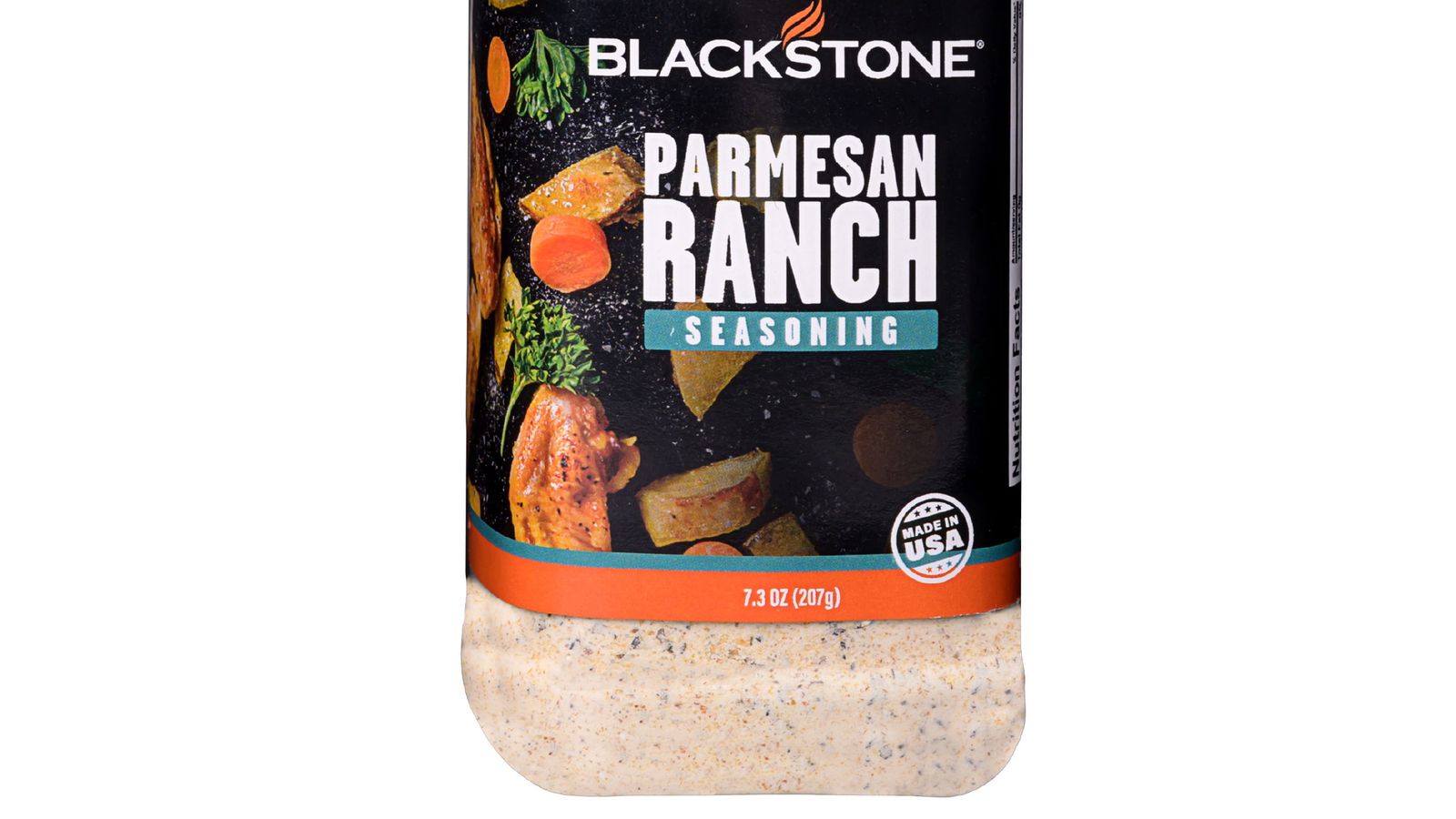
A significant food safety alert has been issued nationwide following the discovery of Salmonella contamination in milk powder supplied by California Dairies. This contamination has triggered a ripple effect across the food industry, resulting in a series of recalls involving diverse products ranging from snack mixes to specialty beverages. The latest developments include the recall of Blackstone Parmesan Ranch, sold exclusively at Walmart, and a wide array of beverage powders distributed to cafes and restaurants across 25 states.
The core issue stems from the use of contaminated low-heat nonfat dry milk powder in various manufacturing processes. According to the Food and Drug Administration (FDA), the potential for Salmonella—a bacteria that can cause serious and sometimes fatal infections—has necessitated the removal of these products from retail shelves and commercial supply chains to protect public health.
Specific Recalls: Blackstone Products and SKS Copack
Blackstone Products has initiated a recall for specific lots of its Parmesan Ranch seasoning. Consumers are urged to check their pantries for the 7.3-ounce bottles with the following identifiers: Lot 2025-43282 (Best by 7/2/2027), Lot 2025-46172 (Best by 8/5/2027), and Lot 2026-54751 (Best by 8/12/2027). While some reports have highlighted allergen concerns regarding undeclared milk, the primary food safety driver remains the Salmonella risk associated with the contaminated ingredient.
Simultaneously, SKS Copack has issued a recall for a significant volume of specialty drink powders. The list of affected brands includes Angel Specialty Products, Royal Gold, Boba Time, Fanale, and Denda. These products were widely distributed to cafes and restaurants. Affected items include various flavors of matcha, taro, latte bases, and smoothie powders. Consumers and business operators are instructed to verify lot codes against the official FDA recall notice, as these items are pervasive in the commercial beverage sector.
Regulatory Response and Consumer Guidance
The FDA is currently coordinating with downstream consignees to assess the full extent of the distribution of the contaminated California Dairies milk powder. With 10 distinct recalls now linked to this single ingredient source, regulators are emphasizing the importance of supply chain transparency. There have been no reported illnesses associated with the Blackstone or SKS Copack items to date; however, officials stress that the absence of reported cases does not mitigate the biological risk.
For the average consumer, the guidance is unequivocal: do not consume the affected products. Even if a product appears safe or has not caused immediate illness, the potential for bacterial contamination makes consumption unsafe. Consumers should dispose of the products immediately or return them to the point of purchase for a refund. Business owners are expected to audit their inventory to ensure that no recalled powders remain in use for beverage preparation.
The rapid expansion of this recall highlights the systemic vulnerabilities inherent in centralized ingredient sourcing. As manufacturers rely on shared suppliers for core ingredients like milk powder, a single point of failure can compromise hundreds of disparate products across various retail and commercial channels. While no illnesses have been reported, the scale of this recall serves as a critical reminder of the necessity for robust safety protocols and rapid communication channels between manufacturers, regulators, and the public to prevent localized contamination from escalating into a widespread food safety emergency.