


Analysis: Federal-Local Coordination at Sea-Tac
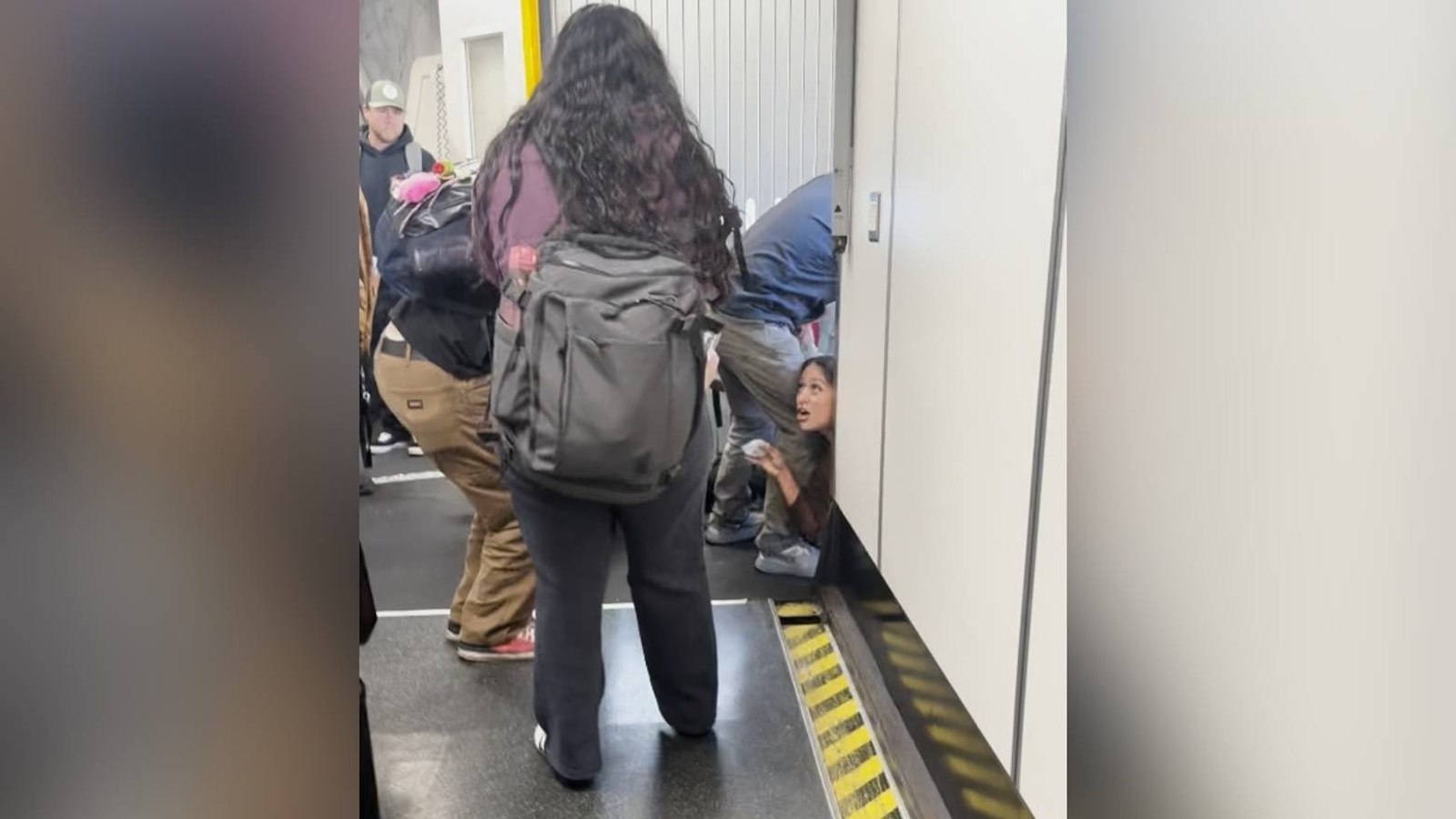
As reported by ABC News, the events of November 21, 2026, at Seattle-Tacoma International Airport (SEA) have ignited a political and operational crisis. The detention of two individuals—Ricardo Larrondo Mendoza and Sofia Hernandez Mejia—by masked Immigration and Customs Enforcement (ICE) agents on an active jetway has prompted rebuke from state leadership, including Governor Bob Ferguson and the Port of Seattle. This incident has raised concerns regarding jurisdictional protocols and the impact of federal operations on local infrastructure.
The Nature of the Jurisdictional Breach
Central to the outcry from the Port of Seattle is the allegation that federal agents bypassed established agreements regarding the coordination of enforcement actions at the airport. The Port of Seattle has historically maintained communication channels with local federal immigration offices to ensure operations are conducted without compromising the safety of the public or the facility. By executing an uncoordinated arrest on a jetway, agents reportedly disregarded these protocols. The Port of Seattle’s expression of “outrage” underscores a grievance: the perception that federal authorities acted unilaterally, leaving local management uninformed and potentially placing passengers at risk.
The Department of Homeland Security (DHS) stated the operation was a “targeted enforcement” action against Ricardo Larrondo Mendoza, citing visa overstay violations. Furthermore, the agency alleged that the situation escalated due to the interference of bystanders, specifically accusing Sofia Hernandez Mejia of assaulting an officer by throwing hot coffee. While these legal assertions form the basis of the federal response, they do not address the procedural concerns raised by state officials. The use of masked, unidentified personnel in a public space like an airport jetway has been described by Governor Ferguson as “horrific and chilling,” raising questions about the tactical necessity of such an approach in a civilian environment.
Broader Implications for Public Trust
The incident at SEA is part of a pattern of friction between Washington state officials and federal immigration enforcement. The critique offered by Governor Ferguson, who characterized the tactics as “out-of-control” and “un-American,” reflects a sentiment among local leaders that current federal strategies prioritize speed and visibility over public safety and community stability. This perspective is shared by Representative Adam Smith and Seattle Mayor Katie Wilson, both of whom emphasized that such operations stoke fear and diminish the perceived legitimacy of federal agencies. By conducting arrests in a manner that creates public disorder, ICE risks alienating the communities they operate within, complicating future cooperation between local law enforcement and federal entities.
Alaska Airlines has confirmed that it received no advance notification of the enforcement action. The airline’s commitment to reviewing the circumstances highlights the operational burden placed on private entities when federal agencies ignore established notification protocols. The airline has signaled that it will work with the Governor and the Port of Seattle to ensure that future operations respect the collaborative standards designed to maintain a secure and orderly air travel environment.
Scrutiny and Accountability
As the review into the protocols continues, the central challenge for Washington state officials is to secure an account of the decision-making process that permitted this specific operation. The Port of Seattle is engaged in discussions with DHS to determine where the communication failure occurred and whether these actions constitute a formal violation of the existing memorandum of understanding. The outcome of these discussions will likely determine the future of federal-local cooperation at the airport. If federal authorities cannot provide assurance that these protocols will be honored, local officials may pursue oversight measures to protect the integrity of airport operations.
The incident also serves as a reminder of the broader context of immigration enforcement in Washington. Recent months have seen other high-profile operations—such as the detention of individuals in the Mount Baker-Snoqualmie National Forest and a workplace arrest in Lynnwood—that have drawn criticism for the use of masked, plainclothes agents. For Governor Ferguson and other state leaders, the priority is to re-establish a framework where federal enforcement is predictable, transparent, and respectful of the jurisdictional boundaries that local authorities are tasked with maintaining.