


Editorial Breakdown at the BBC
On Monday, November 17, 2026, the BBC removed an excerpt of a recorded message from convicted sex offender Russell Brand from its BBC Sounds platform. The corporation acknowledged that the audio clip, in which Brand denied his guilt for crimes for which he was recently incarcerated, had been broadcast on the flagship Radio 4 Today show due to an internal “miscommunication within the team.”
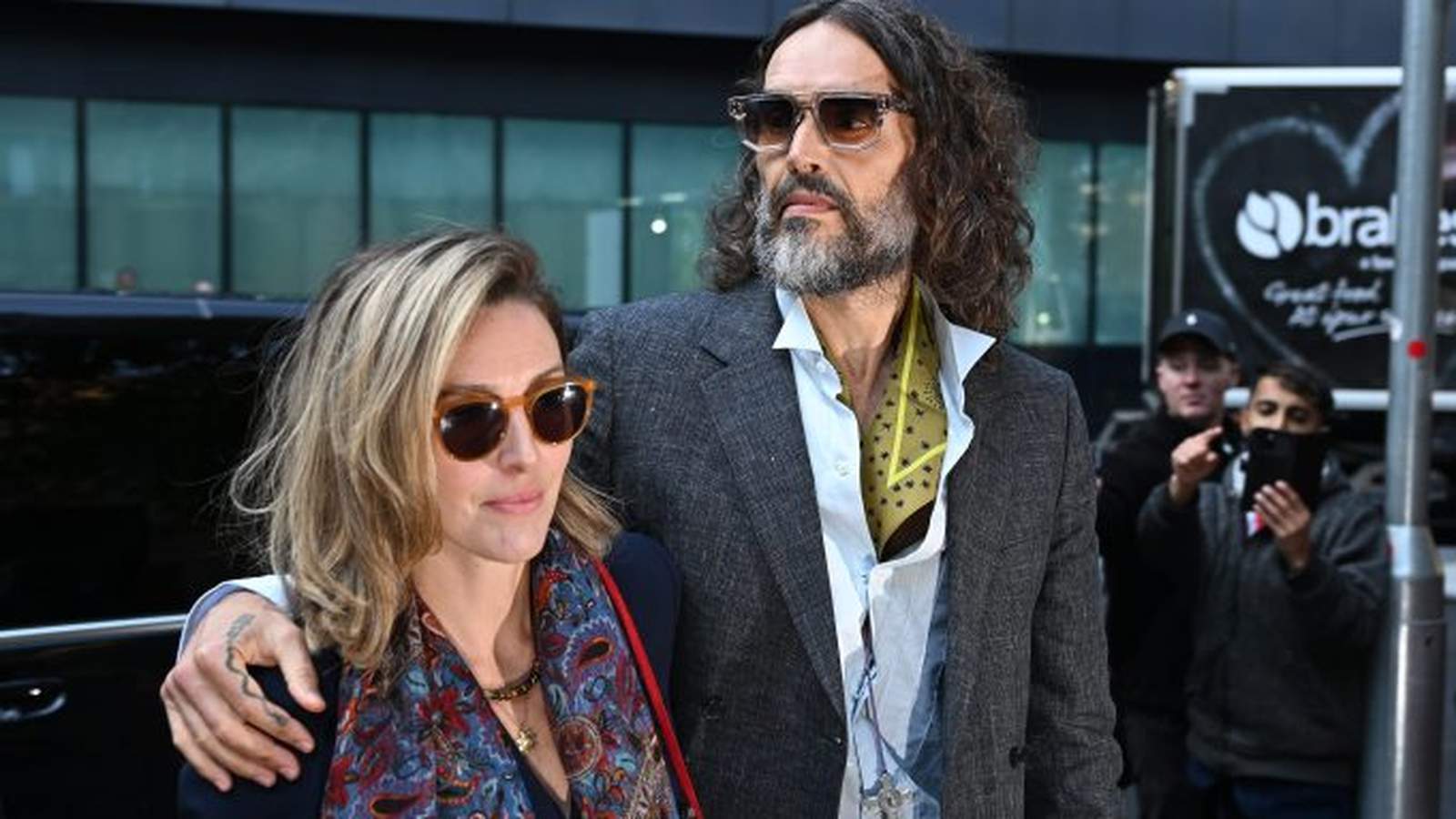
The broadcast occurred amid heightened public and government scrutiny regarding Brand’s ability to disseminate messages from prison. Brand, 51, is currently serving a 10-year and six-month sentence following his conviction earlier in November 2026 on one count of rape and three counts of sexual assault. The message in question was originally delivered via a YouTube video by his wife, Laura Brand, on Sunday, November 16, 2026.
The BBC’s decision to air the excerpt drew immediate condemnation from government officials and victims’ advocates. 10 Downing Street characterized the situation as “clearly appalling” and confirmed that an urgent investigation is underway to determine whether Brand violated strict prison regulations regarding public communications. Under current policy, prisoners are prohibited from making statements that cause distress to victims, and media engagement is restricted to exceptional circumstances. The government is investigating whether the use of a third party to publish these comments constitutes an attempt to circumvent these rules.
Political and Public Reaction
The incident has ignited a broader debate regarding the responsibility of media organizations and digital platforms in handling content produced by high-profile inmates. Justice Secretary Alex Norris emphasized that prisoners are banned from issuing public statements that could distress their victims. The broadcast of Brand’s denial of his convictions—in which he stated he was “not guilty for the offences I have been jailed for”—was viewed by many as a direct insult to the judicial process.
Mia Latter, a survivor who waived her anonymity to testify against Brand, described the broadcast as “appalling.” Speaking on The Jeremy Vine Show, as reported by The Windsor Observer, Latter criticized YouTube for allowing the original video to remain accessible, arguing that platforms hold a responsibility to prevent the dissemination of content that causes further harm to victims.
The BBC’s statement, issued following the Deadline report, confirmed that the error occurred during the production of the Today show. While the BBC has removed the clip from its on-demand service, the original video remains live on YouTube, which has not yet issued a formal comment regarding the content’s removal or moderation status.
Institutional Consequences and Next Steps
The government’s investigation into Brand’s actions is expected to focus on how the message was recorded and transmitted to the public. If it is determined that Brand orchestrated the publication of his statement to bypass prison rules, he may face further disciplinary measures. The incident highlights the complex challenge for broadcasters in balancing editorial coverage of high-profile news with the ethical implications of amplifying the voices of convicted sexual offenders.
For the BBC, this event necessitates a review of its internal editorial processes, particularly regarding the handling of sensitive content involving convicted felons. The corporation’s swift removal of the audio from BBC Sounds signals an attempt to mitigate the backlash, but the incident has already prompted questions about the level of oversight applied to morning news segments. As the investigation at 10 Downing Street proceeds, stakeholders will be watching to see if stricter guidelines are enforced for both prison communications and the media outlets that choose to report them.