


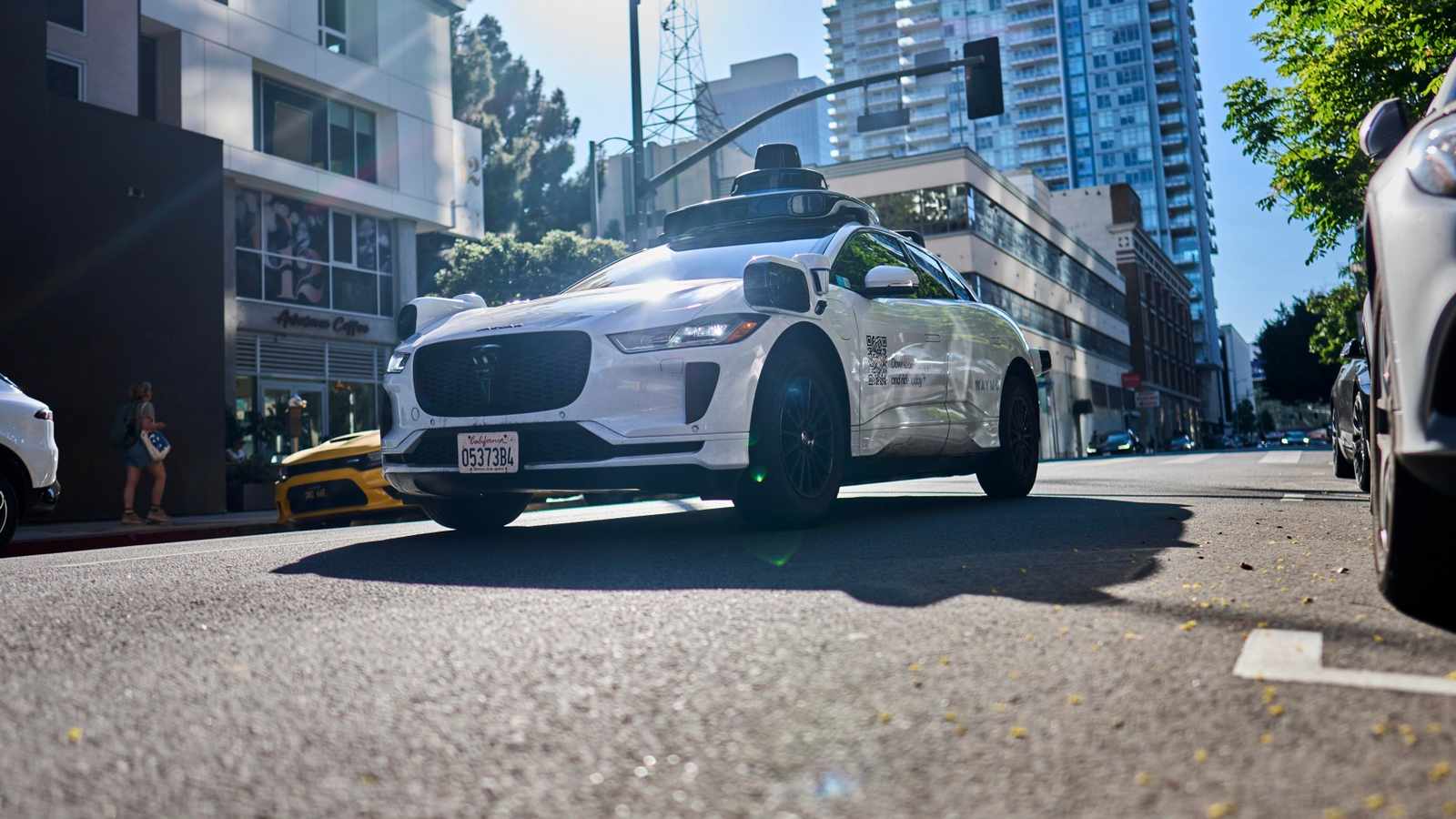
A routine late-night autonomous ride in San Francisco took an abrupt turn when a Waymo robotaxi autonomously pulled over and alerted law enforcement, leading to the arrest of two minors carrying a loaded, unregistered firearm. The incident, first reported by The Independent, highlights the growing role of autonomous vehicles as active monitoring hubs and raises critical questions about passenger privacy and real-time cabin surveillance.
The High-Risk Interception
The confrontation occurred in the early hours of the morning when San Francisco Police Department (SFPD) officers were dispatched to 40th Avenue just before 4:00 a.m. According to SFPD spokesperson Allison Maxie, officers engaged in what was described as a “high-risk vehicle stop” on the stationary driverless car.
Upon searching the vehicle, officers discovered a loaded AR-style assault rifle, commonly referred to as a “ghost gun” due to its lack of commercial serial numbers and untraceable, often 3D-printed components. In addition to the military-style rifle, police recovered suspected marijuana and mace spray from the passengers. The suspects, one male and one female minor whose identities have been withheld due to legal protections, were arrested on the spot and booked into the local Juvenile Justice Center on charges related to illegal firearm possession.
Waymo subsequently confirmed the details of the incident to the Los Angeles Times, stating that its onboard systems had detected a “violation of our terms of service involving a firearm.” Once the violation was identified, the vehicle’s remote operations or automated routing systems directed the car to pull over and immediately notified local authorities.
The Surveillance Mystery: How Did the Car Know?
While Waymo’s strict Rider Rules explicitly prohibit passengers from carrying weapons of any kind, the incident has ignited intense debate over the exact mechanism of detection. Neither Waymo nor the police have disclosed whether the weapon was identified via real-time artificial intelligence analyzing interior camera feeds, audio monitoring, or manual human review by remote operators.
As reported by The Verge, this capability underscores a stark reality for modern commuters: “Your robotaxi can and will snitch on you.” Unlike traditional rideshare services where a human driver decides whether to intervene, autonomous vehicles operate under continuous, centralized corporate oversight. The ability of a vehicle to recognize a highly customized, unregistered “ghost gun”—which lacks standard manufacturing markings—suggests a highly sophisticated level of real-time object recognition or active human monitoring inside the cabin.
A Precedent of Tactical Deception
This is not the first instance of Waymo’s internal monitoring leading to police intervention. In July, company employees contacted the San Mateo Police Department to report two 15-year-old boys who were drinking alcohol and firing water beads from a toy gun inside a cruising vehicle.
During that previous encounter, Waymo chose not to alert the teenagers that law enforcement had been summoned. Instead, the company fed the passengers a false story, claiming the vehicle was pulling over due to unexpected “mechanical issues.” San Mateo Police spokesperson Jeanine Luna later confirmed that while the vehicle’s doors were never locked, the tactical deception was used to keep the minors in place until officers arrived. It remains unclear if Waymo employed a similar ruse during the high-risk stop in San Francisco to prevent the armed juveniles from fleeing.
The Broader Implications for Privacy
The intersection of private autonomous transport and public law enforcement is expanding rapidly. Waymo, which began as Google’s self-driving car project in 2009 before spinning off as an independent subsidiary of Alphabet in 2016, has recently expanded its commercial operations to San Diego, Denver, and Tampa.
As these driverless fleets become integrated into the fabric of urban transit, passengers are increasingly surrendering traditional expectations of privacy. The transition from passive safety monitoring to active, real-time law enforcement reporting represents a major shift in public surveillance. While the removal of an illegal assault rifle from the streets is viewed as a clear public safety victory, civil liberties advocates warn that the lack of transparency regarding how passenger data is analyzed, stored, and shared with police could turn everyday transit into an unregulated dragnet.