


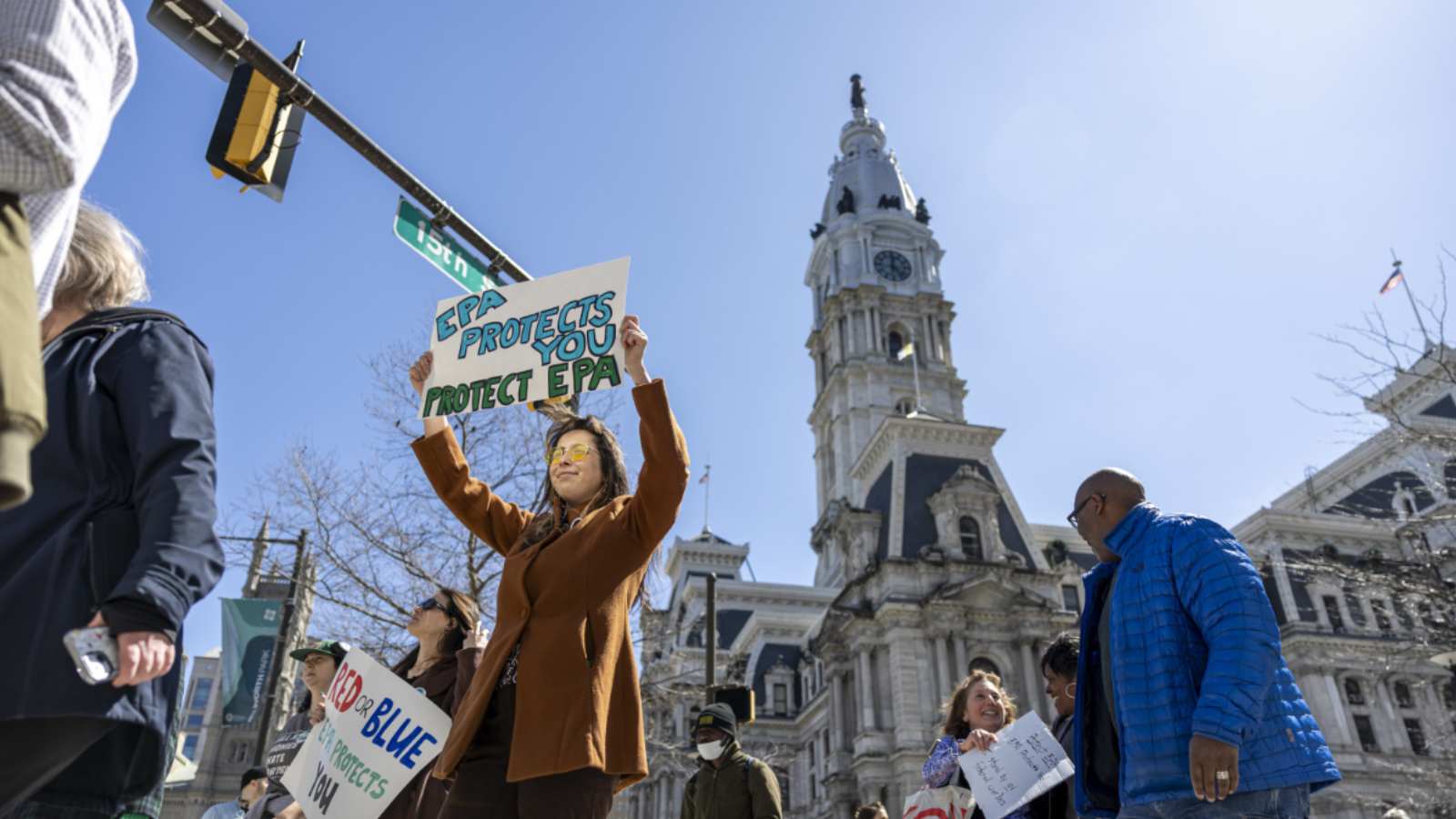
Proposals to impose new taxes on wealth are gaining momentum in local and state legislatures across the United States, yet they are simultaneously encountering significant legal and constitutional resistance. From Philadelphia to Washington State, policymakers are grappling with the tension between the need for new revenue streams and the rigid constraints of state and federal law.
The Growing Push for Revenue
In Philadelphia, local advocates and analysts are urging the city to adopt progressive tax models to address widening budget gaps, exacerbated by federal cuts to social safety nets. Rita Jefferson, a local analyst for the Institute on Taxation and Economic Policy, suggests that a modest 0.4 percent tax on non-material assets—such as stocks and bonds—could generate over $200 million annually. This push aligns with broader national trends, as cities like Chicago and New York explore similar mechanisms to capture revenue from high-value real estate and digital assets.
Constitutional Roadblocks
Despite the political appeal, the path to implementation remains fraught with legal risk. In Washington State, Governor Bob Ferguson recently received a confidential memo from his own Attorney General’s office warning that proposed wealth taxes face a “realistic possibility” of being struck down in court. The memo highlights concerns regarding the “uniformity clause” of the state constitution, noting that attempts to create tax brackets for wealth could be deemed unconstitutional.
Critics, such as Paul Guppy of the Washington Policy Center, argue that these legal warnings confirm long-standing concerns about the viability of such taxes. “You don’t need to be a lawyer to understand the uniformity clause,” Guppy stated, emphasizing that the drafting of state constitutions was intended to prevent discriminatory tax structures.
Global Context and Future Stakes
The debate is not limited to the U.S. The World Inequality Lab, led by economist Thomas Piketty, has recently advocated for a global vision of taxation to address inequality and climate change. However, legal experts warn that translating these visions into policy requires navigating complex jurisdictional hurdles. As states like California prepare for upcoming ballot initiatives regarding billionaire taxes, the outcomes of these legal battles will likely set a precedent for the future of fiscal policy, determining whether wealth taxation can become a sustainable tool for government funding or if it will remain a legally untenable ambition.