


The Growing Appeal of Blue Spaces
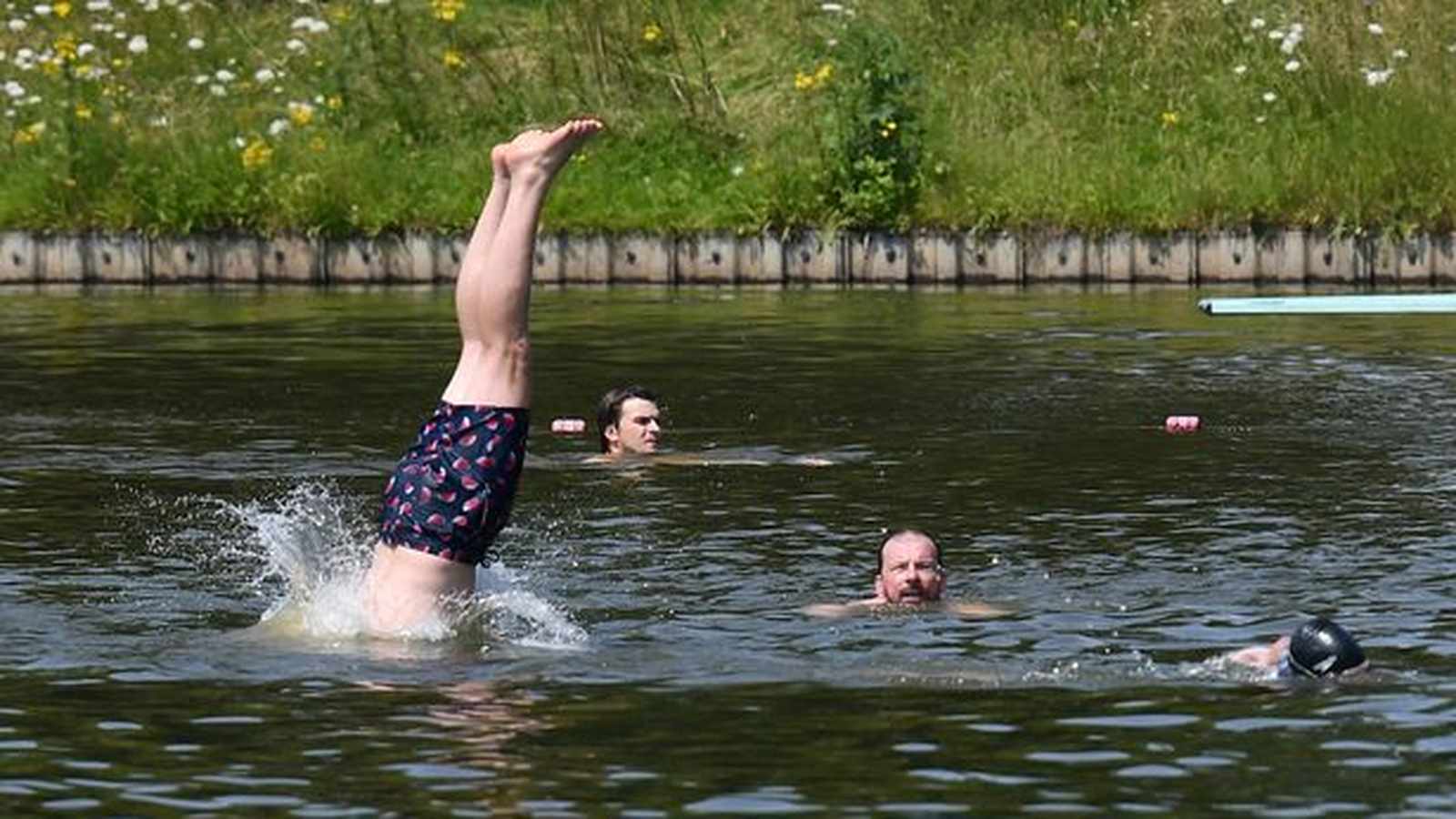
Open-water swimming, or ‘wild swimming’, has seen a significant surge in popularity across the UK, US, and Australia over the past decade. Driven by social media trends and a growing public interest in the mental health benefits of ‘blue spaces’, thousands are trading chlorinated pools for rivers, lakes, and coastal waters. However, health experts are increasingly sounding the alarm: the very environments that offer relaxation may also carry significant, often invisible, health risks.
While urban centers like Paris have invested heavily in infrastructure—such as the €1.4bn Seine cleanup project featuring a massive underground stormwater basin—these measures are often tested by extreme weather. Isabel Douterelo Soler, a senior lecturer in environmental microbiology at the University of Sheffield, notes that urban rivers often become microbiologically unsafe for up to 72 hours following heavy rain due to sewage overflows and agricultural runoff.
Understanding the Biological Stakes
The primary hazards for swimmers include gastrointestinal illnesses, which are consistently linked to the ingestion of contaminated water. More severe, albeit rarer, risks include leptospirosis, a bacterial disease transmitted through the urine of rodents and livestock. Triathletes and frequent swimmers are particularly cautioned to cover open wounds and avoid swallowing water, as even low-level exposure can lead to serious health complications.
Furthermore, slow-moving or warm stretches of water can host cyanobacteria, or blue-green algae. These blooms release toxins capable of causing skin irritation, eye issues, and, in severe cases, damage to the liver or nervous system. The presence of antibiotic-resistant bacteria, such as E. coli, has also been identified by researchers like Isobel Stanton of the UK Centre for Ecology and Hydrology, complicating the treatment of infections acquired in polluted water.
The Limitations of Official Monitoring
Many swimmers rely on official water quality data, but experts warn that these systems are not designed for real-time safety assessments. In the UK and US, monitoring often focuses on long-term trends using faecal indicator bacteria. Because test results can take 24 to 48 hours to process, they often fail to capture sudden, weather-induced pollution spikes. Consequently, swimmers are encouraged to adopt a ‘precautionary approach’ by observing environmental cues: avoiding swimming after storms, checking for unusual odors, looking for opaque ‘pea-soup’ green water, or noting the presence of dead fish.