


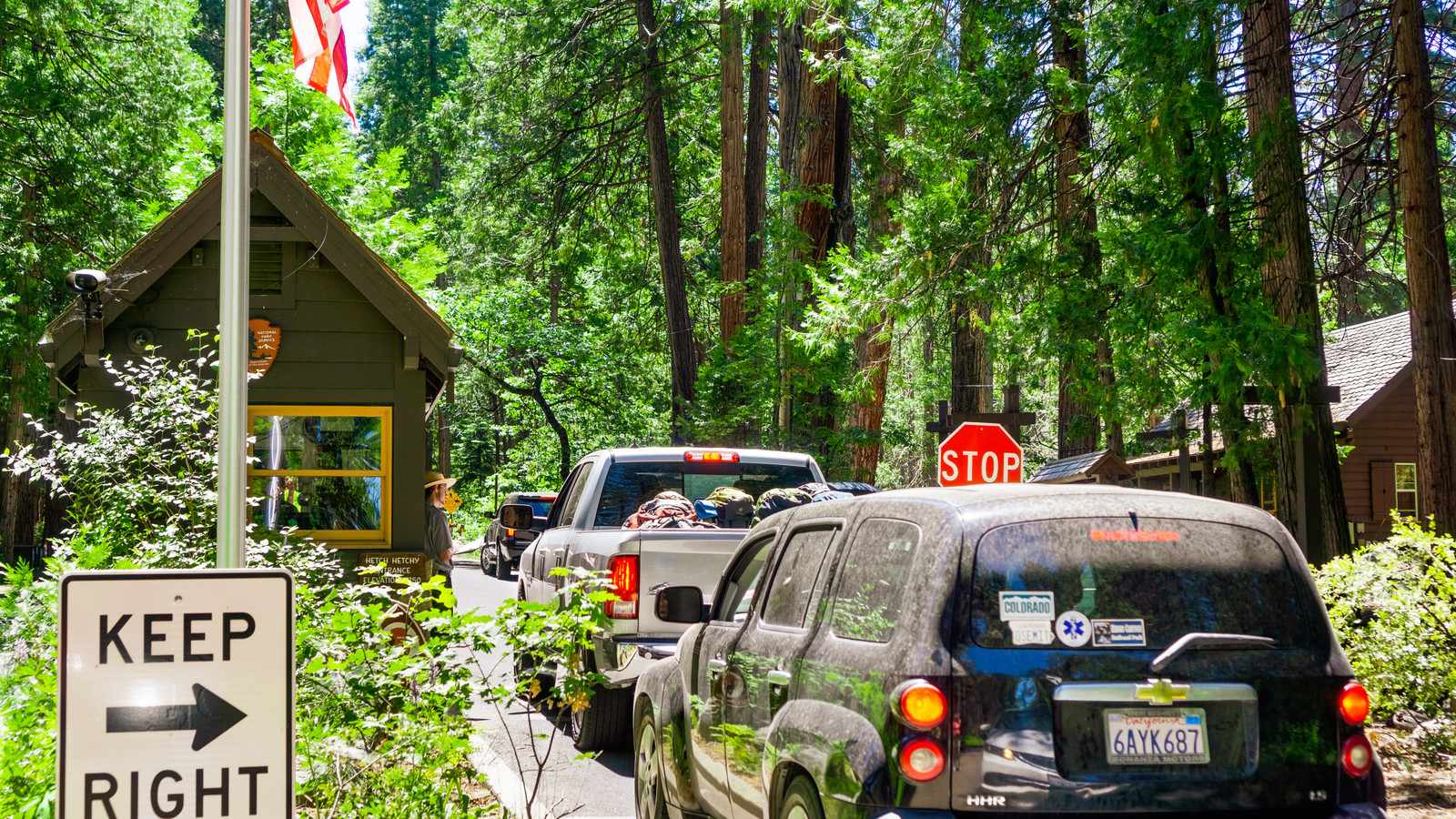
Yosemite National Park is grappling with severe operational strain and gridlock after the National Park Service (NPS) eliminated its timed-entry reservation system for the 2026 summer season. On the weekend of May 2, 2026, visitors encountered hour-long queues and parking capacity reached critical levels by mid-morning, forcing officials to urge drivers to avoid Yosemite Valley entirely. The congestion, which extended to the south entrance on Highway 41, marks a stark shift in the park’s accessibility following the February 18 decision to abandon the reservation model in favor of real-time traffic management.
The Impact of Removing Timed-Entry Systems
The removal of the reservation system was intended to streamline entry, but early data from the 2026 season suggests the opposite result. NPS records indicate that March 2026 visitation surged to 225,817, a 44.98% increase compared to the same period in 2025. This influx has left park staff, who are already navigating a 25% reduction in workforce, unable to manage the volume of vehicles. Critics, including the National Parks Conservation Association (NPCA), warned that the policy change would lead to ruined visitor experiences and potential damage to fragile ecosystems. John Buckley, executive director of the Central Sierra Environmental Resource Center, described the current conditions as a “crammed-together” experience where visitors are forced to park illegally along roadsides.
Economic Friction for International Tourists
Complicating the visitor experience is a new 2026 fee structure that has ignited significant public debate. Non-US residents aged 16 and older are now required to pay a $100 per-person entry fee at 11 major national parks, including Yosemite, in addition to the standard $35 vehicle entrance charge. The policy, which has gone viral on social media platforms, has sparked controversy regarding its impact on international tourism and the logistical challenges of implementing mandatory residency checks at already congested gatehouses. While some proponents argue that differential pricing for foreign tourists is a global standard, critics fear it adds unnecessary friction to an already overstretched park system.
Management Strategies Amid Unstaffed Gates
With some entrance stations left unstaffed during business hours and signs instructing visitors to pay upon exit, park management is relying on temporary traffic diversions to maintain order. Yosemite Superintendent Ray McPadden has defended the removal of the reservation system, framing it as a move toward greater accessibility. However, the operational reality on the ground remains volatile. Advocacy groups maintain that the lack of visitor limits places iconic natural resources at risk. For those planning a visit, officials suggest avoiding weekends, arriving early in the morning, or participating in organized conservation efforts to mitigate the pressure on park infrastructure.
The surge in attendance combined with staffing shortages suggests that Yosemite’s current reliance on reactive traffic management is insufficient to handle peak-season demand, indicating that the park may be forced to revisit restrictive entry policies if resource degradation continues to accelerate.