


Strategic Pivot in Defense Procurement
In a significant shift for its national defense strategy, the Canadian government has officially signaled interest in joining the Global Combat Air Program (GCAP), a next-generation fighter jet initiative led by the United Kingdom, Italy, and Japan. Canadian Minister of National Defense David McGuinty confirmed the interest following high-level discussions in Tokyo with his Japanese counterpart, Shinjiro Koizumi.
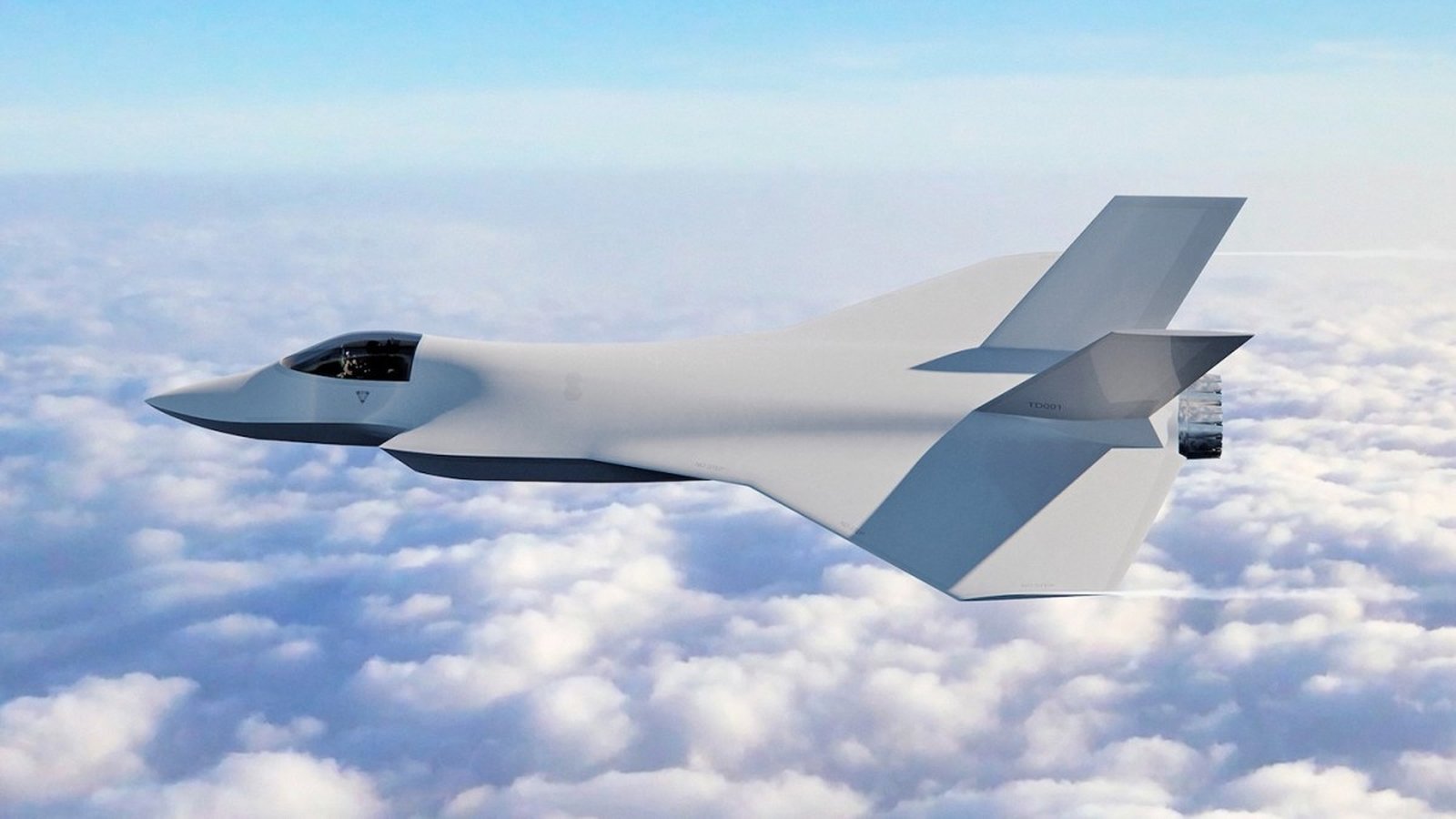
The GCAP program, centered on the development of the ‘Tempest’ crewed fighter, represents a move toward sixth-generation air combat capabilities. While Canada remains committed to its current F-35 procurement, the signaling suggests that Ottawa is actively considering a split-buy approach to its future fighter fleet, potentially reducing its total reliance on U.S. defense technology.
The Case for a Mixed Fleet
The interest in GCAP coincides with a broader effort by the administration of Prime Minister Mark Carney to re-evaluate the country’s long-term defense requirements. Despite an initial plan to acquire 88 F-35s, the project has faced significant cost escalations, with estimates climbing from $19 billion in 2019 to $27.7 billion today. Defense officials have argued that a mixed fleet could offer superior operational flexibility, particularly for patrolling Canada’s vast Arctic territory and maintaining a presence in the Indo-Pacific.
“We are interested in learning more about it,” McGuinty stated following his meeting in Tokyo. Italian Defense Minister Guido Crosetto has publicly welcomed the potential for Canadian involvement, noting that expanding the partnership could help distribute development costs and enhance industrial cooperation.
Commercial Momentum in Japan
The defense discussions occurred during a larger ‘Team Canada’ trade mission, which resulted in over $1.7 billion in commercial agreements. Minister of International Trade Maninder Sidhu emphasized that these deals, which include cooperation between MDA Space and Mitsubishi Electric Corp., reflect Canada’s ongoing effort to diversify trade and security partnerships in the Indo-Pacific region.
While joining GCAP could present logistical and industrial challenges—given that the program’s workshare agreements are already well-defined—analysts suggest that Canada’s potential participation underscores a desire to secure high-end capabilities that align with emerging threats from Russia and China.