


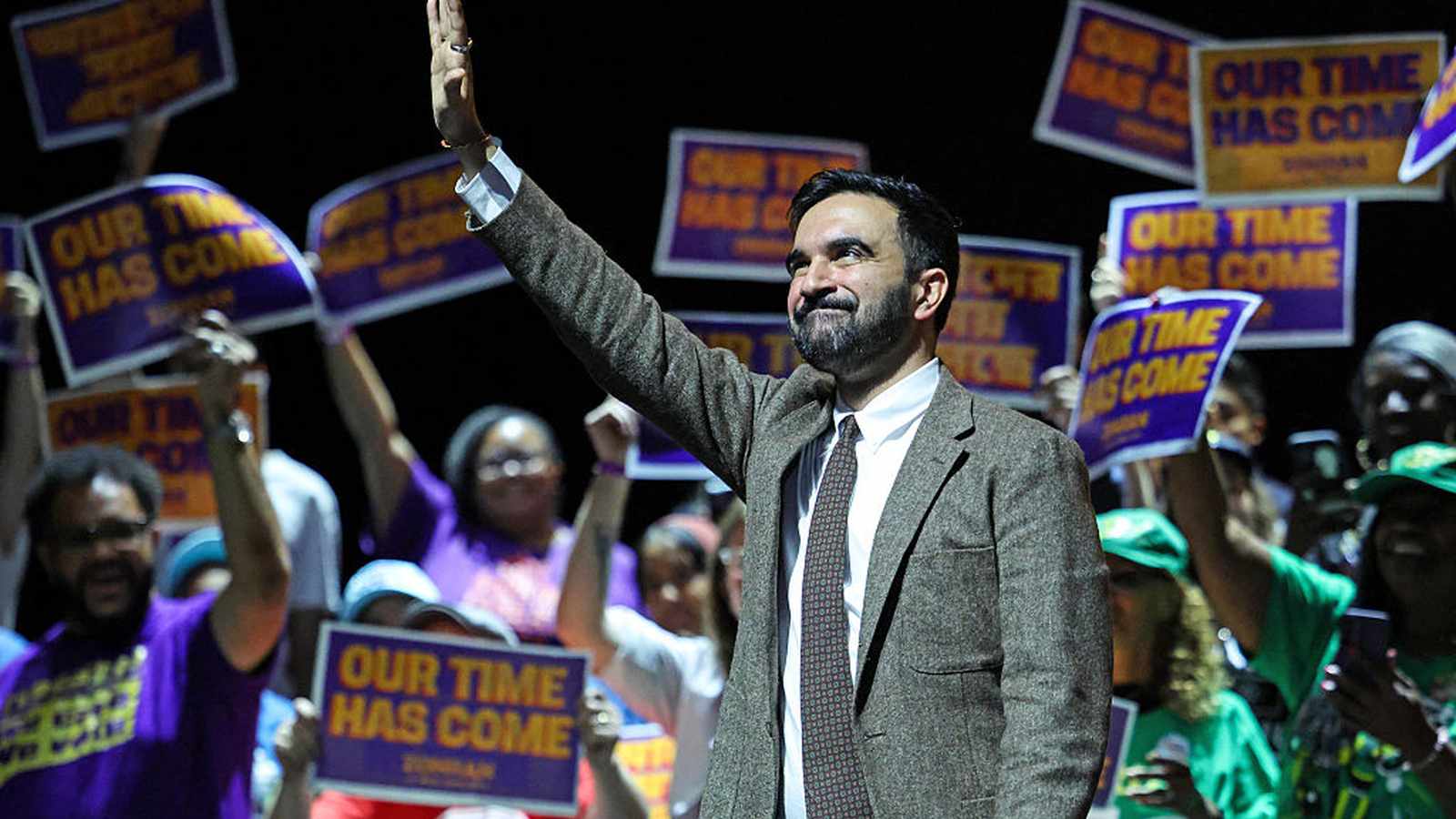
Zohran Mamdani’s Poll Lead Faces Late-Election Headwinds
On the eve of New York City’s mayoral election, the city finds itself at the center of a political whirlwind. Zohran Mamdani, the self-described Democratic Socialist, heads into Election Day with a consistent polling lead—yet, in a campaign marked by heavy rhetoric, high-profile endorsements, and threats from the President himself, nothing feels certain.
According to the Real Clear Polling average, Mamdani holds a +14.7 point advantage over independent candidate Andrew Cuomo as the final ballots are cast. This lead, however, has narrowed in the most recent AtlasIntel poll, which pegs Mamdani at 43.9% to Cuomo’s 39.4%, with Republican Curtis Sliwa trailing at 15.5%. The tightening race reflects the city’s shifting political landscape, shaped as much by policy debates as by personality clashes.
Presidential Threats and the Politics of Endorsement
President Donald Trump’s intervention in the campaign has upended traditional party lines. In a post on Truth Social, Trump threatened to withhold federal funding from New York City if Mamdani were elected, claiming the city would become a “complete and total economic and social disaster.” He labeled Mamdani a “communist,” a charge the candidate has repeatedly refuted, insisting his platform is rooted in democratic socialism and city-specific reform.
Trump’s endorsement of Cuomo—despite the latter’s Democratic roots—further complicated the race. “A vote for Curtis Sliwa is a vote for Mamdani,” Trump wrote, urging New Yorkers to rally behind Cuomo as the only viable alternative. For Sliwa, the Republican nominee, the message was clear: the president sees him as a spoiler rather than a contender.
The impact of these endorsements is palpable. Cuomo, once the state’s governor and now running as an independent, has drawn significant support from older and centrist voters, especially in the city’s Jewish communities. Meanwhile, Mamdani enjoys strong backing from progressive circles and younger voters—a fact reflected in the historic early voting turnout, which saw more than 735,000 ballots cast, many by first-time and youth voters.
Endorsements and Divisions Within Parties
The Democratic Party itself has wrestled with Mamdani’s candidacy. DNC Chair Ken Martin, speaking to CNN, emphasized the party’s “big tent” philosophy: “We are a big tent, there’s room for all types of Democrats… you win elections through addition, not subtraction.” Despite internal debates, Martin confirmed support for Mamdani, arguing that the will of primary voters must be respected.
High-profile Democrats have lent their support to Mamdani in recent weeks, including House Minority Leader Hakeem Jeffries, New York Representative Alexandria Ocasio-Cortez, Governor Kathy Hochul, and Senator Bernie Sanders. Yet, some endorsements have been late, reflecting lingering discomfort among moderates about Mamdani’s leftist platform.
Cuomo, meanwhile, has leveraged his experience and centrist policies to court older and more cautious voters. His campaign stops at senior centers across the city highlight this strategy, as does his emphasis on “affordability, safety, and opportunity.” Cuomo’s platform promises 50,000 new affordable homes, expanded healthcare and transit subsidies, police retention bonuses, and stricter tenant protections—a blend of progressive aims and pragmatic governance.
Community Fault Lines and Key Policy Debates
Jewish voters have emerged as a pivotal demographic in the race. Surveys indicate Cuomo holds a strong advantage among Jewish New Yorkers, earning 55–60% support, bolstered by endorsements from over 1,100 rabbis and several community organizations. Critics cite Mamdani’s past rhetoric on Israel and Palestinian rights as cause for concern. Yet, progressive Jewish groups and more than 1,300 rabbis have publicly defended Mamdani’s candidacy, arguing his views stem from moral conviction rather than hostility.
This split is especially pronounced in Hasidic communities, where dueling endorsements have been issued and the debate over community security and social justice continues to simmer. The polarization speaks to the broader tensions in New York politics: identity, safety, and the future direction of city policy.
Housing, crime, and education remain at the heart of voters’ concerns. Mamdani’s campaign has focused on affordability, apologizing for past missteps but emphasizing the need for systemic change. Cuomo’s platform centers on experience and stability, warning that Mamdani’s “inexperience” could be “reckless and dangerous” given the complexities of governing New York.
Final Hours: The Push for Votes and the Battle for NYC’s Future
As the last campaign events unfold, all candidates are making their final pitches. Mamdani appeared on CNN and MSNBC, reflecting on his campaign’s challenges and his conversations with $1 Barack Obama, who offered advice but no formal endorsement. “The only endorsement I’m looking for is from the people who call the city home,” Mamdani said, aiming to rally grassroots support amid high-profile attacks.
Cuomo has responded to Trump’s backing with cautious distance: “He called me a ‘bad Democrat.’ First of all, I happen to be a good Democrat, and I’m going to stay a proud Democrat.” He has also tried to position himself as the pragmatic alternative, capable of navigating federal threats and city crises.
Republican Curtis Sliwa, endorsed by former mayor Rudy Giuliani, remains a distant third but continues to campaign energetically. Giuliani praised Sliwa’s connection with “everyday New Yorkers,” while Sliwa thanked Giuliani, urging voters to “ignore the noise.”
With more than 735,000 early votes cast and high turnout expected on Election Day, the final result remains uncertain. Each candidate’s coalition—progressive youth for Mamdani, centrist seniors for Cuomo, and a dwindling Republican base for Sliwa—reflects the city’s shifting priorities and anxieties.
Ultimately, the race is about more than personalities or party lines. It is a test of New York’s resilience, its ability to navigate national polarization, and its commitment to a future that balances innovation with experience.
In this high-stakes contest, Zohran Mamdani’s polling lead is both a reflection of generational change and a challenge to the city’s political norms. The threats of withheld federal funding and the fracturing of traditional party loyalties underscore how New York’s mayoral race has become a microcosm of America’s broader political turbulence. The outcome will hinge not just on numbers, but on the city’s willingness to embrace new voices while safeguarding its core values.