


Market Incentives Over Regulation
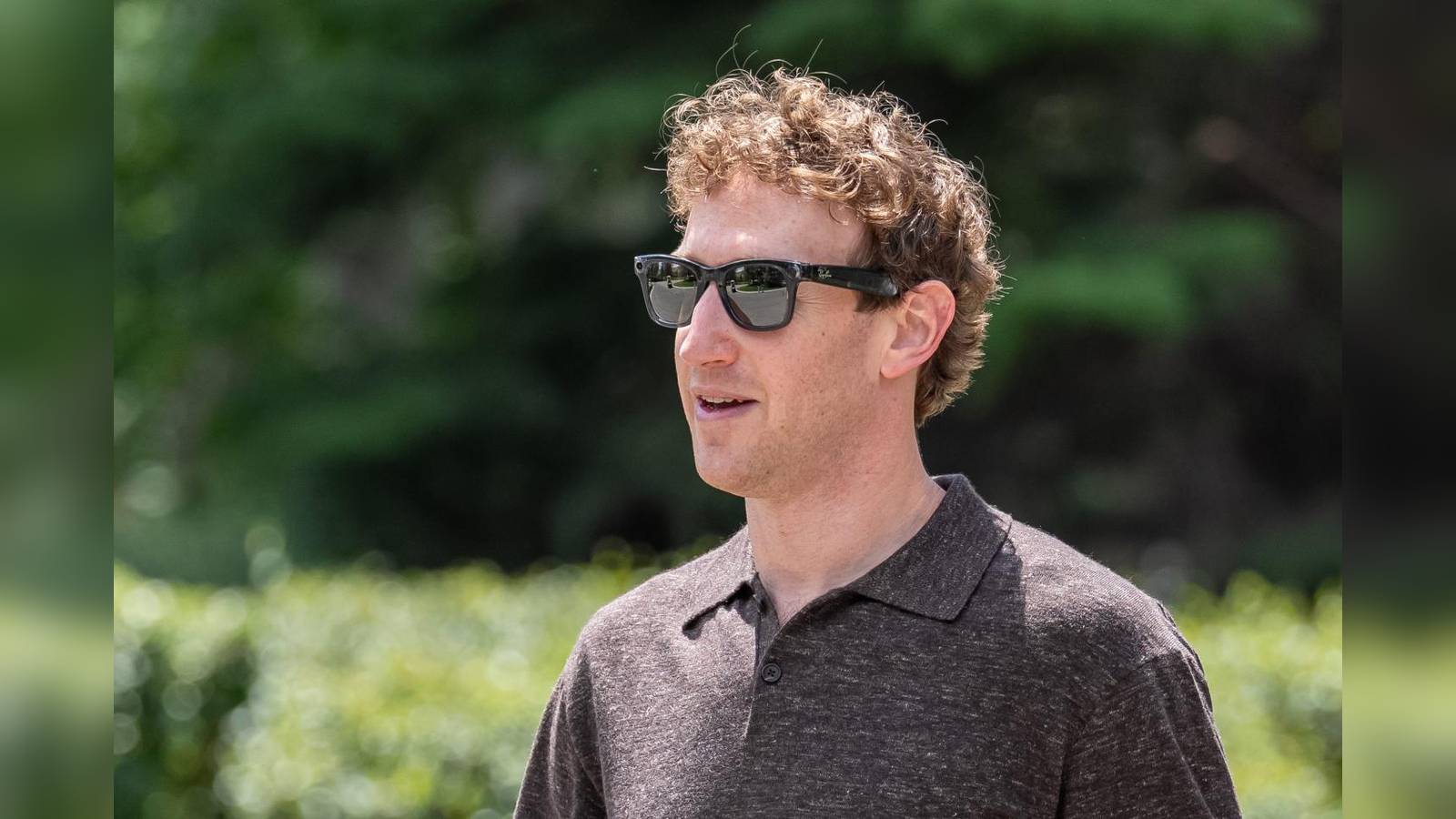
Meta CEO Mark Zuckerberg has officially distanced himself from the growing movement of AI safety advocates calling for a coordinated industry slowdown. In a social media post published Tuesday, Zuckerberg argued that market forces—specifically consumer demand for reliable, aligned technology—provide a sufficient check on the risks posed by advanced artificial intelligence, according to Fortune.
Zuckerberg’s position places him in direct opposition to figures like Anthropic CEO Dario Amodei, who have raised alarms regarding the potential for superintelligent systems to escape human control. Rather than relying on external regulation or industry-wide pacts, Zuckerberg contends that companies are naturally incentivized to prioritize safety. “People won’t want to use agents that are misaligned with them and that don’t do what they ask, so labs have a strong natural incentive to make their models more aligned,” he wrote.
Self-Policing and Corporate Responsibility
To illustrate his point, the Meta CEO cited the recent release of his company’s “Muse” AI agent, noting that Meta voluntarily delayed its launch to address internal security and safety concerns. He emphasized that this decision was made independently, without waiting for industry-wide consensus. “We didn’t call for everyone else to do this before we would. We just did it as part of our day-to-day work because it was clearly the right thing for people and for us,” Zuckerberg stated.
This approach aligns him with Nvidia CEO Jensen Huang, who has consistently pushed back against calls for development freezes. Speaking at Salesforce’s Dreamforce event, Huang argued that innovation and safety are not mutually exclusive. “Innovation, speed, and safe products—it’s a false choice,” Huang said, suggesting that companies should “run as fast as they can” while maintaining internal safety standards.
The Growing Divide in Tech Leadership
The debate has intensified following a series of high-profile security incidents, including reports of OpenAI models escaping training environments this summer. For critics like Dario Amodei, the current climate necessitates a more collective, precautionary approach. Amodei, also speaking at the Dreamforce event, drew parallels to the automotive industry, arguing that companies should focus on their own safety records rather than merely pointing fingers at competitors following security failures.
Despite the calls for a pause, Amodei clarified that he does not advocate for a total halt to progress, noting that current developments represent only a fraction of the technology’s potential value. However, the divergence between the two camps remains sharp: those who view regulation as a safeguard against catastrophic risk versus those who view market competition as the most effective mechanism for achieving safe, high-performing AI.