


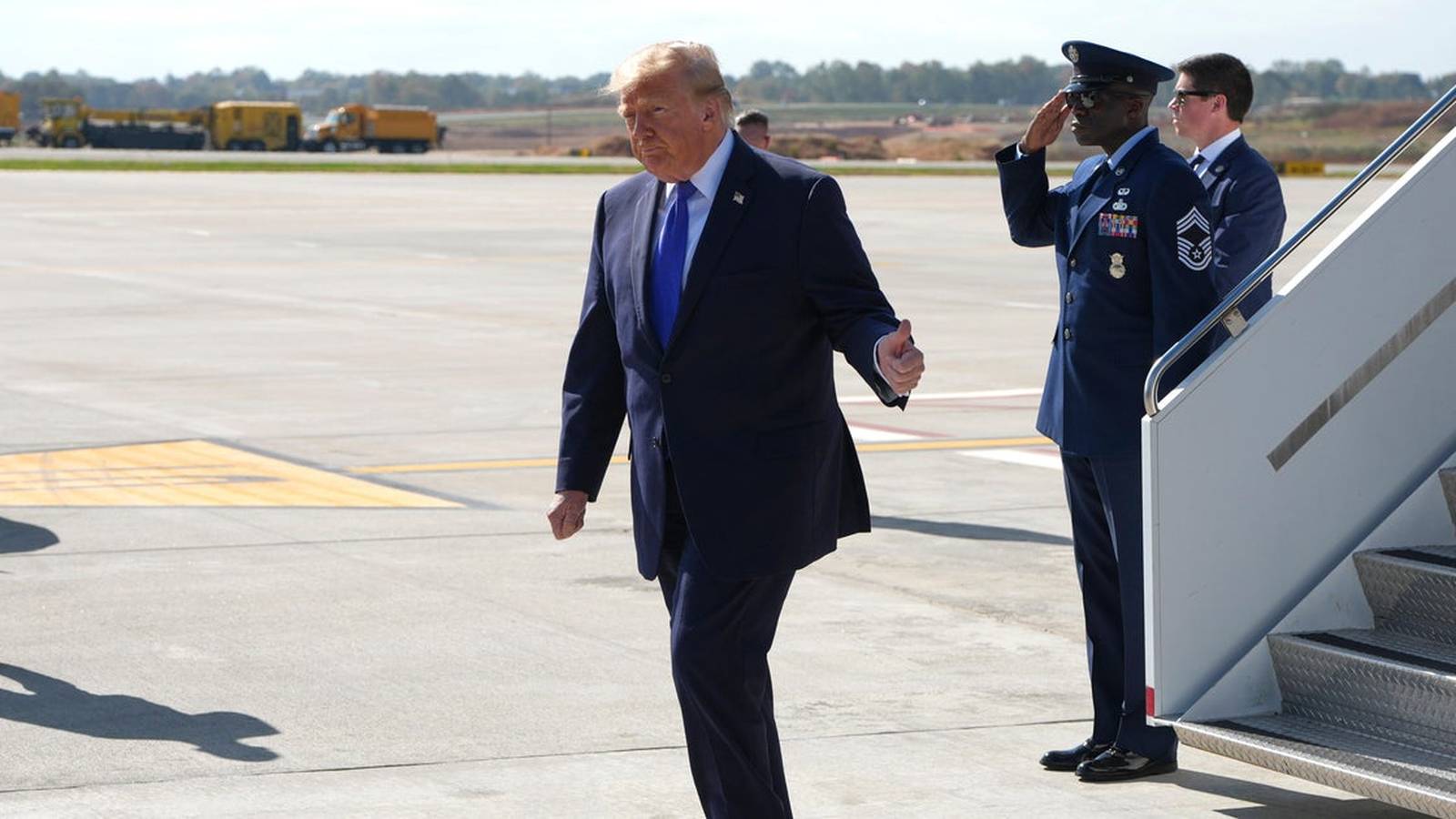
WASHINGTON (Azat TV) – With the 2026 midterm elections just four days away, political campaigns entered a high-stakes final stretch on October 30, 2026, as presidential travel schedules shifted and legal battles intensified over disputed ballot entries. President Donald Trump announced plans to travel to Florida for a physical rally in Daytona Beach while canceling planned weekend stops in Kansas and Iowa, opting instead for 19-state telerallies, according to live-update reporting published by CBS News. Republican National Committee officials indicated the weekend adjustments reflect confidence in the party’s positioning, even as high-profile contests nationwide face last-minute disruptions, legal challenges, and federal investigations.
In Alaska, Democratic Senate candidate Mary Peltola forcefully denied allegations that her campaign aided in recruiting a namesake candidate—Daniel J. Sullivan—to confuse voters on Election Day. Speaking to supporters in Juneau on Thursday, Peltola addressed the controversy directly. “I just want to clear the air. I knew nothing about any other candidates on the ballot except for me and the incumbent. That is all I have ever known about. I am not interested in tricking voters. I know I can beat Dan Sullivan,” she stated, as reported by CBS News. The controversy centers on whether Democratic operatives helped place a retired teacher from Petersburg, Alaska, with the same name on the ballot to siphon votes from Republican incumbent Senator Dan Sullivan.
Federal Investigations and Legal Threats
The ballot dispute has triggered severe legal and institutional ramifications. The Justice Department has issued new subpoenas in an ongoing criminal investigation into the candidate recruitment, while the Trump administration filed a lawsuit seeking to block certification of the Alaska Senate election if Senator Sullivan loses due to voter confusion. President Trump publicly demanded that both Peltola and the namesake candidate, Daniel J. Sullivan, be removed from the ballot and prosecuted. Meanwhile, Alaska Republican Governor Mike Dunleavy ordered a state-level investigation, noting publicly that the inquiry could impact whether a winning candidate is ultimately seated in the United States Senate.
A Peltola campaign spokesperson condemned the governor’s remarks as a direct threat to the democratic process, stating that the candidate “won’t be intimidated by Dunleavy, Sullivan, or any of their DC allies who are trying to steal this election from Alaskans before votes are counted.” Legal analysts note that a refusal by state authorities to certify election results could provoke an unprecedented floor fight in the U.S. Senate over seating the winning candidate when the new Congress convenes.
Campaign Trajectory and Battleground Dynamics
President Trump’s decision to forgo physical weekend rallies in the Midwest in favor of 19-state telerallies underscores an intense allocation of resources in the final days before November 3. While the Trump campaign consolidates support in states like Florida—where Republican Senator Ashley Moody defends her seat and Byron Donalds runs for governor—other high-profile races remain volatile. CBS News polling indicates Democrats maintain an edge in several competitive House districts, but control of the Senate hinges on razor-thin toss-up races in states including Maine, Ohio, and Texas.
Logistical preparations are simultaneously reaching critical milestones across the country. In Pennsylvania, Philadelphia Mayor Cherelle Parker and city commissioners guided media personnel through the city’s central election warehouse on Thursday to demonstrate security measures for mail-in and in-person ballots. Because Pennsylvania state law prohibits processing mail-in ballots prior to Election Day morning, thousands of ballots will remain locked behind secure cages until poll workers begin operating heavy-duty extraction machines at 7 a.m. on Tuesday, making Pennsylvania one of the slowest states to finalize tallies.
Strategic Realignment and Final Push
As campaigns make their closing arguments, localized events continue to shape voter turnout efforts. In Michigan, Democratic Senate candidate Abdul El-Sayed scheduled a joint Detroit appearance with Representative Haley Stevens for Sunday, marking a rare side-by-side event since their primary contest. Concurrently, Vice President JD Vance canceled a scheduled Friday press conference on fraud in St. Cloud, Minnesota, due to shifting campaign priorities. With early voting concluded in numerous jurisdictions and millions of ballots already cast, both parties are focusing entirely on ground-game turnout operations ahead of Tuesday’s decisive vote.